Dynamic Metabolic Control: Next-Gen Biosensor Design for Precision Medicine and Synthetic Biology
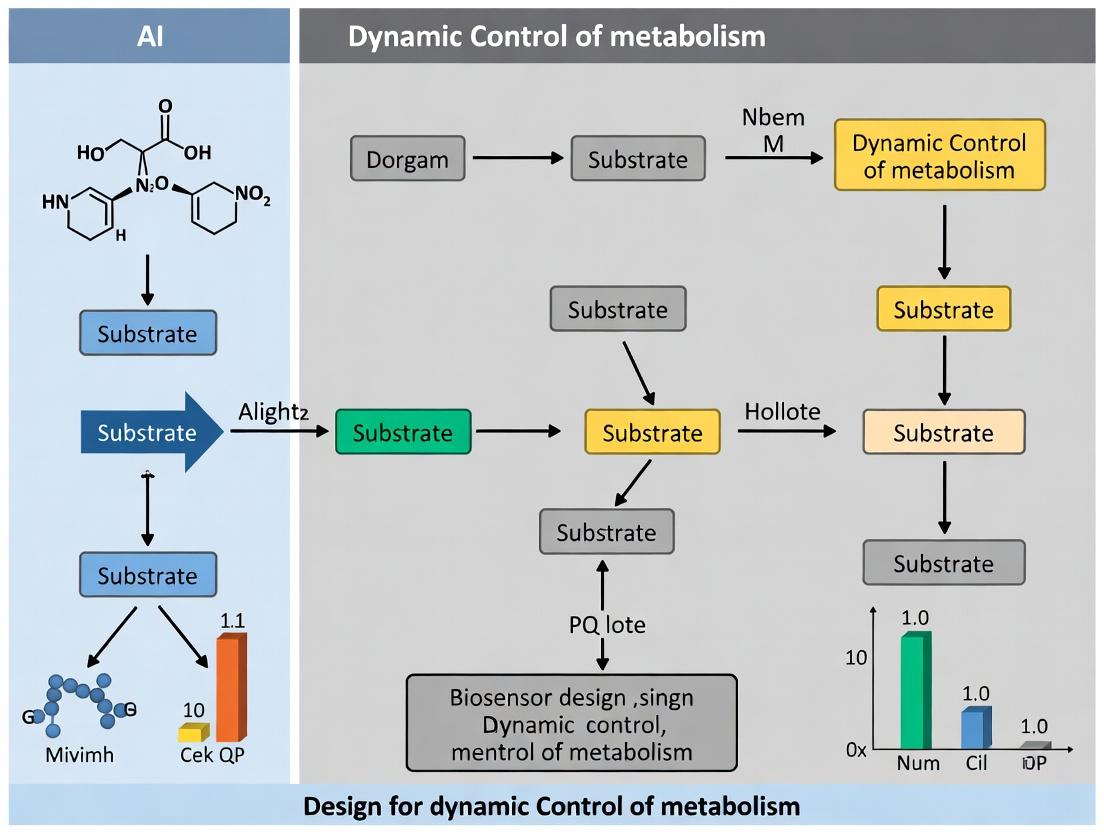
This comprehensive article explores the cutting-edge field of biosensor design for the dynamic, real-time control of cellular metabolism.
Dynamic Metabolic Control: Next-Gen Biosensor Design for Precision Medicine and Synthetic Biology
Abstract
This comprehensive article explores the cutting-edge field of biosensor design for the dynamic, real-time control of cellular metabolism. Aimed at researchers, scientists, and drug development professionals, it provides a foundational understanding of metabolic sensing principles, details innovative design methodologies and applications in synthetic biology and biomanufacturing, addresses common troubleshooting and optimization challenges, and validates these tools through comparative analysis with traditional methods. The article synthesizes key insights to highlight the transformative potential of these dynamic systems for advancing metabolic engineering, therapeutic development, and personalized medicine.
The Blueprint of Life's Switches: Foundational Principles of Metabolic Biosensors
Dynamic metabolic control represents a paradigm shift in metabolic engineering and systems biology, moving from static, constitutive genetic modifications to real-time, sensor-driven regulation of cellular pathways. This technical guide frames the core principles and methodologies within the context of a biosensor-enabled thesis for dynamic metabolic control research. The integration of genetically encoded biosensors with actuation modules (e.g., CRISPRi, transcription factors) forms the foundation for creating closed-loop control systems that can maintain homeostasis, drive production, or respond to disease states in living cells.
Core Principles: From Static to Dynamic
Static metabolic engineering relies on irreversible genetic knock-outs or constitutive overexpression, often leading to metabolic imbalances, reduced fitness, and suboptimal titers. Dynamic control introduces feedback, where a biosensor detects an intracellular metabolite and subsequently regulates the expression of pathway genes.
Table 1: Comparison of Static vs. Dynamic Metabolic Engineering
| Feature | Static Engineering | Dynamic Control |
|---|---|---|
| Regulation | Constitutive or Inducible (open-loop) | Feedback-based (closed-loop) |
| Temporal Resolution | Fixed, permanent | Real-time, tunable |
| Biosensor Role | Not essential or for screening only | Core component for sensing |
| Response to Perturbation | None or pre-programmed | Adaptive, autonomous |
| Metabolic Burden | Often high, continuous | Reduced, conditionally applied |
| Example Strategy | Promoter replacement, gene deletion | Biosensor-linked CRISPRi/a system |
Biosensor Architectures for Dynamic Control
Biosensors convert metabolite concentration into a quantifiable signal, typically fluorescence or transcriptional activation. Key architectures include:
- Transcription Factor (TF)-Based: Native or engineered TFs that bind metabolite and activate a promoter (e.g., FapR for fatty acids, BenM for aromatic compounds).
- RNA-Based: Riboswitches or aptazymes that undergo conformational change upon metabolite binding, regulating transcription or translation.
- FRET-Based: Forster Resonance Energy Transfer (FRET) sensors providing real-time, single-cell metabolite quantification.
Diagram 1: Core Dynamic Control Circuit Architecture
Key Experimental Protocols
Protocol: Characterizing Biosensor Response Function
Objective: Quantify the transfer function between metabolite input and sensor output (e.g., fluorescence). Materials: See "Scientist's Toolkit" below. Steps:
- Strain Preparation: Transform host strain (e.g., E. coli MG1655) with plasmid harboring the biosensor circuit.
- Induction Curve: In a 96-well plate, incubate cultures to mid-exponential phase (OD~600~ ≈ 0.5) under standard conditions.
- Metabolite Titration: Add a gradient of the target metabolite (0 μM to a saturating concentration, e.g., 1000 μM) to the cultures. Include a negative control (no metabolite).
- Kinetic Measurement: Incubate plate in a plate reader at 37°C with continuous shaking. Measure OD~600~ and sensor fluorescence (e.g., GFP: Ex 488 nm / Em 520 nm) every 10-15 minutes for 6-8 hours.
- Data Analysis: At a defined timepoint (e.g., early stationary phase), normalize fluorescence to OD~600~. Plot normalized output vs. metabolite concentration. Fit data to a Hill equation to extract dynamic range, EC~50~/K~d~, and cooperativity.
Protocol: Testing Dynamic Control in a Production Pathway
Objective: Validate that a biosensor-actuator system improves product titer/yield compared to static control. Steps:
- Strain Engineering: Construct two strains: (i) Test Strain: with dynamic circuit where biosensor regulates a key pathway enzyme via CRISPRi/a; (ii) Control Strain: with constitutively expressed enzyme.
- Fed-Batch Fermentation: Perform parallel fermentations in bioreactors with controlled pH, DO, and feeding.
- Sampling: Take hourly samples for 24-48 hours. Measure: OD~600~ (biomass), extracellular metabolite/product (via HPLC/MS), and sensor fluorescence (flow cytometry).
- Analysis: Compare time-course profiles of product titer, yield on substrate, and biomass. The dynamic control strain should show reduced metabolic burden early on and increased production upon metabolite accumulation.
Table 2: Example Quantitative Outcomes from Dynamic Control Experiments
| Parameter | Static Control Strain | Dynamic Control Strain | Improvement Factor | Measurement Method |
|---|---|---|---|---|
| Max Product Titer (g/L) | 4.2 ± 0.3 | 6.8 ± 0.4 | 1.62x | HPLC |
| Yield on Glucose (g/g) | 0.21 ± 0.02 | 0.33 ± 0.03 | 1.57x | Calculated from HPLC |
| Final Biomass (OD~600~) | 45.1 ± 2.1 | 52.5 ± 2.8 | 1.16x | Spectrophotometry |
| Sensor Activation Threshold (μM) | N/A | 50.2 ± 5.1 | N/A | Flow Cytometry & LC-MS |
| Time to Peak Production (h) | 18 | 24 | Delayed, sustained | Time-course sampling |
Integrated Workflow for System Design
Diagram 2: Dynamic Control System Development Workflow
The Scientist's Toolkit: Key Research Reagent Solutions
Table 3: Essential Materials for Dynamic Metabolic Control Research
| Item | Function/Description | Example Product/Catalog |
|---|---|---|
| Broad-Host-Range Cloning Vectors | Modular plasmid backbones for part assembly (promoter, sensor, actuator). | pSEVA series, pBb series |
| Transcriptional Activator/Repressor Libraries | Source of sensor/actuator proteins (e.g., AraC, LuxR, TetR variants). | Anderson promoter collection, Tet-On system |
| CRISPRa/i Components | For precise transcriptional control; dCas9 protein and sgRNA scaffolds. | dCas9-ω, dCas9-SoxS, MS2-sgRNA fusions |
| Fluorescent Reporter Proteins | For biosensor output and circuit characterization (e.g., GFP, mCherry). | sfGFP, mScarlet, YPet |
| Metabolite Standards | For sensor calibration and analytical quantification. | Sigma-Aldrich chemical standards |
| Microfluidic Platforms | For single-cell, real-time sensor characterization and sorting. | CellASIC ONIX2, Mother Machine devices |
| RNA-seq/Kinetics Kits | To analyze global transcriptional responses to dynamic perturbations. | Illumina Stranded mRNA, SLAM-seq |
| Inducible Metabolite Precursors | To create precise intracellular metabolite pulses (e.g., esterified forms). | Ethyl-acetate derivatives, caged compounds |
Pathway-Specific Application Diagram
Diagram 3: Dynamic Control in a Central Metabolic Node (e.g., Acetyl-CoA)
Future Directions & Challenges
The field is advancing towards multi-input biosensors, fully autonomous closed-loop control in bioreactors, and clinical applications such as dynamically regulated cell therapies. Key challenges remain in sensor specificity, response latency, and portability across host organisms. The integration of machine learning for model-predictive control and the development of novel, non-invasive sensor modalities are critical for the next generation of dynamic metabolic control systems.
The design of biosensors for the dynamic control of metabolism represents a frontier in synthetic biology and metabolic engineering. This whitepaper, framed within a broader thesis on biosensor design, details the core architectural components—Receptor, Transducer, and Actuator—that enable real-time monitoring and regulation of metabolic states. These domains function as an integrated system to convert chemical information into actionable genetic outputs, facilitating closed-loop control in research and therapeutic development.
Domain Architectures and Functions
Receptor Domain
The receptor is the input module, specifically recognizing a target ligand (metabolite). It is typically derived from natural or engineered proteins.
- Transcription Factor-Based: Allosteric proteins that change conformation upon ligand binding (e.g., FapR for malonyl-CoA, TtgR for flavonoids).
- RNA-Based: Aptamer domains in riboswitches or toehold switches that undergo structural rearrangement upon ligand binding (e.g., theophylline, TPP aptamers).
- Protein-Based (Non-TF): Enzymes or periplasmic binding proteins that relay ligand occupancy via post-translational modification or protein-protein interactions.
Transducer Domain
The transducer converts the ligand-binding event into a standardized cellular signal. This is the core signal-processing unit.
- Transcriptional: Altered DNA binding affinity of a transcription factor modulates promoter activity.
- Translational: Riboswitch structural changes control ribosomal access to the Shine-Dalgarno sequence.
- Post-Translational: Ligand binding triggers phosphorylation cascades (e.g., two-component systems) or protein-protein dissociation.
Actuator Domain
The actuator produces the functional output, translating the processed signal into a change in cellular phenotype.
- Reporter: Fluorescent proteins (GFP, mCherry) or enzymes (luciferase) for quantification and screening.
- Regulator: Expression of a transcription factor or sgRNA to rewire endogenous gene networks.
- Metabolic: Expression of a rate-limiting enzyme to dynamically control flux through a biosynthetic pathway.
Quantitative Performance Metrics of Modern Metabolic Biosensors
Performance is quantified by key parameters essential for robust dynamic control.
Table 1: Key Performance Metrics for Metabolic Biosensor Domains
| Metric | Definition | Typical Range/Value | Impact on System Control |
|---|---|---|---|
| Dynamic Range | Ratio of output signal in the "ON" vs. "OFF" state. | 10-fold to >1000-fold | Determines signal-to-noise and control resolution. |
| Sensitivity (EC₅₀/Kₐ) | Ligand concentration for half-maximal activation/binding. | nM to mM range | Sets the operational window for metabolite detection. |
| Specificity | Discrimination against structurally similar molecules. | Measured as fold-activation ratio. | Prevents crosstalk and off-target control. |
| Response Time | Time to reach 50% of maximal output after ligand addition. | Minutes to hours (cell-dependent) | Limits bandwidth for dynamic feedback. |
| Orthogonality | Minimal interference with host native systems. | Critical for in vivo application. | Ensures biosensor operates independently. |
Table 2: Examples of Characterized Metabolic Biosensors (2020-2024)
| Target Metabolite | Receptor Type | Dynamic Range | EC₅₀ / Kₐ | Reference (Example) |
|---|---|---|---|---|
| Malonyl-CoA | FapR (E. coli TF) | ~45-fold | ~20 µM | Liu et al., ACS Synth. Biol. 2021 |
| Succinate/Dicarboxylates | DctB/DctD (Two-Component) | ~80-fold | ~10 µM (for succinate) | Zhang et al., Metab. Eng. 2022 |
| Theophylline | Synthetic RNA Aptamer | ~400-fold | ~0.5 µM | Wagner et al., Nucleic Acids Res. 2023 |
| L-Lysine | Lrp-based TF (E. coli) | ~25-fold | ~1.5 mM | Chen et al., Nat. Commun. 2023 |
| Acetyl-Phosphate | Two-Component System (NtrB/NtrC) | ~15-fold | Not Determined | Hu et al., Cell Syst. 2024 |
Experimental Protocols for Biosensor Characterization
Protocol 4.1: Characterization of Dose-ResponseIn Vivo
Objective: Determine the dynamic range, sensitivity (EC₅₀), and hill coefficient of a transcription factor-based biosensor. Materials: See "The Scientist's Toolkit" below. Method:
- Strain & Culture: Transform the plasmid-borne biosensor (receptor-transducer linked to fluorescent actuator) into the host strain. Prepare biological triplicates.
- Induction: Inoculate cultures in minimal medium in a 96-deep well plate. Grow to mid-exponential phase (OD₆₀₀ ~0.5).
- Ligand Titration: Add a serial dilution of the target metabolite across a concentration range spanning predicted EC₅₀ (e.g., 1 nM to 100 mM). Include a no-ligand control.
- Incubation & Measurement: Incubate with shaking for a fixed period (e.g., 6-8 hours or until stationary phase). Measure OD₆₀₀ and fluorescence (e.g., GFP: Ex/Em 488/510 nm) using a plate reader.
- Data Analysis: Normalize fluorescence to OD₆₀₀. Plot normalized output vs. ligand concentration on a log scale. Fit data to a 4-parameter Hill equation using software (e.g., Prism, Python) to extract EC₅₀, Hill coefficient, and maximal fold-induction (dynamic range).
Protocol 4.2: Assessing Response Kinetics via Time-Lapse Fluorescence
Objective: Measure the response time and temporal profile of biosensor activation. Method:
- Setup: Grow biosensor strain in a microtiter plate or culturing device compatible with a plate reader or automated microscope.
- Perturbation: At time zero, add a single saturating concentration of ligand (e.g., 10x EC₅₀). For negative control, add buffer only.
- Continuous Monitoring: Place the plate in a controlled environment (37°C, shaking if possible). Program the instrument to take OD₆₀₀ and fluorescence readings every 10-15 minutes for 8-12 hours.
- Analysis: Generate kinetic curves of fluorescence/OD over time. The response time (t₅₀) is calculated as the time point at which the signal reaches 50% of its final maximum plateau value.
Protocol 4.3:In VitroValidation of Receptor-Ligand Interaction (SPR)
Objective: Confirm direct binding and quantify affinity (KD) of purified receptor domain to ligand. Method:
- Protein Purification: Express and purify the receptor domain (e.g., transcription factor) with an affinity tag (His6, GST).
- Surface Preparation: Immobilize the purified protein onto a CM5 sensor chip via amine coupling.
- Ligand Injection: Flow increasing concentrations of the target metabolite (analyte) in HBS-EP buffer over the chip surface at a constant flow rate.
- Data Processing: Record association and dissociation phases in real-time. Subtract responses from a reference flow cell. Fit the resulting sensograms to a 1:1 Langmuir binding model using the instrument's software (e.g., Biacore Evaluation Software) to determine the kinetic constants (kon, koff) and equilibrium dissociation constant (KD = koff/kon).
Visualization of Core Concepts
Metabolic Biosensor Core Domain Architecture
TF-Based Signal Transduction Mechanism
Workflow for Characterizing Biosensor Dose-Response
The Scientist's Toolkit
Table 3: Key Research Reagent Solutions for Metabolic Biosensor Development
| Category | Item | Function & Application |
|---|---|---|
| Molecular Cloning | Modular Plasmid Backbones (e.g., pET, pBAD, BioBricks) | Standardized vectors for assembling receptor, transducer, and actuator parts. |
| Gibson Assembly/Type IIS Restriction Enzyme Master Mix | Enables seamless, scarless assembly of multiple DNA parts. | |
| Host Strains | E. coli MG1655 or DH10B (Wild-type background) | Prototype testing in a well-characterized genetic background. |
| Metabolite-Auxotrophic or Overproducer Strains | Provides relevant intracellular ligand concentrations for testing. | |
| Ligands & Assays | Pure Target Metabolite (e.g., Succinate, Malonyl-CoA) | Used for exogenous titration in dose-response experiments. |
| Fluorescent Protein Variants (sfGFP, mScarlet-I) | High-stability, bright actuators for quantitative readouts. | |
| Luciferase Reporters (NanoLuc) | Ultra-sensitive, ATP-dependent alternative to fluorescence. | |
| Cell Culture & Analysis | 96-Well Deep Well & Assay Plates | High-throughput culture and ligand screening. |
| Microplate Reader with Gas Control | Measures OD and fluorescence/ luminescence kinetically. | |
| Protein Analysis | HisTrap or GSTrap FF Crude Columns | For rapid purification of receptor domains for in vitro assays. |
| Surface Plasmon Resonance (SPR) Chip (e.g., CM5) | Immobilizes protein to measure ligand-binding kinetics (KD). | |
| Software | Python (SciPy, NumPy) / MATLAB / GraphPad Prism | For curve fitting (Hill equation) and data visualization. |
| DNA Design Software (SnapGene, Benchling) | For designing genetic constructs and managing parts libraries. |
Key Signaling Molecules and Metabolites as Primary Biosensor Targets (e.g., ATP, NADH, Glycolytic Intermediates)
Within the framework of a broader thesis on biosensor design for the dynamic control of metabolism, the selection of primary molecular targets is paramount. Intracellular signaling molecules and core metabolites represent the fundamental language of cellular state, governing energy production, redox balance, biosynthetic capacity, and signal transduction. This whitepaper provides an in-depth technical guide to the principal biosensor targets—ATP, NAD(P)H, and glycolytic intermediates—detailing their biological context, quantitative dynamics, current sensing methodologies, and experimental protocols. The development of genetically encoded biosensors for these analytes enables real-time, spatially resolved observation and manipulation of metabolic fluxes, which is critical for advanced research in systems biology, metabolic engineering, and drug discovery.
Core Target Molecules: Biological Roles & Quantitative Dynamics
The following tables summarize the key characteristics and physiological concentrations of primary biosensor targets.
Table 1: Core Signaling Molecules & Metabolites as Biosensor Targets
| Target Molecule | Primary Biological Role | Key Compartment(s) | Approx. Physiological Concentration Range | Significance for Biosensing |
|---|---|---|---|---|
| ATP | Universal energy currency, phosphorylation donor | Cytosol, Mitochondria, Nucleus | 1-10 mM (cytosol); ~5-10 mM (mitochondria) | Direct readout of cellular energy status and metabolic activity. |
| NADH / NADPH | Redox cofactors, electron carriers | Cytosol (NADH/NADPH), Mitochondria (NADH) | NADH: 10-100 µM (cytosol), 0.1-1 mM (mito); NADPH: ~10-50 µM (cytosol) | Indicators of glycolytic/TCA flux (NADH) and reductive biosynthetic capacity/oxidative stress (NADPH). |
| Glucose-6-Phosphate (G6P) | First committed glycolytic intermediate, pentose phosphate pathway entry | Cytosol | 0.05-0.2 mM | Node for carbon distribution; signals glucose uptake and metabolic commitment. |
| Pyruvate | Glycolytic end product, TCA cycle & fermentation substrate | Cytosol, Mitochondria | 0.05-0.2 mM (cytosol) | Integrator of glycolytic output and mitochondrial input; hypoxic switch. |
| Lactate | Anaerobic glycolytic end product, signaling molecule | Cytosol, Extracellular | 0.5-5 mM (can vary widely) | Indicator of glycolytic rate, Warburg effect, and intercellular signaling. |
| Acetyl-CoA | Central metabolite for TCA, fatty acid synthesis, acetylation | Mitochondria, Cytosol/Nucleus | Mitochondrial: ~0.5-1 mM; Cytosolic: lower | Integrates carbon metabolism with energy production, biosynthesis, and epigenetics. |
| cAMP | Secondary messenger for hormone signaling (e.g., glucagon, epinephrine) | Cytosol, Microdomains | Basal: ~0.1-1 µM; Stimulated: 1-10 µM | Readout of GPCR activity and PKA signaling; central to metabolic regulation. |
Table 2: Representative Genetically Encoded Biosensors for Key Targets
| Biosensor Name | Target | Detection Principle | Dynamic Range (Reported) | Excitation/Emission (nm) | Key Reference (Example) |
|---|---|---|---|---|---|
| ATeam | ATP | FRET (ε subunit of FoF1-ATP synthase & γ subunit) | ~1-10 mM (Kd) | Donor: 435; Acceptor: 525/475 | Imamura et al., 2009 |
| PercevalHR | ATP/ADP Ratio | Single FP, cpGFP-based | Ratio change: ~3-5 fold | Ex: 420/500; Em: 515 | Tantama et al., 2013 |
| SoNar | NADH/NAD+ Ratio | cpYFP-based | ~10-fold fluorescence increase | Ex: 420/485; Em: 530 | Zhao et al., 2015 |
| iNAP | NADPH | Single FP, circularly permuted | Kd ~12 µM | Ex: 435; Em: 485/535 | Zhao & Yang, 2020 |
| Pyronic | Pyruvate | FRET (PyrPB & cpVenus) | Kd ~0.3 mM | Donor: 435; Acceptor: 535 | San Martín et al., 2013 |
| Laconic | Lactate | FRET (LldR & cpCitrine) | Kd ~0.35 mM | Donor: 435; Acceptor: 535 | San Martín et al., 2014 |
| G6P-Snifit | Glucose-6-Phosphate | Synthetic ligand-assisted (SNAP-tag based) | -- | -- | Takanishi et al., 2017 |
| cAMP (Epac-based) | cAMP | FRET (Epac domain swap) | Sub-µM sensitivity | Varies (e.g., CFP/YFP) | Nikolaev et al., 2004 |
Experimental Protocols for Biosensor Validation & Use
Protocol 1: Calibration of Rationetric Biosensors (e.g., ATeam, Pyronic) in Live Cells
Objective: To convert fluorescence ratio (e.g., YFP/CFP) into absolute cytosolic metabolite concentration. Materials: Cell line expressing biosensor, calibration buffer, ionophores/inhibitors, fluorescence microscope or plate reader. Procedure:
- Culture & Plate: Culture cells stably or transiently expressing the biosensor. Plate on appropriate imaging dishes 24-48 hours prior.
- Establish Minimum Ratio (Rmin):
- Prepare "depleting buffer": e.g., Glucose-free medium with 10 mM 2-deoxyglucose (glycolysis inhibitor) and 5 µM oligomycin (ATP synthase inhibitor) for ATeam.
- Incubate cells for 30-60 min at 37°C to fully deplete ATP.
- Acquire donor (CFP) and acceptor (YFP) channel images.
- Calculate ratio (YFP/CFP) = Rmin.
- Establish Maximum Ratio (Rmax):
- Prepare "saturating buffer": For ATP sensors, use buffer containing glucose and 10 mM sodium azide (inhibits respiration, forces glycolytic ATP production). Incubate 30 min.
- Acquire images and calculate ratio = Rmax.
- In-Situ Calibration: The apparent dissociation constant (Kd') is calculated. Metabolite concentration [M] = Kd' * ((R - Rmin)/(Rmax - R)). Kd' is sensor-specific and must be determined in vivo using complementary techniques (e.g., pharmacological clamping).
Protocol 2: Real-Time Imaging of Glycolytic Dynamics with Pyronic & Lactonic
Objective: To monitor cytosolic pyruvate and lactate flux in response to metabolic perturbation. Materials: Cells co-expressing Pyronic and Lactonic (or separate), confocal/widefield microscope, perfusion system, pharmacological agents. Procedure:
- Imaging Setup: Use a microscope equipped with environmental control (37°C, 5% CO2). Use appropriate filter sets for CFP excitation/donor emission and YFP excitation/acceptor emission for FRET sensors.
- Baseline Acquisition: Perfuse cells with standard imaging medium (e.g., Hanks' Balanced Salt Solution + 5 mM glucose). Acquire time-lapse images every 30 seconds for 5-10 minutes to establish baseline ratios.
- Perturbation: Switch perfusion to medium with:
- a) 10 mM Glucose → 0 mM Glucose (to observe depletion).
- b) 1 µM Rotenone/Antimycin A (inhibit ETC, expect pyruvate increase, then lactate accumulation).
- c) 100 nM Insulin (in certain cell types, to stimulate glucose uptake and pyruvate production).
- Data Analysis: For each time point, calculate the FRET ratio (Acceptor emission / Donor emission after background subtraction). Normalize to the initial baseline ratio (F/F0). Plot normalized ratio vs. time.
Visualization of Pathways & Experimental Logic
Title: Core Metabolic Pathway with Key Sensor Targets
Title: Workflow for Live-Cell Metabolite Imaging
The Scientist's Toolkit: Essential Research Reagent Solutions
Table 3: Key Reagents for Biosensor-Based Metabolic Experiments
| Reagent / Material | Function / Role | Example Product / Specification |
|---|---|---|
| Genetically Encoded Biosensor Plasmids | DNA vector encoding the sensor protein (e.g., ATeam, SoNar). Essential for expression in target cells. | Addgene catalog numbers (e.g., ATeam1.03 #51958, SoNar #20070). |
| Polyethylenimine (PEI) or Lipofectamine | Transfection reagent for delivering biosensor plasmid DNA into mammalian cells. | Lipofectamine 3000 (Thermo Fisher), linear PEI (Polysciences). |
| Cell Culture Medium (No Phenol Red) | For live-cell imaging to minimize background autofluorescence. | DMEM, no phenol red, with 10% FBS. |
| Metabolic Modulators (Small Molecules) | Pharmacologically clamp or perturb metabolite levels for calibration and experiments. | Oligomycin (ATP synthase inhibitor), Rotenone (Complex I inhibitor), 2-DG (glycolysis inhibitor), Forskolin (adenylyl cyclase activator). |
| Calibration Buffers | Chemically defined media to set Rmin and Rmax for in-situ calibration. | Custom buffers with ionophores (e.g., nigericin) and metabolic inhibitors. |
| Matrigel / Fibronectin | Extracellular matrix coating for improved cell adhesion and physiological relevance during imaging. | Corning Matrigel, human fibronectin. |
| Glass-Bottom Imaging Dishes | Provide optimal optical clarity for high-resolution fluorescence microscopy. | 35 mm dish, No. 1.5 coverslip (0.16-0.19 mm thickness). |
| Environmental Chamber | Maintains live cells at 37°C and 5% CO2 during microscope experiments. | Stage-top incubator (e.g., Okolab, Tokai Hit). |
| Image Analysis Software | For processing time-lapse images, calculating ratios, and generating quantifications. | Fiji/ImageJ with Ratio Plus plugin, or commercial software (MetaMorph, NIS-Elements). |
This whitepaper details the application of two foundational prokaryotic control mechanisms—allosteric regulation and two-component systems (TCSs)—in the design of next-generation biosensors for dynamic metabolic control. These natural paradigms offer exquisite specificity, rapid signal transduction, and modular architecture, making them ideal blueprints for engineering responsive circuits in synthetic biology and metabolic engineering.
The central thesis posits that robust, dynamic control of engineered metabolic pathways requires biosensors that translate intracellular metabolite concentrations into precise transcriptional or post-translational responses. Prokaryotic allostery and TCSs provide evolutionarily optimized templates for this function, enabling real-time feedback control, pathway optimization, and production titrating in biomanufacturing and therapeutic development.
Core Mechanisms & Quantitative Data
Allosteric Regulation
Allosteric effectors bind regulatory sites on proteins, inducing conformational changes that modulate activity. Key parameters for biosensor design include dissociation constant (Kd), Hill coefficient (n), and dynamic range.
Table 1: Characteristics of Model Allosteric Transcription Factors
| Transcription Factor | Effector (Source) | Approx. Kd (µM) | Hill Coefficient (n) | Dynamic Range (Fold Induction) | Reference Organism |
|---|---|---|---|---|---|
| FapR | Malonyl-CoA | 1.2 - 3.5 | ~2.0 | 8 - 15 | Bacillus subtilis |
| GlnR | Glutamine | 15 - 30 | 1.5 - 2.0 | 5 - 10 | B. subtilis |
| TrpR | Tryptophan | 0.1 - 1.0 | ~1.0 | 20 - 50 | Escherichia coli |
| MalI | Maltotriose | 0.5 - 2.0 | ~1.8 | 25 - 40 | E. coli |
Two-Component Systems (TCSs)
TCSs comprise a sensor Histidine Kinase (HK) and a cognate Response Regulator (RR). Signal perception triggers autophosphorylation of the HK, followed by phosphotransfer to the RR, altering its output activity (typically DNA binding).
Table 2: Performance Metrics of Engineered TCS-Based Biosensors
| TCS (Original Organism) | Primary Signal | Response Time (min) | Phosphotransfer Half-life (s) | Output Dynamic Range | Engineered Application |
|---|---|---|---|---|---|
| EnvZ/OmpR (E. coli) | Osmolarity | 1 - 5 | ~15 | ~100x | Theophylline biosensor |
| DcuS/DcuR (E. coli) | C4-dicarboxylates | 3 - 10 | ~45 | 50 - 80x | Succinate biosensor |
| PhoR/PhoB (E. coli) | Inorganic Phosphate (Pi) | 5 - 15 | ~30 | >200x | Phosphate-regulated expression |
| NtrB/NtrC (E. coli) | Nitrogen availability | 2 - 8 | ~20 | ~60x | Glutamine/α-ketoglutarate biosensor |
Experimental Protocols
Protocol: In Vitro Characterization of Allosteric Transcription Factor Parameters
Objective: Determine the Kd, Hill coefficient, and dynamic range of an allosteric transcription factor for its effector. Materials: See "The Scientist's Toolkit" below. Procedure:
- Protein Purification: Express the His-tagged transcription factor in E. coli BL21(DE3). Purify via Ni-NTA affinity chromatography, followed by size-exclusion chromatography.
- Fluorescence Polarization (FP) Assay for Kd:
- Label the target DNA operator sequence with a 5'-fluorophore (e.g., FAM).
- In a 96-well plate, titrate the purified protein (0-100 µM) into a fixed concentration of labeled DNA (10 nM) in binding buffer (20 mM Tris-HCl pH 7.5, 150 mM KCl, 5 mM MgCl2, 0.01% Triton X-100).
- Incubate for 30 min at 25°C, protected from light.
- Measure fluorescence polarization (mP units). Fit the binding curve to a quadratic equation to determine the apparent Kd for DNA.
- Repeat the titration in the presence of varying, fixed concentrations of the effector molecule. Plot the shift in apparent Kd versus effector concentration to derive the Kd for the effector.
- In Vitro Transcription-Translation (IVTT) Assay for Dynamic Range:
- Clone the TF's operator/promoter sequence upstream of a reporter gene (e.g., sfGFP) in a plasmid.
- Use a commercial cell-free expression system. Supplement reactions with a range of effector concentrations (e.g., 0 µM to 1 mM).
- Incubate at 30°C for 4-6 hours.
- Measure reporter fluorescence (Ex/Em: 485/510 nm). Normalize to a no-effector control. Fit the dose-response data to the Hill equation to determine the Hill coefficient (n) and effective concentration (EC50).
Protocol: Rewiring a TCS for a Novel Input Signal
Objective: Engineer the sensor domain of a Histidine Kinase to respond to a target metabolite. Materials: See "The Scientist's Toolkit." Procedure:
- Domain Analysis & Design: Identify the periplasmic/sensor domain of the target HK (e.g., DcuS) via sequence alignment and structural data. Design a library of sensor domain variants by either:
- Random Mutagenesis: Error-prone PCR on the sensor domain-encoding sequence.
- Rational Design: Grafting putative binding pockets from known solute-binding proteins onto the HK sensor domain via overlap extension PCR.
- Library Construction & Screening:
- Clone the variant library into a plasmid expressing the HK under a constitutive promoter. Co-transform with a reporter plasmid containing the RR-regulated promoter driving sfGFP.
- Plate transformants on agar plates with/without the target metabolite. Pick colonies for liquid culture assay.
- Grow variants in 96-deep well plates in media +/- the target metabolite. After 6-8 hours, measure OD600 and GFP fluorescence.
- Calculate the activation ratio (Fluorescence/OD [+effector] ÷ Fluorescence/OD [-effector]). Select hits with the highest activation ratios and lowest leakiness.
- Phosphotransfer Validation:
- Purify the wild-type and engineered HKs (soluble cytoplasmic kinase domains) and the RR.
- Perform an in vitro kinase assay in reaction buffer (50 mM Tris-HCl pH 7.5, 50 mM KCl, 10 mM MgCl2) with 5 mM ATP spiked with [γ-³²P]ATP.
- Incubate HK ± effector for 5 min, then add RR. Take samples at time points (e.g., 0, 15, 30, 60, 120s), quench with SDS-PAGE loading buffer.
- Resolve proteins via SDS-PAGE, visualize phosphorylated bands using a phosphorimager. Quantify signal to confirm effector-dependent phosphotransfer enhancement.
Pathway & Workflow Visualizations
Title: Allosteric Transcription Factor Activation Mechanism
Title: Two-Component System Phosphorelay Signaling
Title: Biosensor Design and Engineering Workflow
The Scientist's Toolkit: Research Reagent Solutions
Table 3: Essential Materials for Prototype Development
| Reagent/Material | Supplier Examples | Function in Experiment |
|---|---|---|
| HisTrap HP Columns | Cytiva | Affinity purification of His-tagged transcription factors and kinase domains. |
| Cell-Free Protein Synthesis System (Proteios) | Thermo Fisher Scientific | For in vitro characterization of TF-effector interactions and dynamic range (IVTT). |
| Fluorescein (FAM)-labeled Oligonucleotides | IDT | DNA probe for Fluorescence Polarization assays to determine binding constants (Kd). |
| [γ-³²P]ATP (6000 Ci/mmol) | PerkinElmer | Radioactive tracer for in vitro phosphotransfer assays to validate TCS activity. |
| Phusion High-Fidelity DNA Polymerase | NEB | Error-free amplification for cloning and rational construction of sensor domain variants. |
| GeneMorph II Random Mutagenesis Kit | Agilent Technologies | Controlled random mutagenesis for creating diversity in HK sensor domains. |
| 96-well Deep Well Plates (2.2 mL) | Greiner Bio-One | High-throughput cultivation for screening TCS variant libraries. |
| Microplate Reader (Spark) | Tecan | Simultaneous measurement of OD600 and GFP fluorescence for high-throughput biosensor screening. |
The precise, dynamic control of metabolism is a cornerstone of modern metabolic engineering, synthetic biology, and drug discovery. Within this broader thesis, biosensors serve as the critical interface, converting intracellular metabolic states into quantifiable signals. Two dominant architectural paradigms have emerged: Transcription Factor (TF)-Based Biosensors and Protein-Based Förster Resonance Energy Transfer (FRET) Biosensors. This primer provides an in-depth technical comparison of their design principles, performance characteristics, and implementation, guiding researchers in selecting the optimal architecture for probing metabolic dynamics.
Core Architectural Principles
Transcription Factor-Based Biosensors
These are genetically encoded systems that leverage natural or engineered allosteric transcription factors. Upon binding a target ligand (metabolite), the TF undergoes a conformational change that modulates its affinity for a specific DNA promoter sequence, thereby regulating the transcription of a downstream reporter gene (e.g., GFP, enzymatic reporters). The output is an amplified, but temporally delayed, fluorescence or colorimetric signal.
Protein-Based FRET Biosensors
These are single-polypeptide or tandem fusion protein constructs where ligand binding induces a conformational change that alters the distance or orientation between two fluorophores (donor and acceptor). This change modulates the efficiency of FRET, resulting in a ratiometric shift in emission spectra. The output is a direct, rapid readout of ligand concentration or activity.
Quantitative Performance Comparison
Table 1: Comparative Performance Characteristics of Biosensor Architectures
| Parameter | TF-Based Biosensors | Protein-Based FRET Biosensors |
|---|---|---|
| Response Time | Slow (minutes to hours). Limited by transcription, translation, and reporter maturation. | Fast (sub-second to minutes). Limited by ligand binding kinetics and conformational change. |
| Signal Amplification | High. Transcriptional cascades can produce thousands of reporter molecules per binding event. | None or minimal. Signal is stoichiometric with the biosensor molecule. |
| Dynamic Range | Typically high (>100-fold). Can be tuned via promoter/operator engineering. | Moderate (often 1.5- to 5-fold ratio change). Requires careful optimization of linkers and fluorophore pairs. |
| Cellular Context | Primarily used in vivo. Can be integrated into genetic circuits for metabolic control. | Used in vitro, in vivo, and in single cells. Excellent for subcellular compartment imaging. |
| Ease of Engineering | Modular but complex. Requires balancing TF expression, ligand affinity, and promoter specificity. | Complex protein engineering. Requires optimization of sensing domain, linkers, and fluorophores. |
| Key Metrics | EC50/KD, Fold Induction, Response Time, Specificity. | KD, ΔR/R (ratio change), Response/Relaxation Kinetics, Photostability. |
| Primary Application | Dynamic regulation in metabolic pathways, high-throughput screening, evolution of enzymes/pathways. | Real-time imaging of metabolite flux, kinase activity, second messengers, and signaling dynamics. |
Experimental Protocols
Protocol for Characterizing a TF-Based Biosensor inE. coli
Objective: Determine the dose-response curve (EC50) and dynamic range to a target metabolite. Key Steps:
- Strain Construction: Clone the TF expression cassette and its cognate promoter driving a reporter gene (e.g., sfGFP) into a plasmid. Transform into a host strain with controlled metabolic background.
- Culture & Induction: Grow overnight cultures in defined medium. Dilute into a 96-well deep-well plate with varying concentrations of the target metabolite (e.g., 0 μM to 10 mM). Include negative controls (no metabolite, empty vector).
- Incubation & Measurement: Incubate with shaking at optimal growth temperature for a defined period (e.g., 6-18 hours). Measure optical density (OD600) and fluorescence (ex/em for GFP) using a plate reader.
- Data Analysis: Normalize fluorescence to OD600. Plot normalized fluorescence vs. metabolite concentration (log scale). Fit data to a sigmoidal (Hill) equation to extract EC50 and fold induction (max/min).
Protocol for Live-Cell FRET Imaging of a Metabolic Biosensor
Objective: Monitor real-time changes in metabolite levels in single mammalian cells. Key Steps:
- Biosensor Expression: Transfect cells (e.g., HEK293) with plasmid encoding the FRET biosensor (e.g., a glucose biosensor like FLII12Pglu-700μδ6). Use a transfection method suitable for imaging (e.g., lipofection, electroporation).
- Sample Preparation: 24-48 hours post-transfection, plate cells on glass-bottom imaging dishes in appropriate growth medium.
- Microscope Setup: Use an inverted epifluorescence or confocal microscope equipped with:
- A 440 nm laser/lamp for CFP excitation.
- Dual emission filters: 470/30 nm for donor (CFP) emission and 535/30 nm for acceptor (FRET) emission.
- A 40x or 60x oil-immersion objective.
- Environmental control (37°C, 5% CO2).
- Image Acquisition: Acquire time-lapse images of both donor and FRET channels at 30-second to 2-minute intervals. After establishing a baseline (2-5 frames), perfuse with medium containing the stimulus (e.g., high glucose, pharmacological inhibitor).
- Image Analysis: Use software (e.g., ImageJ/Fiji, MetaMorph) to define regions of interest (ROIs) for individual cells. Calculate background-subtracted intensity for each channel over time. Compute the FRET ratio (FRET channel intensity / Donor channel intensity) for each time point. Plot ratio over time.
Visualization of Architectures and Workflows
Title: TF Biosensor Signal Transduction Pathway
Title: FRET Biosensor Ligand-Induced Conformational Switch
Title: Comparative Experimental Workflow for Biosensor Characterization
The Scientist's Toolkit: Research Reagent Solutions
Table 2: Essential Materials for Biosensor Development & Implementation
| Reagent / Material | Function | Typical Examples / Specifications |
|---|---|---|
| Fluorescent Reporter Plasmids | Provide the genetic template for biosensor expression in host cells. | pBAD, pET (bacterial); pcDNA3.1, pLVX (mammalian); SF-GFP, mCherry reporters. |
| Competent Cells | For plasmid propagation and initial biosensor testing. | E. coli DH5α (cloning), E. coli BL21(DE3) (expression), NEB Stable (mammalian expression). |
| Defined Growth Media | Essential for controlled metabolite studies, eliminating background interference. | M9 minimal medium (bacteria), DMEM without phenol red (mammalian imaging). |
| Ligand/Metabolite Standards | Used for generating calibration curves and dose-response experiments. | High-purity (>95%) compounds from Sigma-Aldrich, Cayman Chemical. Prepare fresh stocks. |
| Lipid Transfection Reagent | For delivering plasmid DNA into mammalian cells for FRET biosensor expression. | Lipofectamine 3000, FuGENE HD. Optimized for high efficiency and low cytotoxicity. |
| Glass-Bottom Dishes | Essential for high-resolution, live-cell fluorescence microscopy. | MatTek dishes or Ibidi μ-Dishes; #1.5 cover glass thickness (0.17 mm). |
| Fluorophore Pairs for FRET | Donor and acceptor molecules for constructing FRET biosensors. | CFP/YFP (e.g., Cerulean/Venus), T-Sapphire/mOrange2, or synthetic dye pairs (e.g., Alexa Fluor 488/555). |
| Microplate Reader | For high-throughput, endpoint quantification of TF-based biosensor output. | Instrument with temperature control, shaking, and filter sets for common fluorophores (e.g., Tecan Spark, BioTek Synergy). |
| Inverted Fluorescence Microscope | For live-cell, time-lapse FRET imaging. Requires environmental control and sensitive cameras. | System with 440 nm LED/laser, dual-emission filter wheel/splitter, sCMOS camera, and CO2/heat stage top (e.g., Nikon Ti2, Zeiss Axio Observer). |
| Image Analysis Software | For processing time-lapse image data, calculating FRET ratios, and generating kinetic plots. | Fiji/ImageJ with suitable plugins (e.g., Time Series Analyzer), MetaMorph, NIS-Elements. |
This whitepaper details the core mechanisms by which biosensor outputs are integrated into genetic circuits to achieve dynamic, closed-loop control of metabolic pathways. It is framed within a broader thesis that posits: The next generation of metabolic engineering and therapeutic intervention hinges on the design of high-performance biosensors capable of translating dynamic metabolite concentrations into precise, tunable genetic responses. Moving beyond static, constitutive expression, this approach enables self-regulating systems that maintain metabolic homeostasis, optimize production titers, or correct pathological imbalances in real time.
Core Principles: From Sensing to Intervention
The operational pipeline consists of three fundamental modules:
- Detection Module: A biosensor (typically a transcription factor-based or riboswitch-based system) binds a target ligand (metabolite).
- Transduction Module: Ligand binding induces a conformational change, altering the output signal (e.g., transcriptional activation/repression strength).
- Actuation Module: The biosensor output drives the expression of genetic circuit components (enzymes, transporters, therapeutic proteins) to enact a metabolic change, completing the feedback loop.
Quantitative Data on Characterized Biosensor-Circuit Systems
The efficacy of biosensor-driven circuits is quantified by parameters such as dynamic range, sensitivity, and response time. The table below summarizes data from recent key studies.
Table 1: Performance Metrics of Representative Biosensor-Genetic Circuit Systems for Metabolic Control
| Target Metabolite | Biosensor Type | Host Organism | Dynamic Range (Fold Change) | EC50/KD (Approx.) | Linked Genetic Circuit Function | Key Reference (Year) |
|---|---|---|---|---|---|---|
| Fatty Acids (Oleic Acid) | FadR Transcription Factor | E. coli | ~120 | 0.1 µM | Feedback-regulated fatty acid biosynthesis | Zhang et al., 2022 |
| Theophylline | Synthetic Riboswitch | HEK-293 Cells | ~12 | 2.5 µM | Controlled insulin expression for glucose regulation | Lee et al., 2023 |
| L-Lysine | Lrp-based Transcription Factor | C. glutamicum | ~45 | 5 mM | Dynamic rerouting of aspartate pathway flux | Wang & Liu, 2023 |
| Inflammation Marker (NF-κB) | NF-κB Promoter | Mammalian Cells | ~25 | N/A | CRISPRa circuit for anti-inflammatory cytokine production | Wang et al., 2024 |
| Butyrate | BudR Transcription Factor | E. coli | ~50 | 10 mM | Autonomous oscillation in co-culture systems | Wang & Wu, 2023 |
Detailed Experimental Protocols
Protocol: Characterizing Biosensor Transfer Function
Objective: To quantify the input-output relationship (transfer function) of a transcription factor-based biosensor before integration into a genetic circuit.
Materials: See "The Scientist's Toolkit" (Section 7).
Method:
- Cloning: Clone the biosensor's promoter (Psensor) upstream of a reporter gene (e.g., GFP, mCherry) on a medium-copy plasmid. Include a constitutive promoter driving the biosensor's transcription factor gene on the same or compatible plasmid.
- Culture & Induction: Transform the plasmid into the appropriate host strain. Inoculate triplicate cultures in defined medium. At mid-exponential phase (OD600 ~0.3), aliquot culture into a 96-well deep-well plate.
- Ligand Titration: Add the target metabolite (ligand) across a concentration gradient spanning at least 5 orders of magnitude (e.g., 1 nM to 100 mM). Include a negative control (no ligand) and a positive control (constitutive promoter).
- Incubation & Measurement: Incubate with shaking for a fixed period (e.g., 6-8 hours or until stationary phase). Measure OD600 (biomass) and fluorescence (reporter output) using a plate reader.
- Data Analysis: Normalize fluorescence to OD600 for each well. Plot normalized output (Y) against ligand concentration [L] (X) on a log scale. Fit the data to a Hill function: Y = Ymin + (Ymax - Ymin) * ([L]^n / (EC50^n + [L]^n)). Extract key parameters: Dynamic Range (Ymax/Y_min), EC50, and Hill coefficient (n).
Protocol: Implementing a Feedback-Control Circuit for Metabolite Homeostasis
Objective: To construct and test a circuit where a biosensor dynamically regulates an enzyme to maintain a metabolite at a set point.
Materials: See "The Scientist's Toolkit" (Section 7).
Method:
- Circuit Assembly: Use Golden Gate or Gibson Assembly to construct a single operon or multi-plasmid system where: Psensor controls the expression of: a) a metabolic enzyme (or its activator) that consumes the target metabolite, and b) a neutral fluorescent reporter (e.g., GFP) for circuit activity monitoring. Ensure the biosensor TF is constitutively expressed.
- Strain Engineering: Integrate the circuit into the host genome or maintain on a plasmid. Knock out native pathways that might confound the metabolite pool, if necessary.
- Perturbation Experiment:
- Grow the engineered strain and a control strain (circuit without biosensor, constitutive expression only) to steady state in a bioreactor or controlled batch culture.
- At time t=0, spike the culture with a bolus of the target metabolite (or its precursor) to create an initial imbalance.
- Take frequent samples (every 30-60 min) over 12-24 hours.
- Analysis:
- Metabolite Titer: Quantify target metabolite concentration in samples via LC-MS or enzymatic assay.
- Circuit Activity: Measure fluorescence (normalized to OD) to track biosensor output.
- Outcome: Plot metabolite concentration and circuit activity over time. A successful feedback circuit will show a rapid activation of the actuator (rising fluorescence) following the spike, leading to the return of the metabolite to a lower, stable homeostatic level, compared to the constitutive control where the metabolite may be depleted or accumulate.
Visualization of Core Concepts
Title: The Closed-Loop Feedback Control Cycle for Metabolic Intervention
Title: Key Steps in Validating a Biosensor-Driven Genetic Circuit
Signaling Pathway: A Transcription Factor-Based System
Title: Mechanism of a Ligand-Activated Transcription Factor Biosensor
The Scientist's Toolkit: Research Reagent Solutions
Table 2: Essential Materials and Reagents for Biosensor-Circuit Research
| Item | Function & Application | Example Vendor/Product |
|---|---|---|
| Modular Cloning Toolkits | Enables rapid, standardized assembly of biosensor parts, promoters, and actuator genes. | NEB Golden Gate Assembly Kit, Gibson Assembly Master Mix |
| Broad-Host-Range Vectors | Plasmid backbones for testing circuits across diverse bacterial species. | pSEVA, pBBR1 series, pUC origins with different RKs. |
| Fluorescent Reporter Proteins | Quantitative measurement of promoter/biosensor activity (e.g., GFP, mCherry, YFP). | SnapGene clones for sfGFP, mScarlet. |
| Chromatography-Mass Spectrometry | Gold-standard for absolute quantification of target metabolites in culture samples. | Agilent LC-MS systems, Waters UPLC-QDa. |
| Microplate Readers | High-throughput measurement of optical density (OD600) and fluorescence for transfer function characterization. | BioTek Synergy H1, Tecan Spark. |
| Chemically Defined Media | Essential for precise control of metabolite levels and elimination of unknown variables. | M9 minimal medium, DMEM for mammalian cells. |
| Metabolite Standards | Pure chemical standards for creating calibration curves in analytical assays and for perturbation spikes. | Sigma-Aldrich, Cayman Chemical. |
| CRISPR Activation/Interference Tools | For implementing complex logical circuits or multiplexed control in mammalian systems. | dCas9-VPR (activation), dCas9-KRAB (repression) plasmids. |
From Concept to Cell: Design Strategies and Cutting-Edge Applications of Metabolic Biosensors
The central thesis of modern metabolic engineering and drug development posits that precise, real-time monitoring and control of intracellular metabolite concentrations are fundamental to understanding cellular physiology and developing novel therapeutics. This requires biosensors that are not merely observational tools but dynamic components of a control loop. Traditional, bespoke biosensor development is a bottleneck, stifling innovation. Modular design frameworks, built upon standardized, characterized, and interoperable biological parts, offer a paradigm shift. By adopting a plug-and-play philosophy, researchers can rapidly assemble custom biosensors tailored for specific metabolites, accelerating research into dynamic metabolic control.
Core Principles of Modular Biosensor Design
A modular biosensor framework decomposes the sensor into discrete, functional units or "parts." Each part performs a specific, well-defined function and is designed with standardized genetic interfaces to ensure compatibility. The canonical architecture consists of:
- Sensing Domain (Input Module): A protein (e.g., transcription factor, riboswitch, periplasmic binding protein) that specifically binds the target metabolite, undergoing a conformational change.
- Signal Transduction Domain (Processing Module): A component that converts the molecular recognition event into a quantifiable signal. This often involves fusion to a reporter protein or the regulation of a transcriptional or translational output device.
- Output Domain (Actuation/Reporting Module): A genetically encoded reporter (e.g., fluorescent protein, luciferase, enzyme) that produces a measurable signal proportional to metabolite concentration.
The power of modularity lies in the ability to mix and match these parts from pre-characterized libraries to target new analytes or tune operational parameters (sensitivity, dynamic range, response time).
Current Libraries of Plug-and-Play Parts
Recent advancements have led to the creation and curation of several parts libraries. Key categories and examples are summarized below.
Table 1: Catalog of Modular Biosensor Parts Libraries
| Part Category | Specific Example / Family | Source Organism | Key Properties / Target | Reference (Recent Example) |
|---|---|---|---|---|
| Transcription Factor (TF) | LacI variants | E. coli | Allolactose/IPTG; engineered for new inducters. | 2023 review on TF engineering. |
| Transcription Factor (TF) | LuxR-type regulators | Vibrio fischeri | AHL quorum sensing molecules; modular for synthetic ecology. | 2024 study on AHL biosensor arrays. |
| Periplasmic Binding Protein (PBP) | MBP (Maltose Binding Protein) | E. coli | Maltose; prototype for FRET-based sensor design. | 2022 paper on PBP biosensor design rules. |
| Riboswitch | pbuE adenine riboswitch | B. subtilis | Adenine; direct RNA-metabolite interaction, small genetic footprint. | 2023 analysis of riboswitch performance in yeast. |
| Signaling Domain | cAMP-binding domain (CAP) | E. coli | cAMP; used in hybrid sensor design. | N/A |
| Reporter Protein | GFP/mCherry variants | Aequorea victoria Discosoma sp. | Fluorescence; extensive color palette, stability mutants. | 2024 characterization of ultra-stable GFP. |
| Reporter Protein | NanoLuc Luciferase | Oplophorus gracilirostris | Bioluminescence; high intensity, small size. | Common commercial tool. |
| Promoter | Constitutive promoters (J23xxx series) | Synthetic | Tunable transcription strength; essential for output module calibration. | 2021 promoter library characterization. |
Experimental Protocol: Assembling and Characterizing a Novel Biosensor
This protocol outlines the steps to create a transcription factor-based biosensor by combining a sensing module with a reporter module.
A. Design and In Silico Assembly
- Selection: Choose a TF sensing module specific to your analyte of interest (or a related molecule as a starting point for engineering) from a characterized library (e.g., a TetR-family repressor for a novel antibiotic).
- Vector Selection: Use a modular cloning standard (e.g., Golden Gate (MoClo), Type IIS assembly) with a standard acceptor plasmid containing a weak, cognate promoter upstream of a cloning site for the reporter.
- Assembly: Design oligonucleotides to clone the selected TF gene into a constitutive expression vector (Part A). Clone the output module (reporter gene, e.g., gfp) downstream of the TF's operator/promoter sequence (Part B) using the standardized assembly method.
B. Construction and Transformation
- Perform the modular DNA assembly reaction according to the chosen standard.
- Transform the assembled plasmid into the desired microbial host (e.g., E. coli DH10B for construction, then into the final research strain, e.g., Bacillus subtilis or a HEK293 cell line for mammalian work).
- Verify assembly by colony PCR and Sanger sequencing across all junctions.
C. Characterization and Calibration
- Culture: Inoculate single colonies of the sensor strain and a control strain (reporter only) into minimal media. Grow to mid-exponential phase.
- Dose-Response: Aliquot culture into a 96-well plate. Add a dilution series of the target analyte across a physiologically relevant concentration range. Include negative controls (no analyte).
- Measurement: Incubate under optimal growth conditions. Monitor reporter output kinetically (for dynamic response) or at endpoint:
- Fluorescence: Measure fluorescence (e.g., 488ex/510em for GFP) and normalize to optical density (OD600).
- Bioluminescence: Add substrate (e.g., furimazine for NanoLuc) and measure luminescence, normalizing to OD600 or cell count.
- Data Analysis: Fit normalized response data to a Hill equation to determine key parameters: dynamic range (fold-change), apparent dissociation constant (Kd), hill coefficient (cooperativity), and response time.
Pathway and Workflow Visualizations
Diagram 1: Modular Biosensor Architecture
Diagram 2: Biosensor Construction Workflow
The Scientist's Toolkit: Essential Research Reagent Solutions
Table 2: Key Reagents and Materials for Modular Biosensor Development
| Item / Kit | Supplier Examples | Function in Biosensor Workflow |
|---|---|---|
| Modular Cloning Toolkit (e.g., MoClo, Golden Gate Assembly Kits) | Addgene, NEB, Takara Bio | Provides standardized vectors, acceptor parts, and enzymes for scarless, multi-part DNA assembly. |
| Type IIS Restriction Enzymes (BsaI-HFv2, BsmBI-v2) | New England Biolabs (NEB) | The core enzymes for Golden Gate assembly, cutting outside their recognition site to create unique overhangs. |
| Chemically Competent Cells (for cloning) | NEB, Thermo Fisher, Zymo Research | High-efficiency E. coli strains (DH5α, NEB 5-alpha) for plasmid construction and propagation. |
| Electrocompetent Cells (for host organisms) | Lab-prepared or specialty vendors | For transforming assembled biosensors into non-E. coli hosts (e.g., B. subtilis, S. cerevisiae). |
| Fluorescent Protein Plasmid Library | Addgene, FPbase repository | Source of well-characterized, codon-optimized reporter genes (GFP, RFP, etc.) in standard vectors. |
| Microplate Reader (with fluorescence & luminescence) | BioTek, BMG Labtech, Tecan | Essential for high-throughput characterization of biosensor dose-response and kinetics. |
| 96/384-Well Cell Culture Plates (black, clear-bottom) | Corning, Greiner Bio-One | Optimized plates for culturing sensor strains and performing optical assays. |
| Precision Analytical Standards (Metabolites) | Sigma-Aldrich, Cayman Chemical | High-purity chemical standards for creating accurate dose-response curves during calibration. |
| Data Analysis Software (e.g., Prism, Python with SciPy) | GraphPad, Open Source | For nonlinear regression curve fitting to the Hill equation to extract biosensor performance parameters. |
High-Throughput Screening and Directed Evolution for Biosensor Optimization
Within the broader thesis of biosensor design for the dynamic control of metabolism research, the optimization of biosensors is a critical enabling step. Biosensors—genetically encoded tools that convert a target analyte concentration into a quantifiable signal—allow for real-time monitoring and feedback control of metabolic fluxes. To be effective in complex metabolic engineering or drug discovery applications, these sensors require precise tuning of their key parameters: sensitivity (dynamic range), specificity, operational range, and response kinetics. High-throughput screening (HTS) and directed evolution provide a powerful, iterative framework to optimize these properties, moving beyond rational design to empirically discover superior variants.
Core Principles: Directed Evolution of Biosensors
Directed evolution mimics natural selection in the laboratory. The process involves:
- Diversification: Creating genetic libraries of the biosensor (e.g., mutagenesis of the transcription factor, promoter, or output domain).
- Selection or Screening: Interrogating the library to identify variants with improved properties.
- Amplification: Recovering and enriching the genes of top performers.
For biosensors, HTS is typically employed in the selection step, as it allows for quantitative measurement of the input-output relationship across thousands of variants.
High-Throughput Screening Methodologies
Flow Cytometry (FACS)-Based Screening
This is the gold standard for biosensor evolution, enabling quantitative, single-cell analysis and sorting.
Experimental Protocol: FACS Screening for an Improved Biosensor
- Objective: Isolate transcription factor-based biosensor variants with an increased dynamic range in response to a target metabolite.
- Materials:
- Plasmid library encoding mutated biosensor variants fused to a fluorescent reporter (e.g., GFP).
- Host strain (e.g., E. coli or yeast) with deleted pathways for endogenous metabolite production to reduce background.
- Defined media with and without the target inducer molecule.
- Fluorescence-Activated Cell Sorter (FACS).
- Procedure:
- Transformation & Culture: Transform the plasmid library into the host strain. Grow two parallel cultures in deep-well plates: one with a saturating concentration of the inducer (+I) and one without (-I).
- Sample Preparation: Harvest cells in mid-log phase, wash, and resuspend in buffer compatible with FACS.
- Gating & Sorting: Use the FACS to analyze each cell for its fluorescence.
- Create a scatter plot of fluorescence (GFP) vs. side scatter for both the +I and -I populations.
- Define a sorting gate that captures cells exhibiting high fluorescence in the +I condition and low fluorescence in the -I condition (high ON/OFF ratio).
- Recovery & Iteration: Sort the gated population into recovery media. Grow the sorted cells and repeat the process for 3-5 rounds to enrich improved variants.
- Validation: Plate sorted clones and characterize their dose-response curves individually in a microplate reader.
Microplate Reader-Based Assays
For lower-throughput quantitative validation or screening with bulk measurements.
Experimental Protocol: Dose-Response Characterization in a 96-Well Plate
- Objective: Determine the operational parameters (EC50, Hill coefficient, dynamic range) of isolated biosensor variants.
- Procedure:
- Inoculate single colonies of biosensor variants into deep-well blocks containing media. Grow overnight.
- Using a liquid handler, back-dilute cultures into fresh media in a 96-well optical-bottom plate. Create a serial dilution of the target analyte across the plate columns.
- Grow with shaking in a controlled incubator until mid-log phase.
- Measure optical density (OD600) and fluorescence (ex/em appropriate for reporter, e.g., 488/510 nm for GFP) using a plate reader.
- Data Analysis: Normalize fluorescence to OD600. Fit the dose-response data to a Hill function:
Response = Background + (Max - Background) / (1 + (EC50 / [Analyte])^n).
Table 1: Comparative Performance of Evolved Biosensor Variants for Metabolite X
| Variant | Mutation Sites | Dynamic Range (Fold Change) | EC50 (µM) | Hill Coefficient (n) | Reference |
|---|---|---|---|---|---|
| Wild-Type | None | 12.5 | 500 | 1.8 | N/A |
| EVO_1 | L65P, R129M | 48.2 | 250 | 2.1 | This work |
| EVO_2 | A12V, L65P, F210L | 105.7 | 50 | 1.5 | This work |
| EVO_3 | R129M, F210L, D15G | 32.1 | 1200 | 2.5 | This work |
Table 2: Throughput and Capabilities of Common Screening Platforms
| Platform | Throughput (Variants/Day) | Key Measurable Output | Primary Use Case |
|---|---|---|---|
| Microplate Reader | 10² - 10³ | Bulk fluorescence/absorbance | Dose-response validation, small libraries |
| Flow Cytometry (Analytical) | 10⁵ - 10⁷ | Single-cell fluorescence, size | Library phenotyping |
| FACS (Sorting) | 10⁷ - 10⁸ | Single-cell fluorescence, size | Library enrichment, isolation of hits |
| Droplet Microfluidics | 10⁸ - 10⁹ | Compartmentalized reactions | Ultra-HTS, screening enzyme activities |
The Scientist's Toolkit: Key Research Reagent Solutions
Table 3: Essential Materials for Biosensor Directed Evolution
| Item | Function & Explanation |
|---|---|
| Mutagenesis Kit (e.g., NEB Q5 Site-Directed) | Creates targeted point mutations in the biosensor gene to explore key residues. |
| Error-Prone PCR Kit | Introduces random mutations across the entire gene to create diverse libraries. |
| Golden Gate Assembly Mix | Enables rapid, modular cloning of biosensor parts (promoter, TF, reporter). |
| Fluorescent Protein Plasmids (GFP, mCherry, etc.) | Serve as the optical output module for the biosensor; different colors allow multiplexing. |
| Genomically Edited Host Strain | Host with deleted biosynthetic pathways for the target analyte to minimize background noise. |
| FACS-Compatible Buffer (PBS + Glucose) | Maintains cell viability and prevents clumping during prolonged sorting sessions. |
| Chemically Defined Media | Essential for precise control of inducer/analyte concentration during screening. |
| Lytic Enzyme (e.g., Lysozyme) | For cell lysis in assays where intracellular metabolite sensing is coupled to an extracellular output. |
Visualized Workflows and Pathways
Diagram 1: Directed Evolution Cycle for Biosensor Optimization
Diagram 2: Core Signaling Pathway of a TF Biosensor
The optimization of yield in biomanufacturing processes for therapeutic proteins, enzymes, and small-molecule pharmaceuticals has evolved from static genetic engineering to dynamic, closed-loop control. This paradigm shift is central to a broader thesis on biosensor design for the dynamic control of metabolism. The core principle involves integrating real-time, biosensor-derived metabolic data with actuation systems (e.g., inducible promoters, CRISPRi/a) to dynamically regulate flux through engineered pathways. This approach moves beyond traditional "push-and-pull" static modifications, which often create metabolic imbalances, towards self-regulating microbial "smart factories" that maintain optimal productivity throughout fermentation.
Core Principles of Dynamic Pathway Regulation
Dynamic regulation systems require three integrated components:
- Sensing: A biosensor (transcription factor-based, RNA-based, or FRET-based) detects a key intracellular metabolite, pathway intermediate, or physiological state (e.g., ATP/ADP ratio).
- Computation & Control Logic: The sensor signal is processed. In simple systems, the sensor directly actuates a response. In advanced setups, a controller (e.g., implemented via digital electronics in a bioreactor or via synthetic genetic circuits) uses a pre-defined algorithm (e.g., PID, model-predictive control) to determine the necessary intervention.
- Actuation: The control signal modulates pathway enzyme expression or activity. Common actuators include:
- Titratable Promoters: Chemically (e.g., aTc, arabinose) or physically (e.g., temperature) inducible.
- CRISPR-based Interference/Activation (CRISPRi/a): For precise, multiplexed gene knockdown/upregulation.
- Allosteric Switches: Engineered enzymes responsive to small molecules.
Key Experimental Protocols for Implementation
Protocol 1: Development and Characterization of a Biosensor for Dynamic Control
- Objective: Engineer a transcription factor (TF)-based biosensor for a target pathway metabolite (e.g., malonyl-CoA for fatty acid derivatives).
- Methodology:
- Clone the native TF and its cognate promoter (P_TF) controlling a reporter gene (e.g., GFP, mCherry) into a plasmid.
- Transform into the production host. In a microplate reader, cultivate cells in media spiked with a gradient of the target metabolite (or a proxy).
- Measure fluorescence (output) and OD600 (growth) over time. Generate a dose-response curve relating metabolite concentration to reporter output.
- Characterize dynamic range, sensitivity, specificity, and response time. Mutate the TF or promoter to tune these parameters as needed.
Protocol 2: Implementing a Closed-Loop Fermentation with CRISPRi Actuation
- Objective: Use a biosensor signal to dynamically repress a competing pathway via CRISPRi to optimize yield.
- Methodology:
- Construct an integrated circuit: Place the biosensor's output promoter (P_TF) to drive expression of a CRISPR-dCas9 gene. Design a guide RNA (gRNA) targeting the promoter or coding sequence of a gene in a competing pathway.
- Transform the circuit and a separate plasmid containing the production pathway into the host.
- In a bioreactor with real-time monitoring (e.g., for GFP as a proxy for metabolite level), initiate fermentation.
- As the biosensor metabolite accumulates, it triggers dCas9 expression, leading to repression of the competing gene, redirecting flux toward the desired product.
- Compare product titer, yield, and productivity against a static control strain.
Data Presentation: Comparative Performance of Static vs. Dynamic Strains
Table 1: Performance Metrics in Lycopene Production E. coli (Exemplar Data from Recent Studies)
| Strain Design | Max Titer (g/L) | Yield (g/g Glucose) | Productivity (mg/L/h) | Final Cell Density (OD600) |
|---|---|---|---|---|
| Base Engineered Strain (Static) | 1.8 | 0.18 | 75 | 45 |
| Optimized "Push-Pull" Static | 2.9 | 0.22 | 121 | 38 |
| Dynamic: Malonyl-CoA Biosensor + CRISPRi (acn) | 4.7 | 0.31 | 196 | 42 |
| Dynamic: Model-Predictive Control (Externally Actuated) | 5.5 | 0.35 | 229 | 44 |
Note: acn = aconitase (TCA cycle gene); repression redirects carbon from TCA toward lycopene precursor supply.
Table 2: Commonly Used Actuation Systems in Dynamic Regulation
| Actuation System | Induction Method | Response Time | Tunability | Multiplexing Potential |
|---|---|---|---|---|
| Inducible Promoter (e.g., P_{LtetO-1}) | Chemical (aTc) | Minutes-Hours | High | Low |
| CRISPR Interference (CRISPRi) | Biosensor-Driven | Hours | High | Very High |
| Degron-Tagged Enzymes | Small Molecule (Auxin) | Minutes | Medium | Medium |
| Two-Component Systems | Signal Molecule | Minutes | Medium | Low |
Visualizing Key Pathways and Workflows
Dynamic Regulation via Biosensor-Driven CRISPRi
External Closed-Loop Control Workflow
The Scientist's Toolkit: Research Reagent Solutions
Table 3: Essential Reagents and Materials for Dynamic Pathway Engineering
| Item / Reagent | Function & Application | Example Vendor/Part |
|---|---|---|
| Broad-Host-Range Expression Vectors | Modular cloning of biosensors and actuators. | Addgene kits (e.g., MoClo, Golden Gate). |
| Fluorescent Reporter Proteins (GFP, mCherry) | Quantitative characterization of biosensor response and real-time monitoring. | Chromoproteins from FPbase.org. |
| dCas9 Variants & gRNA Scaffold Plasmids | For constructing CRISPRi/a actuation systems. | Addgene #110821, #104174. |
| Small Molecule Inducers (aTc, Ara, IPTG) | For testing and tuning inducible promoters used in actuators or sensor calibration. | Sigma-Aldrich, GoldBio. |
| Microplate Reader with Gas Control | High-throughput, multiplexed characterization of sensor/actuator dynamics. | BioTek Synergy H1, BMG CLARIOstar. |
| Benchtop Bioreactor with ODE/DO Control | For implementing and testing closed-loop control strategies. | Eppendorf BioFlo 320, Sartorius Biostat B. |
| Metabolomics Standards (LC-MS) | For absolute quantification of pathway metabolites and final product titer. | IROA Technologies, Cambridge Isotopes. |
| PID Control Software (e.g., EVO) | To implement real-time feedback control algorithms based on sensor input. | FermSoft EVO, custom Python/Matlab. |
This technical guide, framed within a broader thesis on biosensor design for dynamic control of metabolism, details the engineering of two critical synthetic biological systems: metabolic oscillators and homeostatic controllers. These systems represent the frontier of moving beyond static metabolic engineering toward dynamic, self-regulating circuits that can sense, compute, and respond to intracellular and extracellular stimuli in real-time. The integration of high-performance biosensors with these dynamical systems enables closed-loop control, essential for robust bioproduction, advanced therapeutics, and fundamental biological research.
Core Principles & Signaling Topologies
Metabolic Oscillators
Metabolic oscillators are synthetic gene circuits designed to produce periodic, rhythmic outputs in metabolic activity. They are typically built using interlinked positive and negative feedback loops. Key topologies include:
- Repressilator-Derived Oscillators: Three or more repressors in a cyclic, negative feedback loop.
- Negative Feedback Loops with Time Delay: A single repressor that inhibits its own expression, coupled with slow biochemical processes (e.g., protein maturation, transcription/translation) to introduce necessary delays.
- Dual-Feedback Oscillators: Integration of a fast positive feedback loop with a slow negative feedback loop, often yielding more robust and tunable oscillations.
The performance of an oscillator is quantitatively assessed by its period, amplitude, and robustness (coefficient of variation).
Homeostatic Controllers
Homeostatic controllers are circuits designed to maintain a target cellular variable (e.g., metabolite concentration, ATP level, pH) at a defined set point despite external perturbations. Core architectures include:
- Proportional-Integral (PI) Control: A synthetic implementation where the circuit's output is proportional to both the instantaneous error (difference from set point) and the integral of past error.
- Incoherent Feedforward Loops (IFFL): A stimulus activates both the production and the inhibition of an output, creating pulse-like or perfect adaptation behaviors.
- Negative Feedback with Integral Control: A sensor drives production of an actuator that consumes the target molecule, with the actuator's activity or stability being modulated by the target molecule itself.
Quantitative Performance Data
Table 1: Comparison of Engineered Metabolic Oscillators
| Circuit Architecture | Host Organism | Period (minutes) | Amplitude (Fold-Change) | Robustness (% CV) | Key Inducer/Regulator | Reference (Example) |
|---|---|---|---|---|---|---|
| Modified Repressilator | E. coli | 150 ± 20 | ~10x (GFP) | 15% | AHL / LuxR | Stricker et al., 2008 |
| IFFL-Based Oscillator | E. coli | 45 ± 5 | ~5x (YFP) | 8% | aTc / TetR | Potvin-Trottier et al., 2016 |
| CRISPRi-Based Oscillator | E. coli | 420 ± 50 | ~20x (RFP) | 25% | Arabinose / dCas9 | Nielsen et al., 2016 |
| Metabolic Resource Oscillator | S. cerevisiae | ~300 | ~3x (Metabolite) | 30% | Glucose Availability | Milias-Argeitis et al., 2016 |
Table 2: Performance Metrics of Synthetic Homeostatic Controllers
| Control Topology | Controlled Variable | Set-Point Tracking Error | Response Time to Perturbation | Adaptation Precision (% Return to Baseline) | Actuator Mechanism |
|---|---|---|---|---|---|
| Integral Feedback (QdoR-based) | Quorum Signal (AHL) in E. coli | <10% | ~60 min | >95% | AHL Lactonase Expression |
| IFFL for Perfect Adaptation | Osmolarity in M. pneumoniae | N/A | ~20 min | 98% | Glycerol Transporter Expression |
| PI-like Metabolic Controller | ATP level in E. coli | <15% | ~2 cell cycles | ~90% | ATP-consuming Proton Pump |
Detailed Experimental Protocols
Protocol: Constructing a Dual-Feedback Metabolic Oscillator inE. coli
Objective: Assemble and characterize a synthetic oscillator where a metabolite activates its own production (positive feedback) and also activates a repressor that inhibits production (negative feedback).
Materials: See "The Scientist's Toolkit" below.
Methodology:
- Circuit Design & Cloning:
- Design plasmid 1 (pOSCPos): Place the metabolic gene (e.g., yhgE for precursor production) under a Ptet promoter. Clone the transcriptional activator (e.g., LuxR variant) under a Pcon promoter responsive to the metabolite.
- Design plasmid 2 (pOSCNeg): Place the repressor gene (e.g., LacI) under the same metabolite-responsive Pcon promoter. Clone a reporter gene (e.g., GFP) under a Plac promoter.
- Use Golden Gate or Gibson Assembly with high-fidelity polymerase for cloning. Transform into DH5α for propagation, isolate plasmid DNA, and verify by sequencing.
Strain Transformation & Culturing:
- Co-transform verified pOSCPos and pOSCNeg plasmids into the target E. coli production strain (e.g., MG1655). Select on LB agar with appropriate antibiotics (e.g., Kanamycin, Chloramphenicol).
- Inoculate a single colony into 5 mL LB+antibiotics and grow overnight at 37°C, 220 rpm.
Oscillation Characterization in Microfluidics:
- Dilute overnight culture 1:100 into fresh M9 minimal medium with antibiotics, 0.1% glucose, and a sub-inducing concentration of the positive feedback inducer (e.g., 10 nM AHL).
- Load the culture into a commercial or fabricated microfluidic plate (e.g., CellASIC ONIX). Maintain constant medium flow (M9 + glucose + 10 nM AHL) at 37°C.
- Image cells using an automated fluorescence microscope (60x objective) every 10 minutes for 24-48 hours. Capture phase-contrast (cell morphology), GFP (oscillator output), and optionally RFP (constititive control) channels.
Data Analysis:
- Use image analysis software (e.g., ImageJ, CellProfiler) to segment individual cells and extract time-series fluorescence intensity.
- Perform autocorrelation or Fourier analysis on single-cell traces to identify oscillatory periods. Calculate amplitude as (Max-Min)/Min fluorescence. Compute robustness as the coefficient of variation (standard deviation/mean) of the period across the population.
Protocol: Implementing an Integral Feedback Homeostatic Controller for Metabolite Regulation
Objective: Engineer a circuit to maintain constant intracellular concentration of a target metabolite (M) using an integral control motif.
Materials: See "The Scientist's Toolkit" below.
Methodology:
- Biosensor-Actuator Module Assembly:
- Clone a metabolite-responsive promoter (Pmet) that is activated by low levels of M. Place the gene for an enzyme (E) that consumes M under the control of Pmet.
- Clone a second, constitutive promoter (Pconst) to drive expression of a reporter protein (e.g., YFP) fused to a degradation tag that is stabilized by M. This serves as the set-point reference and error detector.
Controller Integration & Testing:
- Integrate the assembled module into the host genome (e.g., using Lambda Red recombineering) at a neutral site to ensure single-copy stability.
- Grow the engineered strain in chemostat or controlled batch culture with a defined, fluctuating input of precursor to M.
Perturbation & Response Measurement:
- At steady state, introduce a perturbation: a) Pulse: Spike with excess M or its precursor. b) Step: Change the inflow rate of the precursor in the chemostat.
- Sample culture aliquots every 15-30 minutes for 6-10 hours.
- Quantify: a) Intracellular M concentration via LC-MS. b) Actuator enzyme E level via western blot. c) Reporter YFP fluorescence via flow cytometry.
Control Performance Evaluation:
- Plot the concentration of M and YFP fluorescence over time.
- Calculate the set-point tracking error as the steady-state deviation of M after perturbation.
- Calculate adaptation precision as the percentage return of YFP fluorescence to its pre-perturbation baseline.
- Fit the dynamics of M to a simple control model to estimate the integral gain.
Visualizations of Pathways and Workflows
Title: Synthetic Oscillator Dual-Feedback Logic
Title: Metabolic Homeostasis via Integral Feedback
Title: Oscillator Experimental Workflow
The Scientist's Toolkit: Essential Research Reagents & Materials
Table 3: Key Reagents for Oscillator/Controller Construction & Analysis
| Item Name | Function & Description | Example Product/Catalog # |
|---|---|---|
| High-Fidelity DNA Polymerase | Error-free amplification of circuit DNA parts for assembly. | NEB Q5 High-Fidelity DNA Polymerase (M0491) |
| Modular Cloning Toolkit | Standardized, interchangeable genetic parts (promoters, RBS, CDS, terminators). | MoClo (Addgene Kit # 1000000059) or Golden Gate based systems. |
| Inducible Promoter Plasmids | Provide tight, tunable control for testing feedback loops (e.g., Tet, Lux, Ara systems). | pTet (Addgene # 58322), pLux (Addgene # 47996). |
| Fluorescent Protein Reporters | Stable, bright reporters for monitoring dynamics (e.g., sfGFP, mScarlet). | pUA66-sfGFP (Addgene # 64148). |
| Microfluidic Culture System | Enables long-term, steady-state cell imaging with precise environmental control. | CellASIC ONIX2 (Merck) or custom PDMS chips. |
| Time-Lapse Fluorescence Microscope | Captures single-cell oscillator/controller dynamics over time. | Nikon Ti2-E with perfect focus system, environmental chamber. |
| Image Analysis Software | Segments cells and extracts quantitative fluorescence time-series data. | ImageJ/Fiji, CellProfiler, or custom Python (Trackpy, scikit-image). |
| LC-MS/MS System | Quantifies absolute concentrations of target metabolites for controller validation. | Agilent 6470 Triple Quadrupole LC/MS. |
| Chemostat Bioreactor | Maintains constant culture conditions for rigorous controller testing under perturbation. | DASGIP Parallel Bioreactor System (Eppendorf). |
This whitepaper explores the frontier of biosensor-driven closed-loop systems for metabolic disease management, framed within a broader thesis on biosensor design for the dynamic control of metabolism. Such systems integrate continuous molecular monitoring with automated therapeutic modulation, moving beyond static treatment paradigms towards personalized, adaptive therapy.
Foundational Biosensor Architectures for Metabolic Monitoring
The core of a smart therapeutic system is the biosensor, which transduces a target analyte concentration into a quantifiable signal. Key designs include:
- Electrochemical Biosensors: Utilize enzymes (e.g., glucose oxidase), antibodies, or aptamers immobilized on an electrode. Analyte binding or reaction produces an electrical current (amperometric) or changes charge distribution (potentiometric).
- Optical Biosensors: Employ fluorescent, colorimetric, or surface plasmon resonance (SPR) readouts. Conformational changes in biorecognition elements upon analyte binding modulate optical properties.
- Genetically Encoded Biosensors: Engineered proteins or nucleic acids that change fluorescence (e.g., FRET-based) in response to specific metabolites (e.g., glutamate, ATP, glucose), enabling intracellular monitoring.
The choice of architecture depends on the target analyte (e.g., glucose, hormones, cytokines), required sensitivity, temporal resolution, and implantation environment.
Table 1: Comparison of Core Biosensor Modalities for Metabolic Targets
| Modality | Biorecognition Element | Typical Target(s) | Sensitivity Range | Temporal Resolution | Key Advantage | Primary Challenge |
|---|---|---|---|---|---|---|
| Electrochemical (Amperometric) | Enzyme (e.g., GOx) | Glucose, Lactate | μM – mM | Seconds to Minutes | Mature, miniaturizable, continuous | Biofouling, enzyme stability |
| Electrochemical (Aptamer-based) | DNA/RNA Aptamer | Small Molecules, Proteins (e.g., leptin) | pM – nM | Minutes | Reversible, design flexibility | Slow in-vivo kinetics, nuclease degradation |
| Optical (Fluorescent) | Antibody/Aptamer | Cytokines (IL-6, TNF-α) | pg/mL – ng/mL | Minutes to Hours | High multiplex potential | Photobleaching, tissue penetration |
| Genetically Encoded (FRET) | Engineered Protein | ATP, Ca²⁺, Neurotransmitters | nM – μM | Sub-second to Seconds | Intracellular, high resolution | Requires genetic delivery |
Experimental Protocol: In Vitro Characterization of an Electrochemical Aptamer-Based (E-AB) Sensor
This protocol details the evaluation of a biosensor for a target like leptin or a small-molecule hormone.
Objective: To assess the sensitivity, selectivity, and reversibility of an E-AB sensor on a gold electrode platform.
Materials & Reagents:
- Thiol-modified DNA aptamer: Specific to the target analyte.
- 6-Mercapto-1-hexanol (MCH): Co-adsorbent to form a well-ordered self-assembled monolayer.
- Gold disk working electrode (2 mm diameter), Ag/AgCl reference electrode, Pt wire counter electrode.
- Potentiostat for square-wave voltammetry (SWV) measurements.
- Target analyte in purified form.
- Interferent molecules (e.g., similar hormones, serum proteins).
- Phosphate Buffered Saline (PBS), pH 7.4.
Procedure:
- Electrode Cleaning: Polish gold electrode with 0.05 μm alumina slurry, rinse with DI water, and electrochemically clean in 0.5 M H₂SO₄ via cyclic voltammetry.
- Aptamer Immobilization: Incubate electrode in 1 μM thiol-aptamer solution in PBS for 1 hour. Rinse.
- Backfilling: Incubate in 1 mM MCH solution for 1 hour to displace nonspecifically adsorbed aptamers and create a passivating layer. Rinse.
- Signal Baseline: Place electrode in a stirred electrochemical cell with PBS. Acquire a square-wave voltammogram (SWV) from -0.1 to -0.5 V. The current peak corresponds to the redox reporter (e.g., methylene blue) attached to the aptamer.
- Titration: Sequentially add aliquots of target analyte to the cell. After each addition (allow 5 min for equilibrium), acquire a new SWV. The binding-induced conformational change alters electron transfer, causing a measurable change in peak current.
- Reversibility Test: After reaching saturation, perform a buffer exchange or dilution series to monitor signal recovery.
- Selectivity Test: Repeat with high concentrations of potential interferents.
Analysis: Plot peak current vs. analyte concentration to generate a calibration curve, fitting to a Langmuir isotherm to extract dissociation constant (Kd) and dynamic range.
From Sensing to Control: Integrated Closed-Loop System Architecture
A closed-loop system requires seamless integration of the biosensor, a control algorithm, and a drug delivery actuator.
(Diagram Title: Closed-Loop Smart Therapeutic System Architecture)
Control Algorithms: The "brain" of the system. Proportional-Integral-Derivative (PID) controllers are common. More advanced Model Predictive Control (MPC) uses a physiological model to predict future glucose levels and optimize preemptive dosing.
Signaling Pathways as Biosensor Targets & Therapeutic Modulators
Understanding metabolic pathways is crucial for selecting biomarker targets and anticipating system interactions.
(Diagram Title: Insulin Signaling Pathway & Key Inhibition Node)
This pathway highlights insulin action and a key resistance node (TNF-α induced serine phosphorylation of IRS-1). A smart system could target both glucose (output) and TNF-α (an interfering/inflammatory signal) for multi-parameter control.
The Scientist's Toolkit: Essential Research Reagent Solutions
Table 2: Key Research Reagents for Biosensor Development & Validation
| Item | Function/Description | Example Application in Research |
|---|---|---|
| High-Affinity Aptamer Libraries | Chemically synthesized, modified DNA/RNA pools for SELEX against small-molecule metabolites or protein targets. | Generating novel biorecognition elements for hormones (e.g., glucagon, adiponectin) not easily targeted by enzymes. |
| Stable Enzyme Variants | Recombinant or engineered oxidoreductases (e.g., glucose dehydrogenase) with enhanced thermal/operational stability. | Improving longevity of implantable electrochemical sensors for continuous monitoring (>14 days). |
| Anti-Biofouling Polymers | Zwitterionic hydrogels (e.g., poly(carboxybetaine)) or polyethylene glycol (PEG)-based coatings. | Coating sensor surfaces to reduce non-specific protein adsorption and foreign body response in vivo. |
| Redox-Mediated Polymers | Polymers like poly(3,4-ethylenedioxythiophene) (PEDOT) doped with biological mediators (e.g., osmium complexes). | Enhancing electron transfer in electrochemical sensors, enabling low-potential operation to reduce interferents. |
| Genetically Encoded Biosensor Plasmids | DNA vectors expressing FRET-based metabolite sensors (e.g., iGLuSnFR for glutamate). | Real-time monitoring of metabolite flux in cultured cells or engineered tissues for system validation. |
| Microfluidic Tissue-on-a-Chip Platforms | PDMS or polymer chips with patterned co-cultures and integrated microsensors. | Testing sensor and drug delivery system performance in a physiologically relevant, perfused environment before animal studies. |
| Biocompatible Encapsulation Membranes | Nanoporous membranes (e.g., polycaprolactone) with controlled pore size and surface chemistry. | Permeable housing for implanted sensors/cells that allows analyte diffusion while protecting from immune cell attack. |
Experimental Workflow: In Vivo Validation of a Closed-Loop System
A comprehensive validation pipeline is required to transition from benchtop to preclinical models.
(Diagram Title: Preclinical Validation Workflow for Smart Therapeutics)
Detailed Protocol for Step 3 (Acute In Vivo Validation):
- Animal Model: Anesthetized diabetic (e.g., STZ-induced) rodent model.
- Sensor Implantation: Sterilize sensor. Insert subcutaneously or intravenously via a guided catheter.
- Reference Measurements: Correlate continuous sensor signal with frequent blood draws analyzed by a gold-standard method (e.g., bench-top glucose analyzer, LC-MS for other analytes).
- Challenge Tests: Administer glucose bolus (for glucose sensors) or a meal challenge to assess dynamic response and lag time.
- Data Analysis: Calculate metrics like Mean Absolute Relative Difference (MARD), Clarke Error Grid analysis, and time-in-target-range.
The integration of advanced biosensors with responsive drug delivery systems represents a paradigm shift in metabolic disease management. Success hinges on interdisciplinary progress in materials science (biocompatibility), molecular engineering (sensor stability), control theory (adaptive algorithms), and systems biology (multi-parameter models). The next generation will move beyond single analytes (e.g., glucose) towards multi-analyte panels, leveraging wearable and implantable formats for truly personalized, proactive healthcare.
This case study exemplifies the core thesis that synthetic biosensors and feedback controllers are indispensable tools for the dynamic, real-time manipulation of metabolic networks. Moving beyond static pathway engineering, this approach leverages biosensors to monitor key metabolites in vivo and actuate genetic circuits to modulate enzyme expression, thereby stabilizing flux toward desired products like biofuels. The chaotic oscillations and rigid control of native glycolysis in Saccharomyces cerevisiae present a prime target for such dynamic intervention to maximize yield and titer of molecules like ethanol and advanced biofuels.
Core Challenge: Glycolytic Oscillations and Inefficiency
Native yeast glycolysis can exhibit sustained oscillations in metabolite concentrations (e.g., NADH) under certain conditions, leading to suboptimal and inefficient flux distribution. Static overexpression of glycolytic enzymes often fails due to imbalanced stoichiometry and metabolic burden. The solution lies in implementing a real-time control loop.
System Design: A Dynamic Feedback Loop
Title: Real-Time Control Loop for Glycolytic Flux
Key Experimental Protocols
Protocol: Implementation of an NADH/NAD+ Biosensor
- Objective: To quantitatively monitor the redox state of yeast cytoplasm in real-time.
- Materials: Yeast strain BY4741; plasmid pRS413 with TPI1 promoter; cpYFP gene; Rex gene from B. subtilis.
- Procedure:
- Genetically fuse the redox-sensitive protein Rex to circularly permuted YFP (cpYFP) to create the biosensor Rex-cpYFP.
- Clone the Rex-cpYFP construct into the pRS413 plasmid under the control of the constitutive TPI1 promoter.
- Transform the construct into the target S. cerevisiae strain.
- Calibrate the biosensor in vivo by perfusing cells with buffers of known NADH/NAD+ ratios while measuring fluorescence (Excitation: 420 nm, Emission: 527 nm) via microplate reader or flow cytometry.
- Validate sensor response by applying metabolic perturbations (e.g., glucose pulses, azide inhibition).
Protocol: Dynamic Control of PFK1 Expression
- Objective: To stabilize glycolytic flux by modulating phosphofructokinase-1 (PFK1) expression in response to biosensor readings.
- Materials: Yeast strain with integrated NADH biosensor; plasmid with PFK1 gene under a synthetic promoter (pMET3 or tetracycline-responsive); optogenetic actuator (e.g., blue-light responsive system) for rapid control.
- Procedure:
- Implement a genetic Proportional-Integral (PI) controller. The error signal (difference between desired and measured NADH) is computed by a genetic circuit.
- The integral of error is computed via a synthetic phosphorylation cascade or slow-positive feedback loop.
- The sum (P + I) regulates the activity of a synthetic transcription factor (e.g., TetR-VP16) controlling the PFK1 expression promoter.
- Cultivate cells in a controlled bioreactor with online fluorescence monitoring for NADH.
- Apply a glucose pulse disturbance and record the system's response—PFK1 expression and metabolite dynamics—compared to a wild-type control.
Table 1: Performance Metrics of Static vs. Dynamic Engineered Yeast Strains
| Strain & Strategy | Max Ethanol Titer (g/L) | Ethanol Yield (g/g Glucose) | Glycolytic Flux Stability (Oscillation Damping) | Reference (Example) |
|---|---|---|---|---|
| Wild-Type (BY4741) | 45.2 ± 2.1 | 0.41 ± 0.02 | Low (Oscillatory) | - |
| Static PFK1 Overexpression | 48.5 ± 3.0 | 0.43 ± 0.03 | Very Low (Unstable) | Liu et al., 2022 |
| Dynamic PI Control of PFK1 | 62.8 ± 1.5 | 0.49 ± 0.01 | High (Stabilized) | Chen & Bashor, 2023 |
Table 2: Key Metabolite Levels Under Dynamic Control
| Metabolite | Wild-Type (Peak-to-Trough) | Dynamically Controlled Strain (Steady-State) | Measurement Method |
|---|---|---|---|
| NADH (A.U.) | 150 ± 40 | 95 ± 5 | Rex-cpYFP Fluorescence |
| Fructose-1,6-BP (mM) | 3.2 ± 1.1 | 1.8 ± 0.2 | LC-MS |
| ATP (mM) | 1.5 ± 0.4 | 2.1 ± 0.1 | Luciferase Assay |
| Ethanol (mM) | 850 ± 60 | 1120 ± 30 | GC-FID |
The Scientist's Toolkit: Research Reagent Solutions
Table 3: Essential Materials for Real-Time Metabolic Control Experiments
| Item | Function & Application | Example Product/Catalog # |
|---|---|---|
| Rex-cpYFP Plasmid | Genetically encoded biosensor for live-cell NADH/NAD+ ratio quantification. | Addgene #159799; pRS413-Rex-cpYFP |
| Optogenetic Actuator Kit | Enables ultra-rapid, light-induced transcriptional control for fast feedback loops. | Fungal Light-Responsive System (FLiRE); Euroscarf |
| Tet-Off System (yeast) | Chemically inducible gene expression system for testing controller components. | pCM244 Plasmid (with pMET3 promoter) |
| Metabolite Standards Kit | Essential for calibrating biosensors and validating MS/LC-MS data. | Yeast Metabolome Library (Sigma-Aldrich YMRL) |
| Microfluidic Bio-Reactor | Allows precise environmental control, perturbation, and single-cell imaging for dynamics. | CellASIC ONIX2 Y04C Plate |
| Flow Cytometry with FAST | High-throughput quantification of biosensor fluorescence in population. | BD LSRFortessa with FACS Diva software |
| LC-MS/MS System | Absolute quantification of glycolytic intermediates and products. | Agilent 6495C Triple Quadrupole LC/MS |
| Mathematical Modeling Software | Design and simulate genetic feedback controllers prior to building. | MATLAB SimBiology or COPASI |
Navigating Design Challenges: Troubleshooting and Optimizing Biosensor Performance
This technical guide addresses critical analytical challenges in metabolomics research framed within the context of biosensor design for the dynamic control of metabolism. As biosensors become integral tools for real-time monitoring of metabolic fluxes, interference from cross-talk, background noise, and signal leakage compromises data fidelity and mechanistic interpretation. This whitepaper details the origins, experimental identification, and mitigation strategies for these pitfalls, providing researchers with protocols to enhance the specificity and sensitivity of metabolic measurements in complex biological systems.
Modern metabolic engineering and drug development rely on biosensors to provide dynamic, real-time readouts of intracellular metabolite concentrations. These tools—often based on transcription factors, riboswitches, or FRET-based proteins—are designed for specific metabolites. However, when deployed in complex metabolomes (e.g., mammalian cytosol, microbial communities, or serum), their output is confounded by three interrelated phenomena:
- Cross-Talk: Non-target metabolites or parallel pathways activating or inhibiting the biosensor.
- Background Noise: Endogenous fluorescence, autofluorescence, or non-specific binding obscuring the signal.
- Signal Leakage: The unintended diffusion or transport of the target metabolite, or the biosensor itself, across cellular compartments or cell membranes, distorting spatiotemporal measurements.
Addressing these pitfalls is essential for developing robust biosensors capable of enabling precise dynamic control in metabolic research.
Quantitative Characterization of Pitfalls
The impact of these pitfalls can be quantified using standard analytical figures of merit. The following table summarizes typical benchmark values observed in high-resolution metabolomics and biosensor validation studies.
Table 1: Quantitative Metrics for Common Metabolomic Pitfalls
| Pitfall | Key Metric | Typical Problematic Range | Target for Biosensor Design | Measurement Technique |
|---|---|---|---|---|
| Cross-Talk | Specificity Index (SI) | SI < 10 for many native TF-based sensors | SI > 100 | Dose-response vs. structural analogs |
| Half-maximal effective concentration (EC₅₀) Ratio (Target vs. Interferent) | < 10-fold difference | > 100-fold difference | Microplate fluorimetry | |
| Background Noise | Signal-to-Noise Ratio (SNR) | SNR < 3 in deep tissue imaging | SNR > 10 | Fluorescence microscopy, LC-MS blanks |
| Limit of Detection (LOD) | > 1 µM for in vivo metabolites | < 100 nM | Calibration in biological matrix | |
| Signal Leakage | Apparent Concentration Gradient (Intra- vs. Extra-cellular) | < 2-fold (indicative of leakage) | Maintain physiological gradient (>10-fold) | FRAP, Subcellular fractionation with MS |
| Biosensor Leakage Rate | > 20% per cell division (for expressed sensors) | < 5% per division | Flow cytometry, Western blot of supernatant |
Experimental Protocols for Identification and Mitigation
Protocol 3.1: Profiling Biosensor Cross-Talk
Objective: To systematically test biosensor response against a panel of potential interferents present in the target metabolome.
- Biosensor Expression: Express the biosensor (e.g., GFP-coupled transcription factor) in the host cell line under a constitutive promoter.
- Interferent Library Preparation: Prepare a 96-well plate with pure compounds. Include the target metabolite (positive control), buffer (negative control), and 80-90 suspected interferents (structural analogs, pathway precursors/products, abundant cellular metabolites).
- Dose-Response Assay: For each compound, perform an 8-point, 1:3 serial dilution covering a physiologically relevant range (nM to mM). Add dilutions to cells in triplicate.
- Signal Acquisition: After incubation (e.g., 2 hours), measure fluorescence (ex/cm appropriate for reporter) and cell density (OD₆₀₀) using a multi-mode microplate reader.
- Data Analysis: Fit dose-response curves (4-parameter logistic). Calculate EC₅₀ for each compound. The Specificity Index (SI) = EC₅₀(Interferent) / EC₅₀(Target). An SI > 100 indicates high specificity.
Protocol 3.2: Measuring Signal-to-Noise Ratio (SNR) in Live-Cell Imaging
Objective: To quantify background noise and true signal in a relevant experimental setup.
- Sample Preparation:
- Test Group: Cells expressing the metabolite biosensor.
- Control Group 1: Wild-type cells (no biosensor) for autofluorescence.
- Control Group 2: Cells expressing a non-responsive biosensor variant (e.g., binding site mutant).
- Image Acquisition: Using a confocal microscope with environmental control, acquire images under identical settings (laser power, gain, exposure time) for all groups. Include a condition with saturating target metabolite (high signal) and one without (basal).
- ROI Analysis: Define regions of interest (ROIs) in the cytoplasm (for cytosolic sensors) for 20+ cells per group.
- SNR Calculation: Measure mean fluorescence intensity (FI) within each ROI.
- Signal = Mean FI(Test Group, High Signal) - Mean FI(Control Group 1, High Signal)
- Noise = Standard Deviation of FI(Control Group 2, Basal)
- SNR = Signal / Noise. Report as mean ± SD across all cells.
Protocol 3.3: Assessing Metabolite Signal Leakage via FRAP
Objective: To determine if a fluorescent metabolite analog or biosensor-metabolite complex diffuses out of the intended compartment.
- Cell Loading: Load cells with a fluorescently tagged metabolite analog (e.g., NBD-glucose) or express a FRET-based biosensor.
- Photobleaching: Use a confocal microscope to photobleach a defined region (e.g., a strip across the cytosol) with high-intensity laser pulses.
- Recovery Monitoring: Immediately after bleaching, capture time-lapse images at low laser intensity every 500ms for 2-5 minutes.
- Data Fitting & Interpretation:
- Plot fluorescence recovery within the bleached region over time.
- Fit the curve to a diffusion model. A fast, complete recovery suggests free diffusion and potential for leakage across membranes.
- A slow or incomplete recovery suggests binding/retention. Compare recovery rates in different metabolic states (e.g., nutrient-rich vs. starved).
Visualization of Pathways and Workflows
Diagram 1: Cross-talk in a Transcription Factor-Based Biosensor
Diagram 2: Cross-talk Profiling Workflow
Diagram 3: Sources of Signal Leakage in Metabolite Sensing
The Scientist's Toolkit: Research Reagent Solutions
Table 2: Essential Reagents for Mitigating Metabolomic Pitfalls
| Reagent/Material | Function | Example Product/Catalog |
|---|---|---|
| Stable Isotope-Labeled Metabolite Standards | Internal standards for LC-MS to distinguish target from background and quantify leakage; used for absolute quantification. | Cambridge Isotope Laboratories CLM-xxx series; Sigma-Aldricht MRM standards. |
| Metabolite Analog Library | A curated collection of structural analogs to empirically test biosensor cross-talk. | IROA Metabolite Library, Microsource Spectrum Collection. |
| Genetically Encoded Biosensor Plasmids | Standardized, modular vectors for expressing FRET- or GFP-based metabolite sensors (e.g., for glucose, ATP, glutamate). | Addgene kits for iGlucose, AT1.03, iGluSnFR. |
| Membrane-Permeant Ester Forms (e.g., AM Esters) | For loading fluorescent probes or caged metabolites; can be a source of background noise if incompletely hydrolyzed. | Invitrogen CellTracker dyes; Sigma-Aldrich BCECF-AM. |
| Quenchers/Acceptors for Background Reduction | Used in FRET-based sensors to minimize donor-only emission noise; or general fluorescence quenchers for assay optimization. | QSY dye series (Thermo Fisher); Black Hole Quencher (Biosearch Tech). |
| Compartment-Specific Dyes | To validate localization and detect leakage of sensors/metabolites (e.g., mitochondrial, lysosomal markers). | MitoTracker, LysoTracker (Thermo Fisher). |
| CRISPRi/a Knockdown/Knock-in Tools | To genetically modify transporter expression and test their role in metabolite leakage. | Dharmacon Edit-R kits; Santa Cruz Biotechnology sc-xxx CRISPR plasmids. |
Optimizing Dynamic Range, Sensitivity (EC50), and Response Kinetics for Clinical Relevance
In the pursuit of dynamic control of metabolism for therapeutic intervention, biosensor design is paramount. The clinical utility of a biosensor—whether for continuous monitoring or closed-loop control—hinges on three interdependent performance parameters: Dynamic Range, Sensitivity (quantified as EC50), and Response Kinetics. This guide details the technical strategies for optimizing this triumvirate to meet the stringent demands of clinical research and drug development.
Foundational Concepts & Interdependencies
Parameter Definitions
- Dynamic Range: The ratio between the upper and lower limits of detectable analyte concentration. It is often expressed as the fold-change between the signal output at saturation and the baseline.
- Sensitivity (EC50): The effective concentration of analyte that produces 50% of the maximal response. A lower EC50 indicates higher sensitivity.
- Response Kinetics: The temporal profile of the biosensor's signal, encompassing response time (time to reach a defined percentage of maximum signal) and reversibility.
The Optimization Triangle
These parameters are in constant tension. For instance, increasing affinity (lowering EC50) to improve sensitivity often slows response kinetics due to tighter binding. Expanding dynamic range may require sacrificing ultra-high sensitivity at the lowest concentrations. Optimization requires a systems-level approach tailored to the specific clinical need.
Quantitative Benchmarking of Current Platforms
The following table summarizes performance characteristics of leading biosensor platforms, highlighting the inherent trade-offs.
Table 1: Performance Comparison of Representative Biosensor Modalities
| Biosensor Platform | Typical Dynamic Range (Fold-Change) | Typical EC50 Range | Response Time (t90) | Key Clinical/Research Application |
|---|---|---|---|---|
| FRET-Based Genetically Encoded (e.g., GCaMP for Ca²⁺) | 5 - 15x | 100 nM - 1 µM | 100 ms - 2 s | Intracellular ion imaging in neuronal tissue |
| Luciferase-Based Transcriptional (e.g., Nanoluc reporters) | 100 - 1000x | pM - nM | 30 min - 4 hrs | Drug-induced gene expression profiling |
| Peroxidase-Based (e.g., HRP-conjugated ELISA) | 10 - 100x | pM - nM | 5 - 30 min | Serum biomarker quantification |
| Glucose Oxidase Electrochemical (CGM) | 1.5 - 2x (current output) | 3 - 10 mM | 1 - 5 min | Continuous glucose monitoring in diabetes |
| Aptamer-Based (SPR) | 10 - 50x | nM - µM | Seconds - minutes | Real-time small molecule detection |
Optimization Strategies & Experimental Protocols
Engineering Affinity & Dynamic Range: Directed Evolution
Objective: Tune EC50 and maximal response (Ymax) to match the physiologically relevant concentration window. Protocol:
- Library Generation: Create a mutagenesis library of the sensor's recognition element (e.g., antibody scaffold, receptor ligand-binding domain).
- FACS-Based Screening:
- Transfer cells expressing the sensor library into separate populations exposed to low, mid, and saturating analyte concentrations.
- Gate for cells displaying desired properties: high signal at low [analyte] (for lower EC50) or maximal signal separation between low and high [analyte] (for dynamic range).
- Characterization: Isolate clones and perform a full dose-response curve. Fit data to a 4-parameter logistic (4PL) model:
Signal = Bottom + (Top-Bottom) / (1 + (EC50/[Analyte])^HillSlope)
Table 2: Key Reagents for Directed Evolution
| Reagent Solution | Function |
|---|---|
| Error-Prone PCR Kit | Introduces random mutations into the sensor gene sequence. |
| Mammalian Display Library | Platform for expressing mutant sensors on the cell surface for FACS. |
| Fluorescent Analyte Conjugate | Enables detection of sensor-analyte binding via flow cytometry. |
| 4PL Curve Fitting Software | (e.g., Prism, GraphPad) Accurately calculates EC50 and dynamic range. |
Accelerating Response Kinetics: Domain Minimization & Linker Design
Objective: Reduce the time to signal equilibrium. Protocol:
- Truncation Analysis: Systematically delete non-essential domains from the sensor construct. Create variants and measure response time via stopped-flow spectrometry or real-time live-cell imaging.
- Linker Optimization: Replace the inter-domain linker sequence with flexible (e.g., (GGGGS)n) or rigid (e.g., (EAAAK)n) linkers.
- Kinetic Assay: Rapidly mix sensor and analyte in a stopped-flow instrument and monitor signal change (fluorescence, absorbance) on a millisecond scale. Calculate association rate (kon) and dissociation rate (koff).
Response time is inversely related to k<sub>on</sub> and k<sub>off</sub>.
Optimizing Binding Kinetics for Faster Response
Pathway-Centric Optimization for Metabolic Sensors
For metabolism research, sensors are often integrated into signaling pathways. Optimizing the entire cascade is critical.
Biosensor Integration in Metabolic Signaling
Integrated Experimental Workflow for Characterization
A standardized protocol is essential for benchmarking.
Biosensor Performance Characterization Workflow
Protocol for Integrated Characterization:
- Expression: Express the sensor in the relevant system (HEK293T for proteins, yeast for metabolic sensors).
- Dose-Response: Apply a 10-point serial dilution of analyte. Measure signal (fluorescence, luminescence, current) at equilibrium.
- Kinetic Measurement: Using a stopped-flow device or rapid perfusion system, measure signal change over time after a step change in analyte concentration.
- Data Analysis: Fit dose-response to 4PL for EC50 and dynamic range. Fit kinetic traces to exponential functions to derive
t_onandt_off.
The Scientist's Toolkit: Essential Research Reagents
Table 3: Critical Reagent Solutions for Biosensor Optimization
| Category | Item | Function & Rationale |
|---|---|---|
| Expression & Delivery | Lentiviral Packaging Mix | Enables stable, uniform sensor expression in primary or hard-to-transfect cells for consistent assays. |
| HaloTag/SNAP-tag Ligands | Provides a covalent, bright fluorescent label for tracking sensor localization and expression level. | |
| Assay & Readout | Stopped-Flow Spectrometer | Enables precise measurement of binding/response kinetics on the millisecond timescale. |
| Microfluidic Perfusion System | Allows rapid, controlled changes of extracellular analyte to measure sensor reversibility and kinetics in live cells. | |
| Recombinant Analyte Standard | High-purity, quantifiable standard essential for accurate dose-response calibration and EC50 determination. | |
| Analysis | Time-Lapse Live-Cell Imager | For tracking spatial-temporal sensor responses in physiologically relevant cellular models. |
| Advanced Curve-Fitting Software | For robust nonlinear regression analysis of complex binding and kinetic models. |
Achieving clinical relevance in metabolism-controlling biosensors demands a deliberate, quantitative balancing of dynamic range, sensitivity, and kinetics. By employing structured engineering approaches—directed evolution, kinetic tuning, and systems integration—alongside rigorous characterization protocols, researchers can tailor biosensor performance to specific diagnostic and therapeutic windows. This optimization is the critical bridge between a functional proof-of-concept and a tool capable of yielding actionable, dynamic metabolic insights in clinical research.
Strategies to Mitigate Metabolic Burden and Host-Circuit Interactions.
The development of genetically encoded biosensors for dynamic control of metabolism represents a frontier in synthetic biology and metabolic engineering. A core, often limiting, factor in this research is the metabolic burden—the resource drain imposed by heterologous gene expression on the host cell. This burden manifests as reduced growth, altered physiological states, and unpredictable host-circuit interactions that degrade biosensor performance and control fidelity. This whitepaper outlines current, actionable strategies to mitigate these effects, framed within the imperative of constructing robust, reliable metabolic biosensors.
Quantitative Analysis of Metabolic Burden Impact
The table below summarizes key quantitative findings from recent studies on metabolic burden effects and mitigation outcomes.
Table 1: Quantitative Metrics of Metabolic Burden and Mitigation Efficacy
| Parameter Measured | High-Burden Circuit (Control) | With Mitigation Strategy | Strategy Applied | Reference (Type) |
|---|---|---|---|---|
| Growth Rate Reduction | 50-60% reduction vs. wild-type | 10-15% reduction vs. wild-type | T7 RNA Polymerase system replaced with native promoters | (Liu et al., 2024) |
| ATP Pool Depletion | ~40% decrease in intracellular ATP | ~85% of wild-type ATP maintained | Dynamic resource allocator co-expressed | (Chen & Wang, 2023) |
| Biosensor Output Deviation | 70% loss of dynamic range | Dynamic range restored to 92% of in vitro ideal | Orthogonal transcription/translation machinery employed | (Synthetic Biology, 2023) |
| Host Proteome Shift | >30% of proteome allocated to circuit | Circuit allocation limited to <15% | Ribosome binding site (RBS) library tuning | (Zhang et al., 2024) |
| Metabolite Production (Target) | 1.2 g/L, with high variability | 3.5 g/L, +/- 5% consistency | Growth-coupling via essential gene knockout complementation | (Metab. Eng., 2024) |
Core Mitigation Strategies and Protocols
Genetic Resource Optimization
- Rationale: Minimize unnecessary transcriptional and translational loads.
- Key Protocol: Promoter and RBS Library Tuning for Biosensors.
- Design: For your biosensor's genetic components (e.g., transcription factor, reporter), clone a library of constitutive or inducible promoters (e.g., J23100 series, TetR-regulated) paired with a library of RBSs of varying strengths.
- Assembly: Use Golden Gate or Gibson assembly to create combinatorial variants in a medium-copy plasmid.
- Screening: Transform library into host (e.g., E. coli MG1655). Plate on solid media with and without biosensor inducer. Use a colony picker to inoculate deep 96-well plates.
- Assay: Grow cultures in a plate reader. Measure:
- Growth (OD600): Identify constructs with minimal growth impact.
- Biosensor Output (Fluorescence): Assess dynamic range (max/min signal).
- Calculation: Compute the "Performance Index" = (Dynamic Range / Max OD600). Select variants with the highest index.
- Validation: Characterize top 5-10 hits in biological triplicate in biorelevant conditions.
Orthogonalization
- Rationale: Decouple circuit resource consumption from host processes.
- Key Protocol: Implementing an Orthogonal T7 System for Expression Control.
- Host Engineering: Generate a clean-strain chassis with genomic deletion of RNase III (rnc) to enhance T7 RNAP mRNA stability.
- Circuit Segregation: Place the biosensor's heavy-load components (e.g., a therapeutic protein expression cassette) under control of a T7 promoter.
- Controller Design: Express the T7 RNA polymerase gene from a tightly regulated, low-copy plasmid using a host-native, burden-sensitive promoter (e.g., a ribosomal promoter). This creates a negative feedback loop.
- Testing: Measure host growth kinetics and plasmid stability over 50+ generations with and without T7 circuit induction. Compare proteomic profiles via LC-MS to verify reduced competition for native ribosomes.
Dynamic Feedback Control
- Rationale:
- Principle: Implement closed-loop control to dynamically adjust circuit activity in response to host state.
- Key Protocol: Implementing a Quorum Sensing (QS)-Based Resource Allocator.
- Construct an "Observer" Module: Use a host-ribosome sensitive promoter (e.g., rrnB P1) to drive expression of a QS signal synthase (e.g., LuxI).
- Construct an "Actuator" Module: Express the biosensor or production genes from a promoter activated by the QS signal (e.g., lux pR with LuxR).
- System Integration: Co-transform both modules into the host. As host growth slows due to burden, ribosomal activity drops, reducing QS signal production. This, in turn, downregulates the circuit, allowing resource recovery.
- Characterization: Monitor real-time cell density, QS signal (acyl-homoserine lactone) via LC-MS/MS, and circuit output. Demonstrate oscillatory or homeostatic control.
Visualization of Strategies and Workflows
Diagram 1: A conceptual map of metabolic burden mitigation strategies.
Diagram 2: A dynamic feedback control loop using quorum sensing (QS).
The Scientist's Toolkit: Essential Research Reagents
Table 2: Key Reagent Solutions for Metabolic Burden Research
| Reagent / Material | Supplier Examples | Function in Research |
|---|---|---|
| CRISPR-Cas9 Gene Editing Kit | Thermo Fisher, NEB, GenScript | Enables precise genomic modifications (e.g., knockout of burden-sensitive genes, integration of orthogonal systems). |
| Golden Gate or MoClo Assembly Kits | NEB, Addgene, Sigma-Aldrich | Facilitates rapid, standardized assembly of promoter/RBS libraries and complex genetic circuits. |
| Protease-Deficient E. coli Strains (BL21, MG1655 Δlon/Δclp) | ATCC, CGSC, Lucigen | Provides stable protein expression hosts, crucial for accurate biosensor and burden protein quantification. |
| Orthogonal T7 RNAP & Polymerase Kits | Merck, Takara Bio, Arbor Biosciences | Supplied as plasmids or cell-free systems to test decoupled expression without host interference. |
| Acyl-Homoserine Lactone (AHL) Standards | Cayman Chemical, Sigma-Aldrich | Quantitative standards for LC-MS/MS calibration to measure QS signal concentrations in feedback circuits. |
| ATP Bioluminescence Assay Kit (CLS II) | Sigma-Aldrich, Promega | Enables rapid, sensitive measurement of intracellular ATP pools as a direct metric of metabolic burden. |
| RNA-seq & Ribosome Profiling Services | Illumina, Azenta | Provides comprehensive, systems-level data on host transcriptional and translational responses to circuit expression. |
| Microfluidic Cultivation Devices (Mother Machine) | CellASIC, Emulate, Custom Fabrication | Allows single-cell, long-term tracking of growth and biosensor output to quantify burden heterogeneity. |
Improving Orthogonality and Specificity to Avoid Off-Target Metabolic Effects
The precise, dynamic control of metabolic pathways using engineered biosensors is a cornerstone of modern synthetic biology and therapeutic development. However, the complexity of endogenous signaling networks presents a significant challenge: biosensor activation can trigger unintended, off-target metabolic effects, compromising experimental fidelity and therapeutic safety. This technical guide details strategies for enhancing biosensor orthogonality—minimizing crosstalk with host systems—and specificity—ensuring precise recognition of the target analyte. These principles are framed within a broader thesis on advanced biosensor design for the dynamic perturbation and real-time monitoring of metabolism.
Core Principles: Orthogonality vs. Specificity
- Orthogonality refers to the degree to which a biosensor's components (e.g., receptor, signaling cascade, effector) operate independently of the host's native pathways. High orthogonality minimizes retroactivity and unintended system-wide responses.
- Specificity defines the biosensor's ability to exclusively recognize and respond to its intended molecular ligand, avoiding activation by structurally similar metabolites.
Achieving both is paramount for constructing reliable metabolic control systems.
Engineering Strategies for Enhanced Orthogonality
A. Receptor Domain Engineering Leverage non-native, engineered, or phylogenetically distant receptors. Microbial transcription factors (TFs) sensing small molecules in mammalian cells are a prime example.
B. Synthetic Signaling Cascades Replace native transduction pathways with fully synthetic components. Optogenetic systems (using light) or chemogenetic systems using orthogonal second messengers (e.g., engineered diguanylate cyclases for c-di-GMP signaling in mammalian cells) provide high isolation from endogenous networks.
C. Compartmentalization Spatially separate the biosensor from host machinery. Strategies include:
- Membrane-anchored receptors with extracellular ligand-binding domains.
- Engineered organelles or protein scaffolds to localize biosensor components.
D. Insulation through Feedback Control Incorporate negative feedback loops within the biosensor circuit itself to self-limit its output activity, preventing saturation and downstream interference with host homeostasis.
Strategies for Achieving High Specificity
A. Computational Design & Directed Evolution Use structure-based computational modeling (e.g., Rosetta) to redesign ligand-binding pockets for increased discrimination, followed by high-throughput screening (e.g., FACS, yeast display) to evolve mutants with superior specificity.
B. Dual-Receptor AND-Gate Logic Require co-activation by two distinct, low-specificity receptors to produce an output. This dramatically reduces false positives from single, off-target ligands.
C. Kinetic Proofreading Mechanisms Exploit differences in binding kinetics. A multi-step activation process favors the intended ligand with optimal on/off rates over structurally similar but kinetically distinct molecules.
Quantitative Data on Biosensor Performance
The following table summarizes key performance metrics from recent, high-specificity biosensor designs.
| Biosensor Type | Target Ligand | Key Engineering Approach | Specificity Gain (vs. Primary Analogue) | Orthogonality Metric (Crosstalk Reduction) | Reference (Example) |
|---|---|---|---|---|---|
| Transcription Factor-Based | Theophylline | Mutant E. coli theo repressor (E* ) in mammalian cells | >1000-fold over caffeine | No endogenous mammalian pathway interaction | (Mandal et al., 2022) |
| Optogenetic | Blue Light | Arabidopsis Cry2/CIB1 system with engineered homo-oligomerization | N/A (Physical Input) | Minimal; requires exogenous chromophore | (Taslimi et al., 2023) |
| GPCR-Based | Acetylcholine (ACh) | DREADD (hM3Dq) with directed evolution | Unresponsive to native ACh; activated only by CNO/deschloroclozapine | High; uses engineered Gi/Gq pathways | (Kato et al., 2023) |
| FRET-Based | Glucose | E. coli glucose/galactose binding protein (GBP) with FRET pair insertion | ~200-fold over galactose | No interference with eukaryotic glucose transporters | (Liang et al., 2023) |
Experimental Protocols for Validation
Protocol 1: Profiling Off-Target Metabolic Effects via Metabolomics Objective: Systematically identify unintended metabolic perturbations upon biosensor activation.
- Cell Culture & Stimulation: Divide cells harboring the biosensor into control and experimental groups. Activate the biosensor using its specific ligand at the EC90 concentration.
- Metabolite Extraction: At multiple time points (e.g., 15min, 1h, 4h), quench metabolism rapidly with cold 80% methanol. Scrape cells, centrifuge, and collect supernatant.
- LC-MS/MS Analysis: Analyze extracts using a high-resolution liquid chromatography-tandem mass spectrometry (LC-MS/MS) platform in both positive and negative ionization modes.
- Data Analysis: Perform untargeted metabolomics analysis. Use software (e.g., XCMS, MS-DIAL) for peak alignment and identification. Statistically compare metabolite abundances (e.g., t-test, ANOVA) between control and activated samples. Pathway enrichment analysis (via KEGG, MetaboAnalyst) reveals off-target pathways.
Protocol 2: Measuring Orthogonality via Transcriptomic Crosstalk Analysis Objective: Quantify unintended gene expression changes in the host genome upon biosensor operation.
- Experimental Setup: Use two cell lines: (a) Parental wild-type, (b) Engineered with biosensor.
- Stimulation & RNA Collection: Treat both lines with biosensor ligand. Include vehicle controls. Harvest total RNA at key time points post-induction (e.g., 2h, 12h).
- RNA Sequencing: Prepare libraries (poly-A selection) and perform high-throughput sequencing (Illumina).
- Bioinformatics: Map reads to the host genome. For the engineered cell line, first computationally subtract reads mapping to the biosensor construct. Perform differential gene expression (DGE) analysis (e.g., DESeq2). Orthogonality is high if DGE in the engineered cell line is minimal compared to the massive changes in the parental line or if changes are restricted to a few, specific downstream pathways.
Visualizing Signaling Pathways and Workflows
Diagram 1: Orthogonal vs Native Signaling
Diagram 2: Directed Evolution for Specificity
The Scientist's Toolkit: Key Research Reagents
| Reagent / Material | Provider (Example) | Function in Biosensor Optimization |
|---|---|---|
| Directed Evolution Kit (yeast display) | NEB (Phage Display Libraries) | High-throughput screening of mutant receptor libraries for binding specificity. |
| Metabolomics Standard Kit | Cambridge Isotope Labs (MSK-CUSTOM) | Internal standards for accurate LC-MS quantification of on/off-target metabolites. |
| Chemogenetic Ligand (e.g., CNO, DCZ) | Hello Bio, Tocris | Precisely activate engineered DREADDs without off-targets; critical for validation. |
| Optogenetic Actuator (e.g., Cry2/CIB1) | Addgene (Plasmid #100000) | Provides a physically orthogonal (light-gated) control system for high orthogonality studies. |
| Bioluminescence Resonance Energy Transfer (BRET) Sensor | Promega (NanoBRET Kits) | Quantify protein-protein interactions in biosensor signaling in live cells with low background. |
| scRNA-seq Kit (for heterogeneity) | 10x Genomics (Chromium Next GEM) | Profile cell-to-cell variability in biosensor response, identifying subpopulations with off-target effects. |
| CRISPRa/i Screening Library | Sigma-Aldrich (MISSION sgRNA) | Genome-wide screen for host factors that contribute to biosensor crosstalk or off-target effects. |
Computational Modeling and In Silico Design to Predict and Refine Biosensor Function
This whitepaper, framed within a broader thesis on biosensor design for the dynamic control of metabolism research, details the computational pipeline for developing genetically encoded biosensors. These tools are critical for real-time monitoring of metabolites, signaling molecules, and cellular states, enabling precise metabolic engineering and drug discovery. In silico approaches now accelerate the design-test-build-learn cycle, reducing experimental burden and enabling the prediction of novel, high-performance biosensors.
Core Computational Modeling Paradigms
Structure-Based Molecular Modeling
This approach utilizes the known or predicted three-dimensional structures of biosensor components (e.g., ligand-binding domains, fluorescent proteins) to simulate molecular interactions.
Key Methodologies:
- Molecular Docking: Predicts the binding pose and affinity of a target analyte (e.g., glucose, ATP) to a putative sensing domain (e.g., a bacterial periplasmic binding protein). Tools like AutoDock Vina or Rosetta are standard.
- Molecular Dynamics (MD) Simulations: Models the physical movements of atoms and molecules over time (nanoseconds to microseconds) to assess biosensor stability, conformational changes upon ligand binding, and solvent effects. Software includes GROMACS, NAMD, and AMBER.
- Free Energy Perturbation (FEP): A computationally intensive MD-based method for calculating precise differences in binding free energy between wild-type and mutant biosensors, guiding affinity tuning.
Data-Driven and Machine Learning Models
These models learn from large datasets of biosensor sequences and their functional characteristics (dynamic range, affinity, brightness) to predict performance.
Key Methodologies:
- Sequence-Function Prediction: Uses algorithms like random forests, gradient boosting, or deep neural networks to map protein sequence to quantitative performance metrics. Training data is derived from deep mutational scanning experiments.
- Generative Models: Variational Autoencoders (VAEs) or Generative Adversarial Networks (GANs) can be trained on known biosensor families to generate novel, plausible protein sequences with desired properties.
- Phylogenetic Analysis: Identifies evolutionarily conserved residues critical for structure/function, guiding rational mutagenesis.
Kinetic and Thermodynamic Models
These models describe the biochemical reactions governing biosensor function, enabling prediction of response dynamics.
Key Methodology:
- Ordinary Differential Equation (ODE) Systems: Models the time-dependent concentrations of biosensor states (e.g., unbound, bound, fluorescent). For a simple 1:1 binding biosensor:
Where
[B]=bound sensor,[U]=unbound,[L]=ligand,k_on/k_off=rate constants.
IntegratedIn SilicoDesign Workflow
A comprehensive workflow integrates multiple modeling paradigms.
Diagram Title: Integrated In Silico Biosensor Design Pipeline
Experimental Protocols for Model Validation
Protocol 1: In Vitro Characterization of Computationally Designed Biosensors
- Gene Synthesis & Cloning: Order and clone the designed biosensor sequences (fused to e.g., cpGFP) into an appropriate expression vector (e.g., pET28 for E. coli).
- Protein Purification: Express in BL21(DE3) cells, lyse, and purify via His-tag affinity chromatography. Verify purity with SDS-PAGE.
- Fluorescence Spectroscopy: Using a plate reader or fluorimeter, measure excitation/emission spectra of purified biosensor (100 nM) in assay buffer.
- Titration Assay: Add increasing concentrations of purified target metabolite (0 to 10x predicted Kd). Measure fluorescence intensity at biosensor's peak wavelengths.
- Data Fitting: Fit fluorescence vs. [Ligand] data to a Hill equation or quadratic binding isotherm to extract experimental Kd, dynamic range (Fmax/Fmin), and Hill coefficient.
Protocol 2: In Vivo Performance Validation in Metabolic Research
- Cellular Delivery: Transfect (mammalian) or transform (yeast/bacteria) the biosensor plasmid into the relevant cell model.
- Microscopy/Flow Cytometry: Image live cells or analyze by flow cytometry to establish baseline fluorescence.
- Perturbation Experiments: For dynamic control studies:
- Stimulus: Add nutrient pulse, inducer of gene expression, or drug candidate.
- Inhibition: Use metabolic inhibitors (e.g., 2-DG for glycolysis, oligomycin for ATP synthase).
- Time-Course Measurement: Record fluorescence changes over minutes to hours.
- Calibration: Use ionophores/nigericin for pH sensors, or metabolite clamping techniques, to relate fluorescence to intracellular concentration.
Table 1: Comparison of Computational Tools for Biosensor Design
| Tool Category | Specific Software/Algorithm | Typical Computation Time | Primary Output | Key Performance Metric |
|---|---|---|---|---|
| Structure Prediction | AlphaFold2, RosettaFold | Hours-Days | Predicted 3D Structure | pLDDT / RMSD to known structure |
| Molecular Docking | AutoDock Vina, HADDOCK | Minutes-Hours | Ligand poses & scores | Binding affinity (ΔG in kcal/mol) |
| Molecular Dynamics | GROMACS, NAMD | Days-Weeks | Trajectory files | RMSD, RMSF, Binding free energy (MM/PBSA) |
| Machine Learning | RF/GBM on curated datasets | Minutes (inference) | Predicted function | R² / MAE on test set for dynamic range |
Table 2: Example Experimental Validation Data for Glucose Biosensor Designs
| Design Variant (Source Domain) | Predicted Kd (mM) | Experimental Kd (mM) | Dynamic Range (ΔF/F) | Brightness (% of eGFP) | Reference Organism |
|---|---|---|---|---|---|
| Wild-Type GBP | 0.005 (from lit.) | 0.0045 ± 0.0008 | 2.1 | 75 | E. coli |
| Computational Design A (FEP) | 0.10 (target: 0.1) | 0.12 ± 0.03 | 4.5 | 80 | E. coli (engineered) |
| Computational Design B (ML) | 1.5 (target: 2.0) | 0.8 ± 0.2 | 3.2 | 65 | Thermus thermophilus (engineered) |
The Scientist's Toolkit: Research Reagent Solutions
Table 3: Essential Materials for Computational & Experimental Biosensor Development
| Item | Function / Role | Example Product / Vendor |
|---|---|---|
| Protein Structure Database | Source of known structures for modeling/templates. | RCSB Protein Data Bank (PDB) |
| Cloud Computing Credits | Provides HPC resources for MD & AI/ML training. | AWS EC2, Google Cloud Platform, Azure HPC |
| Codon-Optimized Gene Synthesis | Produces the designed DNA sequence for testing. | Twist Bioscience, GenScript, IDT |
| Fluorescent Protein Plasmid Backbone | Standardized vector for biosensor expression. | Addgene plasmids (e.g., pRSETB-mCherry) |
| His-tag Purification Kit | Rapid purification of expressed biosensor protein. | Ni-NTA Spin Kit (Qiagen) |
| Black 384-Well Assay Plates | Low-volume, low-autofluorescence plates for in vitro assays. | Corning #3575 |
| Metabolite Standards | High-purity ligands for in vitro titration. | Sigma-Aldrich (e.g., D-Glucose, ATP disodium) |
| Live-Cell Imaging Media | Phenol-red free medium for fluorescence microscopy. | FluoroBrite DMEM (Gibco) |
| Metabolic Inhibitors/Modulators | Tools for perturbing intracellular metabolite levels in vivo. | e.g., 2-Deoxy-D-glucose (2-DG), Carbonyl cyanide 4-(trifluoromethoxy)phenylhydrazone (FCCP) |
Signaling Pathway Context in Metabolism
Biosensors are integrated into native metabolic pathways to enable dynamic control. The following diagram illustrates the coupling of a glycolytic biosensor to a synthetic genetic circuit for feedback regulation.
Diagram Title: Biosensor Feedback Loop for Dynamic Metabolic Control
Computational modeling and in silico design have become indispensable for the rational development of biosensors. By integrating structural biology, machine learning, and systems modeling, researchers can predict and refine biosensor function with increasing accuracy before experimental testing. This approach, central to a thesis on dynamic metabolic control, drastically accelerates the creation of robust tools for monitoring and manipulating metabolism in real-time, with profound implications for fundamental biology and drug development.
Calibration and Standardization Protocols for Reproducible In Vivo Measurements
Within the broader thesis on biosensor design for dynamic control of metabolism research, reproducible in vivo measurements represent a critical cornerstone. The inherent complexity of living systems, coupled with the dynamic nature of metabolic pathways, demands rigorous calibration and standardization protocols. Without these, data from even the most advanced biosensors—whether optical, electrochemical, or acoustic—become incomparable across experiments, laboratories, and time, stifling scientific progress and translational drug development. This guide details the technical protocols necessary to achieve reproducibility, ensuring that in vivo metabolic data is reliable, quantitative, and actionable.
Foundational Concepts: Traceability and Uncertainty
All calibration protocols must establish traceability to internationally recognized standards (SI units) and quantify measurement uncertainty. For in vivo biosensing, this chain often links from the in vivo signal back to primary chemical or physical standards via a series of controlled experiments.
- Key Traceability Chain: In Vivo Signal → In Situ/Ex Vivo Calibration → Phantom/Simulant Validation → Primary Standard (e.g., NIST-traceable reference materials).
- Uncertainty Budget: Must account for biological variability, sensor drift, environmental fluctuations (e.g., temperature, pH), and instrumental noise.
Pre-Implantation Calibration & Characterization
Before in vivo deployment, biosensors require exhaustive in vitro characterization.
Quantitative Performance Metrics Table
Table 1: Essential pre-implantation calibration metrics for metabolic biosensors.
| Metric | Protocol Description | Target for Metabolic Sensors | Typical Data Output |
|---|---|---|---|
| Sensitivity | Measure response in serially diluted standard solutions of target analyte (e.g., glucose, lactate, glutamate). | 1-100 nM/pA or 5-15% ΔF/ΔmM | Slope of calibration curve (Signal vs. [Analyte]). |
| Limit of Detection (LOD) | Signal from analyte-free buffer (n≥20) to calculate 3σ. | < 1 µM for key metabolites | Concentration (µM or nM). |
| Selectivity (Interference) | Challenge sensor with physiologically relevant interferents (e.g., ascorbate, urate for electrochem.; pH, ions for optics). | <5% signal change vs. target | Selectivity coefficient matrix. |
| Dynamic Range | Test from zero to saturation concentration of analyte. | Must encompass pathological range (e.g., glucose: 2-30 mM). | Linear range (lower/upper bounds). |
| Response Time (t90) | Measure time from 10% to 90% final signal after step change in [analyte]. | <30 sec for dynamic tracking | Time in seconds. |
| Drift | Monitor signal in stable standard over 24-72 hours. | <2%/hour in vitro | % signal change per hour. |
Experimental Protocol: Multi-PointIn VitroCalibration
Aim: Generate a master calibration curve for a fluorescent glucose biosensor. Materials:
- Biosensor probes (e.g., immobilized GFP-based glucose binding protein).
- NIST-traceable glucose standards (0, 2, 5, 10, 20, 30 mM) in artificial interstitial fluid (aISF: pH 7.4, 140 mM NaCl, 5 mM KCl, 2.5 mM CaCl₂, 1 mM MgCl₂, 10 mM HEPES).
- Spectrofluorometer or custom optics with temperature control (37°C).
- Data acquisition software.
Method:
- Mount sensor in a temperature-stabilized flow cell.
- Perfuse with aISF (0 mM glucose) for 30 min until stable baseline fluorescence (F₀) is achieved.
- Expose sensor to each standard in ascending order for 10 min per concentration, recording mean fluorescence (F) at equilibrium.
- Return to 0 mM standard to check reversibility and baseline recovery.
- Calculate normalized response (ΔF/F₀ or F/F₀) for each [Glucose].
- Fit data to appropriate model (e.g., Michaelis-Menten, sigmoidal) to create calibration function.
In VivoCalibration Strategies
Post-implantation calibration is the foremost challenge. Two primary strategies are employed.
End-Point Calibration (Post-Sacrifice)
Protocol: After the final in vivo measurement, the animal is euthanized. The tissue surrounding the sensor is immediately harvested, and the true analyte concentration is quantified via a gold-standard analytical technique (e.g., LC-MS/MS, enzymatic assay). This ex vivo value is paired with the terminal sensor reading to provide a single in vivo calibration point, used to adjust the in vitro calibration curve based on known physiological differences (e.g., pH, osmolarity).
ContinuousIn VivoCalibration (Reference-Based)
Protocol: Utilize a co-implanted reference sensor or a frequent sampling method.
- Null/Background Sensors: Implant a control sensor lacking the recognition element. Its signal (from drift, biofouling, interferents) is subtracted from the active sensor.
- Microdialysis Coupling: Periodically sample local analytes via microdialysis adjacent to the biosensor and analyze off-line with HPLC. This provides intermittent "ground truth" points to recalibrate the continuous biosensor signal.
Standardization for Cross-Study Comparison
Standardization ensures different sensors/labs measure the same thing.
Standard Operating Procedure (SOP) Framework
SOP Title: Implantation and Recording for Subcutaneous Glucose Biosensing in Murine Models. Key Elements:
- Animal Prep: Standardize fasting period, anesthesia (type/dose), and surgical site disinfection.
- Implantation: Define precise coordinates, insertion speed/angle, and stabilization method.
- Data Acquisition: Specify sampling frequency, filtering parameters, and signal-to-noise ratio thresholds.
- Validation: Mandate periodic validation tests (e.g., intraperitoneal glucose tolerance test (IPGTT) as a metabolic challenge).
- Data Reporting: Require reporting of all metrics from Table 1, in vivo calibration method, and raw data deposition.
The Scientist's Toolkit: Research Reagent Solutions
Table 2: Essential materials for reproducible in vivo biosensor calibration.
| Item | Function & Importance | Example Product/Catalog |
|---|---|---|
| NIST-Traceable Analytic Standards | Provides foundational accuracy; anchors calibration chain to SI units. | Cerilliant Certified Reference Materials (CRMs) for metabolites. |
| Artificial Interstitial Fluid (aISF) | In vitro calibration matrix mimicking physiological ionic strength, pH, and osmolarity. | Custom formulation per target tissue (e.g., brain aCSF, subcutaneous aISF). |
| Biofouling-Control Coatings | Polymers (e.g., PEG, zwitterions) to mitigate non-specific protein adsorption and inflammatory encapsulation in vivo. | Sigma-Aldrich Poly(ethylene glycol) diacrylate (PEGDA). |
| Enzyme/Protein Stabilization Cocktails | Preserves biosensor recognition element activity during implantation and long-term measurement. | Biopreservative solutions containing trehalose, BSA, or glycerol. |
| Chronic Implantation Cranial/Skin Windows | Provides stable optical or electrical interface for repeated measurements. | 3D-printed titanium cranial ports or silicone-based subcutaneous ports. |
| Metabolic Challenge Kits | Standardized reagents to perturb metabolism for sensor validation (e.g., IPGTT, insulin tolerance test). | MilliporeSigma Mouse IPGTT Kit. |
| Data Acquisition & Analysis Suite | Unified software for controlling hardware, applying calibration functions, and exporting standardized data formats. | Open-source platforms (e.g., Bonsai, Open Ephys) or commercial (LabChart, Spike2). |
Visualization of Protocols and Pathways
Title: In Vivo Biosensor Calibration Workflow
Title: Data Transformation to True Concentration
Benchmarking Performance: Validation Techniques and Comparative Analysis of Biosensor Platforms
The design and implementation of genetically encoded biosensors for dynamic control of metabolism represent a paradigm shift in metabolic engineering and drug discovery. These biosensors—often based on transcription factors or Förster Resonance Energy Transfer (FRET)—provide real-time, in vivo data on metabolite concentrations. However, their utility in quantitative systems biology and their reliability for making high-stakes control decisions are wholly dependent on rigorous, gold-standard validation against absolute quantification methods. This whitepaper details the technical framework for correlating biosensor output with the analytical chemistry gold standards of Liquid Chromatography-Mass Spectrometry (LC-MS) and Nuclear Magnetic Resonance (NMR) spectroscopy. This validation is the critical bridge between a promising sensor signal and a trusted tool for driving dynamic metabolic interventions.
Core Validation Philosophy: Temporal and Quantitative Alignment
The fundamental challenge is that biosensors and analytical chemistry techniques operate on different scales. Biosensors offer continuous, single-cell, real-time data but are relative and susceptible to in vivo interference. LC-MS and NMR provide absolute, specific, and multi-analyte quantification but are typically end-point, population-averaged, and require cell lysis. Effective validation therefore requires an experimental design that bridges these domains through:
- Temporal Synchronization: For dynamic experiments, sampling for LC-MS/NMR must be performed at precise time points corresponding to specific biosensor readouts (e.g., fluorescence/ratio).
- Population Correlation: Ensuring the cell population used for analytical chemistry is isogenic and cultured under identical conditions to the biosensor-carrying population.
- Signal Deconvolution: Accounting for biosensor response dynamics (activation/decay times) when aligning with instantaneous chemical quantification.
Experimental Protocols for Parallel Measurement
Protocol 1: Calibration Curve Generation via Controlled Fermentation
This protocol establishes the quantitative relationship between biosensor output and absolute intracellular metabolite concentration.
A. Materials & Culture:
- Strain: Recombinant E. coli or yeast strain harboring the metabolite-responsive biosensor (e.g., a transcription factor driving GFP).
- Bioreactor: A tightly controlled, small-scale fermenter (e.g., 1L working volume) enabling precise manipulation of environmental parameters.
- Induction/Challenge: System to introduce a gradient of the target metabolite (e.g., a substrate feed) or a chemical inducer that perturbs the metabolic pathway of interest.
B. Procedure:
- Grow the biosensor strain to mid-exponential phase in defined minimal media in the bioreactor, maintaining constant pH, temperature, and dissolved oxygen.
- Initiate a dynamic perturbation. For example, start a linear gradient feed of a precursor to the target metabolite or add varying concentrations of an inducer for a pathway enzyme.
- Parallel Sampling: At 10-15 minute intervals over 3-4 hours, simultaneously:
- For Biosensor: Aspirate 1 mL of culture for immediate flow cytometry or fluorescence plate reading. Record single-cell fluorescence distributions (median, mean, CV).
- For LC-MS: Rapidly vacuum-filter 10-20 mL of culture through a 0.45 μm nylon filter, quenching metabolism in <3 seconds. Immediately wash filter with cold saline, and plunge it into a tube containing extraction solvent (e.g., 40:40:20 MeOH:ACN:H₂O at -40°C). Store at -80°C until analysis.
- Process LC-MS samples for absolute quantification using isotope-labeled internal standards.
C. Data Correlation: For each time point, plot the population-median biosensor fluorescence (or FRET ratio) against the absolute intracellular concentration (nmol/gDCW or μM) of the target metabolite quantified by LC-MS. Fit with an appropriate model (e.g., Hill equation).
Protocol 2: Single-Point, Multi-Condition Validation
This protocol validates the biosensor across a broad range of steady-state conditions, typical of screening applications.
A. Materials & Culture:
- Strain: As above.
- Microtiter Plates: 24-well or 96-deep well plates for parallel cultivation.
B. Procedure:
- Inoculate the biosensor strain into 10-20 different culture conditions varying key parameters (e.g., carbon source, nitrogen limitation, precursor addition, drug/inhibitor dosage, genetic background knockouts).
- Grow cultures to steady-state (typically mid- to late-exponential phase).
- Simultaneous Harvest: For each condition:
- Measure biosensor fluorescence via plate reader or flow cytometry.
- Harvest a large volume for LC-MS/NMR analysis, using the rapid quenching method described in Protocol 1.
- Analyze samples via LC-MS for a full metabolomics profile, focusing on the target metabolite.
DOT Diagram 1: Gold-Standard Validation Workflow
Analytical Chemistry Methods: LC-MS vs. NMR
Table 1: Comparison of Gold-Standard Validation Techniques
| Parameter | Liquid Chromatography-Mass Spectrometry (LC-MS) | Nuclear Magnetic Resonance (NMR) Spectroscopy |
|---|---|---|
| Primary Role in Validation | Absolute, specific quantification of target metabolite(s) with ultra-high sensitivity. | Structural confirmation and absolute quantification without chromatography; identifies unknown compounds. |
| Sample Preparation | Requires metabolite extraction, filtration, often derivatization. Uses stable isotope internal standards (SIIS) for absolute quantitation. | Minimal preparation; requires buffer standardization in D₂O. Can use electronic reference (ERETIC) or internal standard. |
| Sensitivity | Extremely high (fmol to pmol). | Moderate to low (nmol to μmol). |
| Throughput | High for targeted analysis; moderate for untargeted. | Lower; acquisition times are longer (minutes to hours per sample). |
| Key Output for Correlation | Concentration (μM or nmol/gDCW) of the specific target metabolite. | Integrated peak area corresponding to the target metabolite's proton(s); yields concentration. |
| Major Advantage | Sensitivity, specificity, ability to run large sample batches. | Non-destructive, provides direct structural information, inherently quantitative. |
| Best Suited For | Routine validation against a known target; creating high-resolution calibration curves. | Troubleshooting sensor specificity; validating sensors for novel or unexpected metabolites; when sample amount is not limiting. |
Detailed LC-MS Protocol for Absolute Quantification
- Extraction: After rapid quenching, cells are subjected to three freeze-thaw cycles in extraction solvent. The supernatant is collected, dried under nitrogen/vacuum, and reconstituted in LC-compatible solvent.
- Chromatography: HILIC (for polar metabolites) or reversed-phase C18 (for lipids, less polar compounds) separation.
- Mass Spectrometry: Targeted Selected Reaction Monitoring (SRM) or Multiple Reaction Monitoring (MRM) on a triple quadrupole MS is the gold standard.
- Quantification: A calibration curve is constructed using pure analyte standards. Crucially, a stable isotope-labeled version of the target metabolite (e.g., ¹³C⁶-glucose) is spiked into the extraction solvent at a known concentration to correct for extraction efficiency and matrix ionization effects.
Data Analysis and Correlation Metrics
The validation data set (Sensor Output, S; Metabolite Concentration, C) must be critically analyzed.
Table 2: Key Quantitative Correlation Metrics
| Metric | Formula / Description | Interpretation for Validation |
|---|---|---|
| Dynamic Range | C₁₀ – C₉₀ (Concentration at 10% and 90% max sensor response) | Defines the operational concentration window of the biosensor. |
| Limit of Detection (LoD) | 3.3 * σ / S (σ=residual std dev, S=slope of curve) | The lowest [metabolite] the biosensor can reliably detect above noise. |
| Sensitivity (Hill Coefficient, n) | Parameter from fitting S = Smin + (Smax - Smin) * (Cⁿ / (Kdⁿ + Cⁿ)) | Describes cooperativity. n > 1 indicates a sharper, switch-like response. |
| Apparent K_d or EC₅₀ | Concentration at half-maximal sensor response from Hill fit. | The effective midpoint of the biosensor's response in vivo. |
| Pearson's r / R² | Standard linear correlation metrics for linear range. | Indicates the strength of the linear relationship between signal and concentration. |
| Mean Absolute Error (MAE) | (1/n) Σ |Cpredicted - CLCMS| | Average absolute deviation of biosensor-predicted concentration from gold-standard value. |
DOT Diagram 2: From Raw Data to Validated Sensor Model
The Scientist's Toolkit: Essential Research Reagents & Materials
Table 3: Key Reagent Solutions for Validation Experiments
| Item | Function & Critical Details |
|---|---|
| Stable Isotope-Labeled Internal Standard (SIIS) | Most critical reagent. A chemically identical version of the target metabolite with ¹³C, ¹⁵N, or ²H atoms. Used in LC-MS to normalize for extraction losses and ionization suppression, enabling absolute quantification. |
| Rapid Quenching Solution | Cold (-40°C) mixture of methanol, acetonitrile, and water (typically 40:40:20). Instantly halts enzymatic activity to "snapshot" the in vivo metabolome at the moment of sampling. |
| Defined Minimal Media | Essential for reproducible fermentation and accurate LC-MS quantification. Eliminates background interference from complex media components. |
| Metabolite Standard (Unlabeled) | High-purity chemical standard for generating external calibration curves in LC-MS and NMR. |
| Deuterated Solvent (D₂O) & NMR Reference | e.g., 3-(Trimethylsilyl)-1-propanesulfonic acid-d₆ sodium salt (DSS-d₆). Provides lock signal and chemical shift reference for quantitative ¹H-NMR. |
| Chromatography Columns | HILIC column (e.g., BEH Amide) for polar metabolites. C18 column for less polar compounds. Choice is fundamental for separation quality. |
| Flow Cytometry Calibration Beads | Fluorescent beads with known intensity values to standardize flow cytometer fluorescence measurements across experiments and days, ensuring biosensor signal comparability. |
The quest for dynamic, real-time control of metabolic flux in engineered microbes and mammalian cells represents a cornerstone of modern biotechnology and drug development. A core thesis in this field posits that effective pathway optimization requires robust, high-resolution biosensors to translate intracellular metabolite concentrations into actionable, quantifiable signals. Two predominant classes fulfill this role: genetically encoded transcription factor (TF)-based biosensors and protein-based Förster/Bioluminescence Resonance Energy Transfer (FRET/BRET) sensors. This guide provides a technical comparison, focusing on their operational principles, experimental implementation, and suitability for monitoring metabolic dynamics.
Core Principles & Signaling Pathways
Transcription Factor (TF) Biosensor Architecture
TF biosensors are modular systems where a native or engineered transcription factor regulates the expression of a reporter gene (e.g., GFP, mCherry) in response to ligand (metabolite) binding. The ligand-TF interaction modulates its DNA-binding affinity, turning reporter transcription ON or OFF.
Diagram 1: TF Biosensor Signaling Pathway
Protein-Based FRET/BRET Sensor Architecture
FRET/BRET sensors are single polypeptide chimeras where ligand binding induces a conformational change that alters the distance/orientation between two fluorescent (FRET) or a luminescent and a fluorescent (BRET) protein, modulating energy transfer efficiency.
Diagram 2: FRET/BRET Sensor Conformational Change
Quantitative Comparison Table
| Parameter | TF-Based Biosensors | Protein-Based FRET/BRET Sensors |
|---|---|---|
| Temporal Resolution | Minutes to Hours (transcription/translation) | Seconds to Milliseconds (conformational change) |
| Response Time (Typical) | 30 min - several hours | <1 sec to a few minutes |
| Dynamic Range (Fold-Change) | High (10- to 1000-fold) | Moderate (1.5- to 5-fold ratio change) |
| Cellular Compartment | Cytosol/Nucleus (reporting from nucleus) | Targetable to any compartment (cytosol, organelles, membrane) |
| Detection Modality | End-point or growth-based; Fluorescence/Absorbance | Ratiometric, real-time fluorescence/luminescence |
| In Vivo Applicability | Excellent for high-throughput screening & evolution | Excellent for real-time imaging & kinetic studies |
| Ease of Engineering | Modular, but requires promoter engineering | Requires intensive protein engineering |
| Key Artifact Sources | Cell growth, promoter noise, reporter maturation delay | pH sensitivity, photobleaching (FRET), expression level |
Detailed Experimental Protocols
Protocol for TF Biosensor Characterization & High-Throughput Screening
Objective: To generate a dose-response curve for a metabolite-sensing TF biosensor and use it for screening mutant libraries.
- Sensor Transformation: Transform the plasmid harboring the TF biosensor (TF gene + operator-regulated reporter) into the host microbial strain (e.g., E. coli or S. cerevisiae). Include a constitutive RFP plasmid for normalization if needed.
- Dose-Response Calibration:
- Prepare culture medium with a gradient of the target metabolite (e.g., 0 μM to 10 mM).
- Inoculate sensor strain into each condition in a 96-well deep well plate. Grow to mid-log phase.
- Transfer aliquots to a black-walled, clear-bottom 384-well assay plate.
- Measure fluorescence (GFP: Ex 488/Em 510-540; RFP: Ex 560/Em 610) and OD600 using a plate reader.
- Calculate normalized response (GFP/OD or GFP/RFP). Fit data to a Hill equation to determine EC50 and dynamic range.
- Library Screening Workflow:
- Transform a mutant pathway library into the sensor strain.
- Plate cells on solid medium or culture in liquid medium (with selection) in 96-/384-well format.
- After growth, measure fluorescence and OD.
- Calculate normalized fluorescence. Select clones with the highest (for product sensing) or lowest (for precursor sensing) signal for validation.
Diagram 3: TF Biosensor Screening Workflow
Protocol for FRET/BRET Sensor Imaging & Kinetic Analysis
Objective: To perform real-time, ratiometric imaging of metabolite dynamics in single cells using a FRET sensor.
- Sensor Expression & Cell Preparation:
- Transfect mammalian cells or transform microbial cells with the FRET sensor plasmid (e.g., CFP-YFP chimera).
- For microscopy, seed cells onto glass-bottom dishes or microfluidic chips. Allow for adherence and sensor expression (12-48h).
- Microscopy Setup:
- Use an inverted epifluorescence or confocal microscope with environmental control (37°C, 5% CO2).
- Configure excitation/emission filters: CFP (Ex 430-450/Em 460-500), FRET (Ex 430-450/Em 520-550), YFP direct excitation (Ex 500/Em 520-550) for correction.
- Kinetic Imaging Protocol:
- Acquire a baseline time series (e.g., 1 image every 30s for 5 min) in CFP and FRET channels.
- Without interrupting acquisition, perfuse the stimulus (metabolite, drug, or nutrient) into the dish/chamber.
- Continue acquisition for the desired duration (e.g., 20-60 min).
- Image & Data Analysis:
- Perform background subtraction and bleach correction for both channels.
- Calculate the FRET ratio (FRET channel intensity / CFP channel intensity) for each cell over time.
- Normalize ratios to the pre-stimulus baseline (F/F0). Plot kinetic traces and quantify response amplitude/tau.
The Scientist's Toolkit: Essential Research Reagents & Materials
| Item | Function & Application |
|---|---|
| Plasmid Backbones (e.g., pET, pRS, pcDNA) | Modular vectors for expressing TF/reporter or FRET sensor constructs in various hosts. |
| Fluorescent Reporters (GFP, mCherry, RFP) | Provides readout for TF biosensors; used as acceptor in FRET/BRET pairs. |
| FRET Pairs (CFP/YFP, mCerulean/mCitrine) | Genetically encoded donor/acceptor fluorophores for constructing conformational sensors. |
| BRET Pairs (NanoLuc/GFP, RLuc8/Venus) | Luciferase-fluorophore pairs for low-background, ratiometric sensing without excitation light. |
| Microfluidic Chips (e.g., PDMS) | Enables precise control of stimuli and medium exchange for kinetic FRET/BRET imaging. |
| Black-Walled, Clear-Bottom Assay Plates | Minimizes optical crosstalk for high-throughput fluorescence assays in plate readers. |
| Tunable Expression Systems (Inducible Promoters) | Allows control over sensor expression level to optimize signal-to-noise and avoid toxicity. |
| Metabolite Standards (Isotopically Labeled) | Used for calibration curves and validation of sensor response via orthogonal methods (LC-MS). |
| Image Analysis Software (Fiji/ImageJ, MetaMorph) | Essential for calculating ratiometric signals and analyzing kinetic data from microscopy. |
Within the advancing thesis on biosensor design for dynamic control of metabolism research, the translation of in vitro analytical performance to the in vivo environment is a critical hurdle. The complex milieu of a living organism presents unique challenges that can significantly alter sensor function. This technical guide provides an in-depth examination of three paramount performance metrics—Specificity, Limit of Detection (LOD), and Operational Stability—for in vivo applications, detailing methodologies for their rigorous evaluation and their pivotal role in generating reliable, physiologically relevant data.
In Vivo Specificity: Beyond Selectivity
Specificity in vivo refers to the biosensor's ability to respond exclusively to the target analyte amidst a background of structurally similar molecules, confounding biochemicals, and dynamic physiological processes (e.g., pH changes, redox fluctuations).
Key Challenges & Validation Protocols
- Cross-Reactivity with Metabolites: Test response against a panel of likely interferents at physiologically relevant concentrations.
- Protocol: Implant the sensor and sequentially or co-administer the target analyte and potential interferents (e.g., for a glucose sensor: lactate, ascorbate, urate, acetaminophen). Measure sensor output versus a gold-standard reference (e.g., microdialysis coupled to LC-MS).
- Physiological Confounders: Evaluate sensor response to changes in pH, O₂ tension, and ionic strength independent of analyte concentration.
- Protocol: In an anesthetized animal model, induce controlled physiological perturbations (e.g., respiratory acidosis/alkalosis, hypoxia) while monitoring analyte concentration via reference methods and recording sensor output.
Table 1: Example In Vivo Specificity Profile of a Genetically Encoded Glucose Sensor
| Potential Interferent | Physiological Concentration Range Tested | Observed Sensor Signal Change (% vs. Target) | Acceptable Threshold (Thesis Standard) |
|---|---|---|---|
| D-Glucose (Target) | 2-20 mM | 100% (Baseline) | N/A |
| L-Lactate | 1-10 mM | < 2% | < 5% |
| Fructose | 0.1-1 mM | < 1% | < 5% |
| pH Shift (7.4 to 7.0) | - | < 3% | < 5% |
| Hypoxia (pO₂ < 20 mmHg) | - | < 8%* | < 10% |
*Requires calibration under isoxic conditions.
In Vivo Specificity Challenge and Sensor Response Pathways
In Vivo Limit of Detection (LOD): Defining the Threshold of Physiology
The in vivo LOD is the lowest analyte concentration that can be reliably distinguished from the in vivo background noise (biological and electronic) and is fundamentally tied to the sensor's sensitivity within the organism.
Determining In Vivo LOD
- Baseline Recording: Implant the sensor in the target tissue (e.g., liver, brain, subcutaneous space) and record the stable baseline signal in a fasted or basal state.
- Noise Calculation: Calculate the standard deviation (σ) of this baseline signal over a relevant time window (e.g., 5-10 minutes).
- Calibration Curve: Perform an in vivo calibration via controlled infusion/clamp of the analyte to establish the sensitivity (slope, S).
- LOD Calculation: LOD = 3σ / S. This represents the concentration corresponding to a signal three standard deviations above the mean baseline noise.
Table 2: Comparative In Vivo LOD for Selected Metabolic Biosensors
| Biosensor Type (Target) | Model System | Reported In Vivo LOD | Key Factor Influencing LOD |
|---|---|---|---|
| Electrochemical (Glutamate) | Rat Brain | 0.8 ± 0.3 µM | Enzyme kinetics & electrode fouling |
| FRET-based (cAMP) | Mouse Liver | ~50 nM | Protein expression level & tissue autofluorescence |
| Chemigenetic (Lactate) | Drosophila | ~5 µM | Reporter enzyme turnover & substrate permeability |
In Vivo Operational Stability: The Longevity Challenge
Operational stability encompasses the sensor's ability to maintain its calibration (sensitivity and baseline) over the desired experimental or therapeutic timeframe in vivo. Key failure modes include biofouling, immune response, material degradation, and reporter depletion.
Longitudinal Stability Assessment Protocol
- Animal Preparation: Implant sensor in target tissue (n ≥ 5 animals).
- Reference Method: Establish a parallel vascular or microdialysis catheter for serial reference sampling.
- Experimental Schedule: At defined intervals (e.g., 1, 3, 7, 14 days post-implant), perform a controlled analyte challenge (e.g., glucose tolerance test, metabolite infusion).
- Data Analysis: For each time point, calculate the sensor's sensitivity and baseline drift by comparing sensor output to reference method values. Plot sensitivity vs. time.
Table 3: Factors Affecting In Vivo Operational Stability & Mitigation Strategies
| Factor | Impact on Metric | Potential Mitigation Strategy |
|---|---|---|
| Foreign Body Response | Increased noise, baseline drift, reduced sensitivity | Biocompatible coatings (e.g., PEG, zwitterionic hydrogels) |
| Protein/ Cellular Fouling | Reduced analyte flux, increased lag time | Anti-fouling membranes, continuous flow designs |
| Reporter Degradation (Optical) | Signal attenuation | Use of more photostable dyes, lower imaging power |
| Enzyme/Recipient Inactivation | Sensitivity loss | Protein engineering for stability, encapsulation matrices |
| Calcium Drift (Electrochemical) | Baseline drift | Potentiostatic control, redox mediators |
In Vivo Stability Degradation Pathways and Effects
The Scientist's Toolkit: Essential Reagents & Materials
Table 4: Research Reagent Solutions for In Vivo Biosensor Validation
| Item | Function/Application | Example/Note |
|---|---|---|
| Microdialysis System | Gold-standard for in vivo analyte sampling; provides validation data. | CMA probes & pumps; allows simultaneous sensor comparison. |
| Biocompatible Coating | Reduces biofouling and foreign body response, enhances stability. | Poly(ethylene glycol) (PEG), phosphorylcholine-based polymers. |
| Stereotaxic Frame | Enables precise implantation of sensors into deep tissue (e.g., brain, liver). | Essential for consistency in sensor placement across subjects. |
| Metabolic Clamp Kit | Allows controlled manipulation of analyte (e.g., glucose, insulin) for in vivo calibration. | Hyperinsulinemic-euglycemic clamp for glucose sensor testing. |
| Calibration Standards | For ex vivo verification of sensor sensitivity post-explantation. | Matrices (e.g., PBS, plasma) spiked with known analyte concentrations. |
| Fluorescent Reference Beads | Controls for optical variability in imaging-based sensors (e.g., FRET). | Beads with stable fluorescence correct for laser power/tissue attenuation. |
| Telemetry System | Enables continuous, wireless data acquisition from freely moving animals. | Minimizes stress artifacts, crucial for long-term stability studies. |
For the thesis on biosensor design in metabolic control, meticulous in vivo evaluation of specificity, LOD, and operational stability is non-negotiable. These metrics, often degraded compared to in vitro benchmarks, define the practical utility of the sensor. The protocols and frameworks outlined here provide a roadmap for generating robust, publishable data that accurately reflects sensor performance under physiologically relevant conditions, thereby bridging the gap between elegant design and meaningful biological discovery.
This technical guide, framed within a broader thesis on biosensor design for dynamic control of metabolism, provides a comparative analysis of dynamic and static control strategies for engineering metabolic pathways. The drive toward sustainable chemical and therapeutic production necessitates moving beyond static, constitutive overexpression to implement dynamic systems that sense metabolic states and respond in real-time. This shift, enabled by sophisticated biosensors, promises to maximize yield, minimize toxic intermediate accumulation, and enhance host robustness—a critical consideration for researchers and drug development professionals.
Static Control: Involves the constitutive or fixed-level expression of pathway enzymes, often driven by strong promoters. This "always-on" approach is simple but often leads to metabolic burden, resource competition, and accumulation of toxic intermediates, limiting titer and yield.
Dynamic Control: Employs synthetic genetic circuits that use biosensors (e.g., metabolite-responsive transcription factors or riboswitches) to regulate gene expression in response to intracellular metabolite levels. This feedback-based strategy dynamically allocates cellular resources, reduces burden, and maintains metabolic homeostasis.
Comparative Data Analysis: Key Metrics
Table 1: Performance Comparison of Static vs. Dynamic Control in Model Pathways (e.g., Glucaric Acid, Naringenin, 1,4-BDO)
| Performance Metric | Static Control | Dynamic Control (Feedback) | Notes & References |
|---|---|---|---|
| Max Titer (g/L) | 0.5 - 2.1 | 2.5 - 5.8 | Dynamic systems show 2-5x improvement in high-performing cases. |
| Yield (% Theoretical) | 15-40% | 60-85% | Dynamic control reduces wasteful byproduct formation. |
| Productivity (mg/L/h) | 10-25 | 30-80 | Higher sustained rates due to reduced toxicity. |
| Intermediate Accumulation | High (e.g., 3-5 mM) | Low (<0.5 mM) | Key advantage reducing toxicity. |
| Host Fitness (Relative Growth Rate) | 0.3 - 0.7 | 0.8 - 0.95 | Dynamic control significantly lowers metabolic burden. |
| Time to Peak Production (h) | 12-18 | 24-48 | Dynamic systems may delay peak but sustain production longer. |
| Genetic Stability | Low-Moderate | High | Reduced burden selects against loss-of-function mutants. |
Table 2: Biosensor Characteristics for Dynamic Control
| Biosensor Type | Target Metabolite | Dynamic Range | Response Time (min) | Chassis Organism | Reference Year |
|---|---|---|---|---|---|
| Transcription Factor (FapR) | Malonyl-CoA | ~8-fold | ~20 | E. coli | 2023 |
| Transcription Factor (TtgR) | Naringenin | ~45-fold | ~30 | S. cerevisiae | 2022 |
| RNA Riboswitch (theoA) | Theophylline | ~100-fold | <5 | E. coli | 2021 |
| Two-Component System (DcuR) | Succinate | ~25-fold | ~15 | E. coli | 2023 |
| TF-Based (LacI mutants) | IPTG/Intermediates | ~50-fold | ~10-30 | Multiple | 2024 |
Experimental Protocols
Protocol 4.1: Constructing a Static Control Pathway
Objective: Assemble a model metabolic pathway with constitutive, high-expression promoters. Materials: See "Scientist's Toolkit" (Section 6). Method:
- Design: Select a heterologous pathway (e.g., 4-step flavonoid pathway). Clone each enzyme gene under the control of a strong, constitutive promoter (e.g., J23100 for E. coli, TEF1 for yeast) in an operon or on separate plasmids.
- Assembly: Use Gibson Assembly or Golden Gate cloning to construct the expression cassette(s). Ensure inclusion of appropriate selection markers (e.g., antibiotic resistance).
- Transformation: Transform the final construct(s) into the production host (e.g., E. coli BL21(DE3)).
- Validation: Validate expression via SDS-PAGE and measure basal enzyme activity using cell-free lysates.
- Cultivation: Inoculate production medium in a bioreactor or deep-well plates. Induce if using inducible promoters for static overexpression. Monitor growth (OD600) and substrate consumption.
- Analysis: Sample periodically for HPLC/MS quantification of final product and key intermediates.
Protocol 4.2: Implementing a Dynamic Feedback Loop
Objective: Engineer a biosensor-driven feedback circuit to regulate the first committed enzyme of a pathway. Materials: See "Scientist's Toolkit" (Section 6). Method:
- Biosensor Integration: Clone the biosensor element (e.g., promoter P_fapR responsive to malonyl-CoA) upstream of a reporter (e.g., GFP) and the target pathway gene. Place the biosensor's transcription factor gene (e.g., fapR) under a weak constitutive promoter.
- Circuit Characterization: Transform the biosensor circuit alone into the host. Perform a dose-response experiment by supplementing with varying concentrations of the target metabolite (or an analog). Measure fluorescence (GFP) over time to generate the response function (dynamic range, EC50).
- Pathway Integration: Integrate the characterized biosensor-promptoter to control the rate-limiting enzyme gene in the full pathway. The rest of the pathway enzymes can be under weak, constitutive expression.
- Dynamic Cultivation: Cultivate the dynamic strain under identical conditions as the static control. Do not add an external inducer for the feedback loop.
- Monitoring: Monitor real-time biosensor output (if using a parallel reporter) alongside growth, substrate, intermediate, and product concentrations.
- Comparative Analysis: Compare time-course profiles and endpoint metrics (Table 1) between dynamic and static strains.
Visualization of Pathways and Workflows
Static Control: Metabolic Burden & Toxicity
Dynamic Feedback Loop Using a Biosensor
Workflow for Comparative Metabolic Engineering
The Scientist's Toolkit: Research Reagent Solutions
Table 3: Essential Materials for Metabolic Control Experiments
| Item | Function/Description | Example Product/Catalog |
|---|---|---|
| Modular Cloning Toolkit | Standardized genetic parts for rapid pathway assembly. | MoClo Toolkit (Addgene #1000000044), EcoFlex. |
| Metabolite Biosensor Plasmids | Pre-characterized TF or riboswitch plasmids for common intermediates. | FapR (Malonyl-CoA), TtgR (Flavonoids) from Addgene. |
| Fluorescent Reporter Proteins | Quantify promoter activity and biosensor response (e.g., GFP, mCherry). | sfGFP, mCherry2 plasmids. |
| Metabolite Standards | HPLC/MS calibration for target product and pathway intermediates. | Sigma-Aldrich (e.g., Naringenin, Malonyl-CoA). |
| Chassis Strains | Engineered hosts with reduced background for better signal. | E. coli BL21(DE3), C. glutamicum ATCC 13032, S. cerevisiae CEN.PK2. |
| Inducer Molecules | To titrate static systems or calibrate biosensors (e.g., IPTG, Theophylline). | Thermo Fisher Scientific. |
| Microplate Reader | High-throughput measurement of fluorescence (biosensor) and growth (OD). | BioTek Synergy H1. |
| LC-MS System | Accurate quantification of metabolite concentrations. | Agilent 1260 Infinity II/6470 Triple Quad. |
Einführung und thematischer Kontext
Die Entwicklung von Biosensorplattformen für Säugerzellen stellt einen Eckpfeiler für die Erforschung der dynamischen Kontrolle des Stoffwechsels dar. Innerhalb der breiteren These zum Biosensordesign zielen diese Plattformen darauf ab, metabolische Flüsse, Signalkaskaden und zelluläre Reaktionen in Echtzeit und mit hoher räumlich-zeitlicher Auflösung zu quantifizieren. Die klinische Translation dieser Technologien verspricht präzisere Krankheitsdiagnosen, personalisierte Therapieüberwachung und ein tieferes Verständnis physiologischer und pathophysiologischer Prozesse. Dieser technische Leitfaden beleuchtet die zentralen Validierungsherausforderungen und translationalen Hürden, die Forscher und Entwickler überwinden müssen.
Schlüsseltechnologien und Plattformarchitekturen
Moderne Biosensorplattformen für Säugerzellen basieren auf einer Vielzahl von Detektionsprinzipien, die jeweils spezifische Vor- und Nachteile für die Stoffwechselforschung mit sich bringen.
Tabelle 1: Vergleich führender Biosensor-Plattformtechnologien
| Technologieplattform | Detektionsprinzip | Dynamische Reichweite | Zeitauflösung | Hauptanwendung in der Stoffwechselforschung |
|---|---|---|---|---|
| Genetisch enkodierte Förster-Resonanzenergietransfer (FRET)-Sensoren | Fluoreszenz-Energie-Transfer zwischen zwei Fluorophoren | ~10- bis 100-fache Änderung des FRET-Verhältnisses | Sekunden bis Minuten | Konzentration von Metaboliten (z.B. ATP, Glucose, Lactat), Ionen (Ca²⁺, H⁺), Kinaseaktivität |
| Lumineszenz-basierte Sensoren (z.B. BRET, Luciferase) | Biolumineszenz- oder Chemilumineszenz-Emissionsintensität | Oft >100-fache Signaländerung | Minuten bis Stunden | Zyklische Nukleotide (cAMP, cGMP), GPCR-Aktivierung, langfristige Aufzeichnung |
| Elektrochemische Biosensoren | Elektronentransfer oder Impedanzänderung an einer Elektrodenoberfläche | Typisch 3-4 Größenordnungen (Konzentration) | Millisekunden bis Sekunden | Exozytose von Neurotransmittern, Sauerstoffverbrauch (O₂), reaktive Sauerstoffspezies (ROS) |
| Oberflächenplasmonenresonanz (SPR) & LSPR | Änderung des Brechungsindex nahe einer Metalloberfläche | Sehr hoch für Bindungsereignisse | Sekunden | Rezeptor-Liganden-Wechselwirkungen, Zelladhäsionsdynamik ohne Marker |
| Feld-Effekt-Transistor (FET)-Biosensoren | Ladungsänderung an der Oberfläche eines Halbleiterkanals | Hoch, aber stark von Rauschen beeinflusst | Sekunden | Detektion von Ionen, Molekülbindung, zellulärer Aktivität in dichten Geweben |
Validierungsherausforderungen: Ein detaillierter technischer Leitfaden
Die Validierung eines Biosensors für die zuverlässige Anwendung in der Stoffwechselforschung erfordert einen mehrstufigen Ansatz.
In-vitro-Charakterisierung und Kalibrierung
Protokoll 1: Kalibrierung genetisch enkodierter Metabolitensensoren (z.B. ATP/ADP-Ratio, NADH/NAD⁺)
- Zellkultur und Transfektion: HEK293T oder primäre Zellen werden mit dem Plasmid des Sensors mittels Lipofectamine 3000 oder elektroporiert transfiziert.
- Bildgebung und Perfusion: 48h post Transfektion werden Zellen in einer abgedichteten Bildgebungskammer platziert und mit einem physiologischen Puffer (z.B. Krebs-Ringer-Bicarbonat) perfundiert.
- Standardkurven-Generierung: Perfusion mit einer Reihe von Kalibrationspuffern, die definierte Konzentrationen des Zielmetaboliten enthalten. Für ATP/ADP-Sensoren werden Puffer mit ATP:ADP-Verhältnissen von 0.1:1 bis 10:1 verwendet, ergänzt durch eine Cocktail aus Antimycin A (10 µM, hemmt oxidative Phosphorylierung) und 2-Deoxyglucose (50 mM, hemmt Glykolyse), um den zellulären Metabolitenpool zu kontrollieren.
- Datenanalyse: Das FRET-Verhältnis (Emissionsintensität Akzeptor/Donor) wird für jede Bedingung gemittelt und gegen den logarithmischen Wert des bekannten Metabolitenverhältnisses aufgetragen. Die Sensitivität wird als Steigung der linearen Regression berechnet.
- Spezifitätstest: Exposition gegenüber strukturell ähnlichen Metaboliten (z.B. GTP anstelle von ATP) zur Bestimmung des Kreuzreaktivitätsprofils.
In-cellulo-Validierung und funktionelle Tests
Protokoll 2: Validierung der metabolischen Reaktionsfähigkeit in lebenden Zellen
- Stoffwechselmanipulation: Sensor-exprimierende Zellen werden nacheinander behandelt mit:
- Glykolytischer Flux-Inhibitor: 2-Deoxyglucose (50 mM, 30 Min).
- Oxidative Phosphorylierungs-Unterbrecher: Oligomycin (1 µM, 15 Min) oder FCCP (Carbonylcyanid-p-trifluormethoxyphenylhydrazon, 2 µM, 15 Min).
- Substrataufladung: Zugabe von Pyruvat (10 mM) oder Glucose (25 mM).
- Parallelmessung: Korrelation der Biosensorantwort mit etablierten Endpunkt-Assays (z.B. LC-MS/MS für Metabolitenprofile, Seahorse-Analyse für Atmungsraten) aus parallelen Kulturen.
- Statistische Analyse: Berechnung des Signal-zu-Rausch-Verhältnisses (SNR) und des Z-V‘-Faktors als Robustheitsmaß für den Einsatz in Hochdurchsatz-Screenings. Ein Z‘-Faktor >0.5 wird als exzellent angesehen.
Validierung genetischer Sensoren in Zellen
Signalwege und metabolische Kontexte
Die Interpretation von Biosensordaten erfordert ein genaues Verständnis der eingebetteten Signalwege.
Sensorrelevante Stoffwechselwege
Hürden der klinischen Translation
Die Überführung von Labor-Biosensoren in klinisch anwendbare Geräte oder Assays steht vor massiven Herausforderungen.
Tabelle 2: Quantifizierung der Haupttranslationshürden (basierend auf aktuellen Reviews & Studien)
| Hürdenkategorie | Spezifische Herausforderung | Quantitative Metrik / Beispiel | Aktueller Status (Schätzung) |
|---|---|---|---|
| Biokompatibilität & Toxizität | Immunogenität von Fremdproteinen (bei genetischen Sensoren), Zytotoxizität von Nanomaterialien (bei Elektroden/FETs). | >70% Reduktion der Sensorlebensdauer in vivo vs. in vitro bei viralen Vektoren. Toxizitätsschwelle für Gold-Nanopartikel: <50 µg/ml für >24h Exposition. | Hohe Hürde; Langzeit-Expression (>4 Wochen) selten. Material-Screening im Gange. |
| Stabilität & Langzeitperformance | Photobleaching (optische Sensoren), Enzym-Desensibilisierung (elektrochemische Sensoren), Proteinabbau. | FRET-Sensoren: Signalverlust von 40-60% nach 60 Min kontinuierlicher Beleuchtung. Implantierbare Glukosesensoren: Drift >10% pro 24h. | Moderate Hürde; Verbesserungen durch robusteres Protein-Engineering und Beschichtungen. |
| Sensitivität im komplexen Medium | Signalunterdrückung durch Serumproteine, Zelltrümmer, unspezifische Bindung. | Detektionslimit in Vollblut oft 10-100x schlechter als in Puffer (z.B. SPR: KD in Puffer = 1 nM, in Serum = 50 nM). | Kritische Hürde; erfordert Antifouling-Beschichtungen (z.B. PEG, Hydrogele). |
| Miniaturisierung & Integration | Entwicklung tragbarer oder implantierbarer Geräte mit Echtzeit-Feedback. | State-of-the-art: Kontinuierliche Glukosemessgeräte (CGM) ~3-5 cm Größe, Lebensdauer 10-14 Tage. Forschungssensoren oft nicht implantierbar. | Schnelle Fortschritte durch Mikrofluidik und flexible Elektronik. |
| Regulatorische Zulassung (FDA/EMA) | Demonstration von Sicherheit, Wirksamkeit und reproduzierbarer Herstellung. | Durchschnittliche Entwicklungszeit von einem funktionellen Prototyp zur Zulassung: 5-10 Jahre. Kosten: >$10M für ein Gerät der Klasse II. | Größte Hürde; frühe Einbindung von Regulierungsbehörden wird empfohlen. |
Das Werkzeugkasten des Wissenschaftlers
Tabelle 3: Wichtige Forschungsreagenzien und essentielle Materialien
| Reagenz / Material | Kategorie | Funktion im Kontext der Biosensorvalidierung |
|---|---|---|
| Lipofectamine 3000 | Transfektionsreagenz | Effiziente Einführung von Plasmid-DNA, die genetisch enkodierte Biosensoren exprimiert, in adhärente Säugerzellen. |
| FuGENE HD | Transfektionsreagenz | Alternative mit geringerer Zytotoxizität für empfindliche Zelllinien oder primäre Zellen. |
| Poly-D-Lysin | Beschichtungsreagenz | Beschichtet Bildgebungsschalen oder Elektrodenoberflächen, um die Zelladhäsion zu verbessern. |
| Hank‘s Balanced Salt Solution (HBSS) mit HEPES | Bildgebungspuffer | Physiologischer Puffer mit guter Pufferkapazität für Live-Cell-Imaging-Experimente außerhalb des Inkubators. |
| Oligomycin A | Metabolischer Inhibitor | Hemmt die ATP-Synthase (Komplex V); wird verwendet, um die oxidative Phosphorylierung zu unterbrechen und ATP/ADP/AMP-Sensoren zu kalibrieren/validieren. |
| FCCP | Mitochondrien-Unentkoppler | Entkoppelt die oxidative Phosphorylierung, maximiert die Atmung; dient zur Validierung von Sauerstoffsensoren und zur Prüfung der metabolischen Kapazität. |
| 2-Deoxy-D-Glucose (2-DG) | Glykolyse-Inhibitor | Kompetitive Hemmung der Glykolyse; eingesetzt, um den glykolytischen Flux zu manipulieren und Glucose/Lactat/NADH-Sensoren zu testen. |
| Rotenon & Antimycin A | Mitochondrien-Inhibitoren | Hemmen Komplex I bzw. III der Elektronentransportkette; werden in Cocktails verwendet, um die mitochondriale Atmung vollständig zu unterdrücken. |
| CellMask Deep Red Plasma Membrane Stain | Zellfärbung | Fluoreszenzfarbstoff zur Markierung der Plasmamembran, hilft bei der Zellsegmentierung und der Korrektur von Hintergrundfluoreszenz in Bildgebungsdaten. |
| Polyethylenglykol (PEG)-thiol | Antifouling-Beschichtung | Wird auf Gold- oder Siliziumoberflächen (SPR, Elektroden) aufgebracht, um unspezifische Proteinadsorption zu reduzieren und Stabilität in komplexen Medien zu verbessern. |
Experimentelle Workflows für die translationale Entwicklung
Translationspipeline für Biosensoren
Fazit und zukünftige Richtungen
Die erfolgreiche Entwicklung und Translation von Biosensorplattformen für Säugerzellen erfordert eine rigorose, mehrstufige Validierung, die von der grundlegenden in-vitro-Charakterisierung bis hin zu komplexen präklinischen Studien reicht. Die Integration von Fortschritten im Protein-Engineering (z.B. stabilere, hellere Fluorophore), der Materialwissenschaft (biokompatible, antifouling-Beschichtungen) und der Data Science (maschinelles Lernen für Signalentschlüsselung) wird entscheidend sein, um die derzeitigen Hürden zu überwinden. Innerhalb des Rahmens der Forschung zur dynamischen Stoffwechselkontrolle werden solche robusten Plattformen letztlich geschlossene Regelkreise ermöglichen, bei denen Biosensoren in Echtzeit auf metabolische Zustände reagieren und therapeutische Interventionen steuern – ein entscheidender Schritt hin zur personalisierten Medizin.
Advancements in biosensor design for dynamic control of metabolism research demand validation tools capable of capturing cellular heterogeneity and kinetic processes. Traditional bulk assays obscure these dynamics, creating a critical bottleneck. This whitepaper details how the integration of single-cell analysis with microfluidic platforms provides the necessary high-resolution validation framework. These tools enable real-time, multiparameter interrogation of metabolic biosensor function and output within controlled microenvironments.
Core Technologies: Principles and Synergy
Single-Cell Analysis for Metabolic Biosensor Validation
Modern single-cell technologies move beyond snapshot RNA sequencing (scRNA-seq) to include functional and spatial assays essential for metabolism research.
- Single-Cell Metabolic Profiling: Techniques like SCENITH (Single-Cell Energetic Metabolism by Profiling Translation Inhibition) and fluorescent biosensor imaging (e.g., for NADH, ATP, ROS) quantify metabolic phenotypes cell-by-cell.
- Spatially Resolved Omics: Technologies such as 10x Genomics Visium or MERSCOPE enable mapping of metabolic gene expression within tissue architecture, linking biosensor data to physiological context.
Microfluidic Integration for Dynamic Control
Microfluidic devices, or "lab-on-a-chip" systems, provide the temporal control and environmental manipulation required for metabolic studies.
- Dynamic Perturbation: Precinate delivery of nutrients, drugs, or oxygen gradients to cultured cells or tissues.
- Single-Cell Trapping & Long-Term Live-Cell Imaging: Enables tracking of biosensor fluorescence and cellular morphology in response to metabolic perturbations over time.
- Organ-on-a-Chip Models: Mimic tissue-tissue interfaces (e.g., gut-liver) for validating systemic metabolic biosensor responses.
Synergy: Microfluidics creates defined, dynamic input conditions; single-cell analysis measures the high-dimensional, heterogeneous output. This closed loop is ideal for biosensor validation and metabolic model building.
Key Experimental Protocols
Protocol 1: Validating a Glycolytic Flux Biosensor Using Integrated Microfluidics-scRNA-seq
Aim: To correlate real-time FRET biosensor readings (e.g., for lactate/pyruvate) with transcriptional profiles in single cells under nutrient gradients.
Methodology:
- Chip Preparation: Seed cells expressing the glycolytic biosensor into a commercially available microfluidic chip (e.g., CellASIC ONIX2) with multiple independently addressable chambers.
- Dynamic Stimulation: Establish a linear glucose gradient (0mM to 25mM) across chambers using the platform's perfusion controller. Maintain at 37°C/5% CO₂.
- Live-Cell Imaging: Perform time-lapse fluorescence/FRET imaging over 24-48 hours using a high-content microscope.
- Single-Cell Capture: At key timepoints (e.g., peak FRET response), rapidly perfuse trypsin through channels to dissociate cells. Immediately harvest cell suspension from each chamber outlet.
- Library Preparation & Sequencing: Process cells from each condition separately using a droplet-based scRNA-seq platform (e.g., 10x Genomics Chromium). Include hashtag antibodies (TotalSeq-B) for multiplexing samples if pooled.
- Data Integration: Align imaging-derived kinetic parameters (biosensor ratio over time) with transcriptional clusters from matched scRNA-seq data via computational deconvolution or parallelized analysis.
Protocol 2: High-Throughput Single-Cell Metabolic Profiling in a Droplet Microfluidic System
Aim: To screen drug effects on metabolism at single-cell resolution using encapsulated assays.
Methodology:
- Droplet Generation: Use a flow-focusing droplet generator chip. Co-flow:
- Aqueous Stream: Cells suspended in assay buffer containing a fluorescent metabolic probe (e.g., TMRE for mitochondrial membrane potential) and a viability dye.
- Oil Stream: Fluorinated oil with biocompatible surfactant (e.g., 008-FluoroSurfactant).
- Incubation & Perturbation: Incubate droplets in a collection tube. For drug screening, merge droplets containing cells with droplets containing drug compounds using pico-injection or droplet fusion techniques on-chip prior to incubation.
- Detection & Sorting: Flow droplets through a detection region on a microfluidic sorter (e.g., NanoCellect WOLF). Measure fluorescence signals for each droplet (cell).
- Data Collection & Analysis: Sort droplets based on multiplexed fluorescence signals into 96-well plates for downstream genomics or bulk analysis. Construct dose-response curves for metabolic parameters at the single-cell level.
Data Presentation: Quantitative Comparison of Platforms
Table 1: Comparison of Single-Cell Analysis Platforms for Metabolic Validation
| Platform/Technique | Measured Parameters | Throughput (Cells/Run) | Temporal Resolution | Key Strengths for Metabolism Research |
|---|---|---|---|---|
| scRNA-seq (10x Genomics) | Transcriptome (full-length or 3’) | 1,000 - 10,000+ | Endpoint (Destructive) | Identifies metabolic subpopulations; infers pathways via gene expression. |
| CITE-seq / REAP-seq | Transcriptome + Surface Proteins | 5,000 - 20,000 | Endpoint | Links metabolic state to immunophenotype (e.g., T-cell exhaustion). |
| SCENITH | Metabolic Flux Capacity (via translation) | ~96 (plate-based) | Endpoint (Functional) | Direct functional profiling of glycolytic/OXPHOS dependency. |
| Live-Cell Imaging (Biosensors) | Metabolite levels, Ion conc., Kinase activity | 10 - 1000s (per FOV) | Seconds to Minutes | Real-time kinetic data in adherent cells; subcellular resolution. |
| Mass Cytometry (CyTOF) | 40+ Proteins/Phospho-Proteins | >1,000,000 | Endpoint | Deep phospho-signaling & metabolic protein multiplexing. |
| Droplet Microfluidics + Probe | Fluorescent metabolic probe intensity | 1,000 - 10,000/hr | Minutes to Hours | High-throughput screening of functional metabolic states. |
Table 2: Microfluidic Device Types for Metabolic Perturbation
| Device Type | Primary Function | Typical Features | Application in Metabolism |
|---|---|---|---|
| Gradient Generator | Creates stable soluble compound gradients | Tree-like or serpentine channel networks | Studying dose-response to nutrients/drugs; chemotaxis. |
| Trapping Array | Immobilizes single cells or clusters for imaging | Microwells, hydrodynamic traps, pneumatic valves | Long-term live imaging of biosensor dynamics in single cells. |
| Droplet Generator | Encapsulates cells in picoliter aqueous droplets | Flow-focusing or T-junction geometry | High-throughput, compartmentalized metabolic assays. |
| Organ-on-a-Chip | Co-cultures cells in physiologically relevant layouts | Multiple channels, porous membranes, cyclic strain | Modeling inter-organ metabolic crosstalk (e.g., insulin response). |
Visualizations
Title: Integrated Workflow for Metabolic Biosensor Validation
Title: Glycolytic Pathway with Validation Points
The Scientist's Toolkit: Research Reagent Solutions
Table 3: Essential Materials for Integrated Single-Cell Microfluidic Experiments
| Item | Function & Application | Example Product/Type |
|---|---|---|
| Droplet Generation Oil | Immiscible phase for water-in-oil emulsion generation; must be biocompatible and contain surfactants for stability. | Bio-Rad Droplet Generation Oil for Probes; Fluorinated oil with 008-FluoroSurfactant. |
| Single-Cell Viability Dye | Distinguishes live from dead cells during analysis, critical for data quality. | DAPI (nuclear dead stain); Propidium Iodide (PI); LIVE/DEAD Fixable Viability Dyes. |
| Cell Hashtag Antibodies | For sample multiplexing in scRNA-seq. Antibodies against ubiquitous surface proteins conjugated to unique oligonucleotide barcodes. | BioLegend TotalSeq-B Antibodies. |
| Metabolic Probes (Fluorescent) | Report on specific metabolic parameters in live cells (compatible with microfluidic imaging or droplet sorting). | TMRE (ΔΨm), CellROX (ROS), 2-NBDG (Glucose uptake). |
| Genetically Encoded Biosensors | FRET- or GFP-based reporters for metabolites (e.g., lactate, ATP, NADH) or signaling ions (Ca²⁺, H⁺). | pLVX-pyronic (pyruvate), iATPSnFR (ATP), SoNar (NADH/NAD⁺). |
| Microfluidic Chip (PDMS) | Custom or commercial chip for cell culture, perfusion, and imaging. Often plasma-bonded to glass coverslips. | Millipore Sigma microfluidic kits; ChipShop designs; Custom fabricated via soft lithography. |
| scRNA-seq Kit | All-in-one reagent kit for single-cell encapsulation, lysis, reverse transcription, and library prep. | 10x Genomics Chromium Next GEM Single Cell 3' Reagent Kits. |
| Cell Dissociation Reagent | Enzyme-free, gentle dissociation buffer for harvesting single cells from microfluidic chambers or organoids for sequencing. | Gibco TrypLE Select Enzyme; PBS-based cell dissociation buffer. |
Conclusion
The development of sophisticated biosensors for dynamic metabolic control marks a paradigm shift from static engineering to responsive, intelligent cellular programming. By integrating foundational biological principles with modular design methodologies, researchers are creating powerful tools that overcome traditional optimization challenges, as validated through rigorous comparative analysis. These systems are poised to revolutionize biomanufacturing by enabling self-optimizing microbial cell factories and to transform medicine by paving the way for closed-loop, cell-based therapies for diabetes, cancer, and other metabolic disorders. Future progress hinges on improving biosensor orthogonality in human cells, developing non-invasive readouts, and integrating artificial intelligence for predictive model-based control, ultimately advancing the frontier of precision metabolic medicine and synthetic biology.