Extreme Survivors: Unlocking Novel DNA Repair and Protein Homeostasis Mechanisms in Extremophiles for Biomedical Innovation
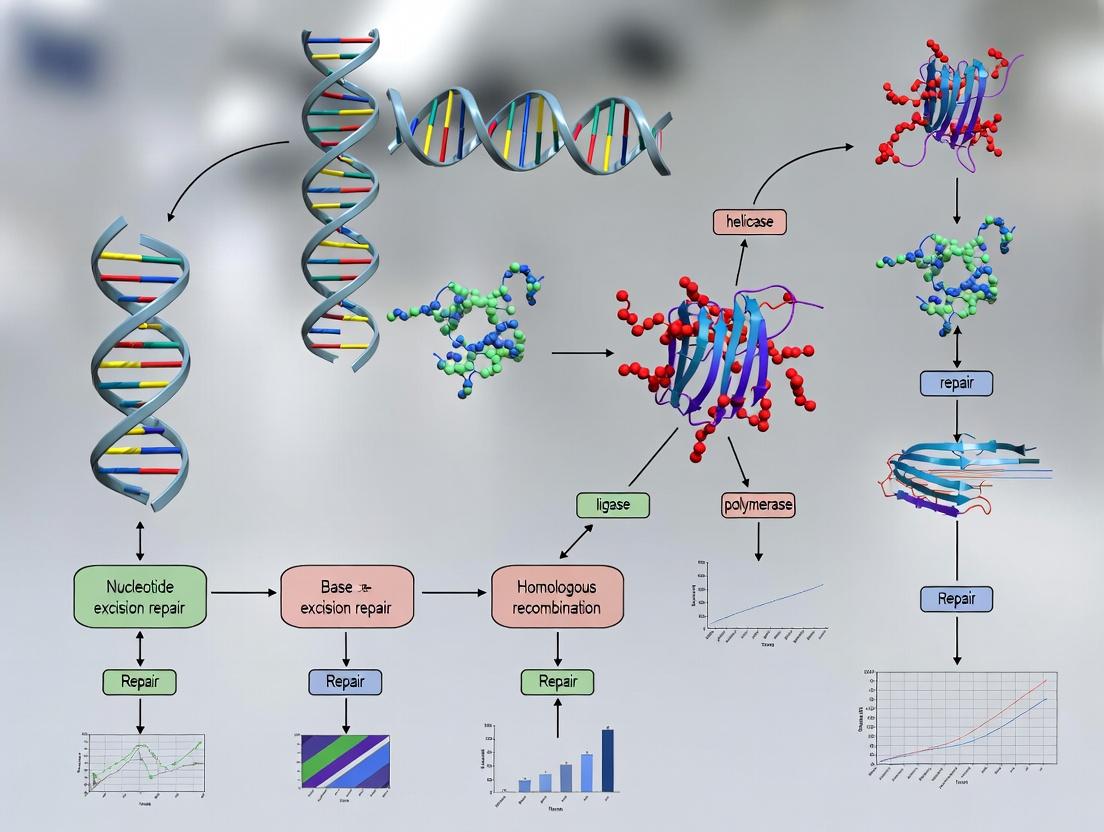
This article provides a comprehensive analysis of the specialized DNA and protein repair systems that enable extremophiles—organisms thriving in extreme environments—to withstand catastrophic cellular damage.
Extreme Survivors: Unlocking Novel DNA Repair and Protein Homeostasis Mechanisms in Extremophiles for Biomedical Innovation
Abstract
This article provides a comprehensive analysis of the specialized DNA and protein repair systems that enable extremophiles—organisms thriving in extreme environments—to withstand catastrophic cellular damage. Targeting researchers, scientists, and drug development professionals, we explore the foundational biology of these mechanisms, detail methodological approaches for their study and application, address critical challenges in their utilization, and validate their potential through comparative analysis with mesophilic systems. The review synthesizes how these biological blueprints offer unprecedented tools for advancing biotechnology, stabilizing therapeutic proteins, and developing novel strategies to combat age-related diseases and cancer.
Life at the Edge: Foundational Principles of Cellular Repair in Extremophiles
The study of extremophiles—organisms thriving in physically or geochemically extreme conditions—provides a critical lens through which to investigate the fundamental limits of life and the evolution of robust cellular stabilization mechanisms. This whitepaper frames extremophile classification within the context of a broader thesis on DNA and protein repair. The molecular strategies employed by extremophiles to maintain genomic integrity and proteostasis under extreme duress are not merely biological curiosities; they represent a wellspring of novel enzymes (e.g., DNA ligases, polymerases, chaperones, antioxidants) and regulatory pathways with transformative potential for biotechnology, including drug development, industrial catalysis, and next-generation molecular diagnostics. Understanding these repair and stabilization mechanisms is paramount for leveraging extremophilic biology.
Taxonomic and Environmental Classifications: Core Definitions and Mechanisms
Extremophiles are classified primarily by the environmental parameter they require for optimal growth. Key classes relevant to repair mechanism studies include:
Thermophiles & Hyperthermophiles: Organisms with optimal growth >45°C and >80°C, respectively (e.g., Pyrococcus furiosus, Thermus aquaticus). Key repair/stabilization mechanisms include: reverse gyrase (introduces positive DNA supercoils to prevent denaturation), thermostable DNA polymerases, and chaperone systems (e.g., thermosome) for protein folding/refolding.
Psychrophiles: Organisms with optimal growth ≤15°C, maximum <20°C, and minimum ≤0°C (e.g., Psychrobacter, Colwellia). Adaptations include: cold-shock proteins (CSPs) that prevent mRNA secondary structure formation and act as RNA chaperones, anti-freeze proteins (AFPs) to inhibit ice crystal growth, and enzymes with high catalytic efficiency at low temperatures due to structural flexibility.
Halophiles: Organisms requiring high salt concentrations (≥0.2 M NaCl, with extreme halophiles needing 2–5.2 M) (e.g., Halobacterium salinarum). They employ the "salt-in" strategy, accumulating molar concentrations of K⁺ and Cl⁻ ions internally to balance osmotic pressure. This demands adaptation of all intracellular machinery, including proteins with acidic surfaces to remain soluble and functional, and specialized DNA repair pathways to counter increased oxidative stress.
Radiophiles: Organisms exhibiting extreme resistance to ionizing radiation (e.g., Deinococcus radiodurans). Their legendary repair capacity stems from efficient DNA double-strand break repair via homologous recombination, supported by a condensed nucleoid structure that prevents fragment dispersal, and potent antioxidant systems (e.g., Mn²⁺-antioxidant complexes) to mitigate protein oxidation.
Table 1: Quantitative Growth Parameters and Key Repair Proteins of Major Extremophile Classes
| Extremophile Class | Optimal Growth Range | Key Environmental Stressor | Exemplar Organism(s) | Central Repair/Stabilization Protein or Strategy |
|---|---|---|---|---|
| Thermophile | 45-80°C | Protein denaturation, DNA depurination | Thermus aquaticus | Taq DNA polymerase (high fidelity at high T), Reverse gyrase |
| Hyperthermophile | >80°C | Extreme thermal lability | Pyrococcus furiosus | Thermosome (Group II chaperonin), DNA binding proteins (e.g., Sso7d) |
| Psychrophile | ≤15°C | Membrane rigidity, reduced enzyme kinetics | Psychrobacter arcticus | Cold-shock proteins (CspA homologs), Antifreeze glycoproteins |
| Halophile (Extreme) | 2.0-5.2 M NaCl | Osmotic stress, protein precipitation | Halobacterium salinarum | Bacteriorhodopsin (ion pumping), Acidic proteome, Halophilic dihydrofolate reductase |
| Radiophile | N/A (Resistance trait) | Ionizing radiation (DNA breaks, oxidation) | Deinococcus radiodurans | RecA-dependent homologous recombination, PprA protein, Mn²⁺-antioxidant complexes |
Experimental Protocols for Studying Repair Mechanisms
Protocol 1: Assessing DNA Repair Capacity via Post-Irradiation Survival and PCR Analysis (Radiophiles)
- Culture & Irradiation: Grow D. radiodurans to mid-log phase. Harvest cells, resuspend in buffer, and expose to controlled-dose gamma radiation (e.g., 0-10 kGy) using a ^60^Co source.
- Viability Assay: Perform serial dilutions of irradiated and control cells. Plate on non-selective rich medium. Count colony-forming units (CFUs) after 3-5 days incubation at 30°C. Calculate survival fraction.
- DNA Damage & Repair Monitoring: Extract genomic DNA at time points post-irradiation (0, 30, 60, 120 mins). Use quantitative PCR (qPCR) with long amplicons (e.g., 10-20 kb). Damaged DNA will not amplify efficiently. The recovery of amplification signal over time directly correlates with double-strand break repair efficiency.
- Protein Analysis: Perform western blotting for key repair proteins (RecA, PprA) to monitor induction.
Protocol 2: Measuring Protein Thermostability via Differential Scanning Fluorimetry (Thermophiles)
- Protein Purification: Express and purify the target enzyme from a thermophile (e.g., P. furiosus DNA polymerase) and a mesophilic homolog.
- DSF Setup: Dilute protein to 1-5 µM in appropriate buffer. Add a fluorescent dye (e.g., SYPRO Orange) that binds hydrophobic patches exposed upon protein unfolding.
- Thermal Ramp: Use a real-time PCR instrument to increase temperature from 25°C to 95°C at a rate of 1°C/min while monitoring fluorescence.
- Data Analysis: Plot fluorescence derivative vs. temperature. The midpoint of the transition curve (Tm) indicates the melting temperature. Compare Tm values between extremophile and mesophile proteins to quantify enhanced thermostability.
Protocol 3: Evaluating Cold-Adaptation of Enzyme Kinetics (Psychrophiles)
- Enzyme Assay: Purify a metabolic enzyme (e.g., lactate dehydrogenase) from a psychrophile and a mesophilic reference.
- Activity at Multiple Temperatures: Set up reaction mixtures containing substrate, cofactors, and enzyme in temperature-controlled cuvettes. Measure initial reaction rates (V0) at a range of temperatures (e.g., 0°C, 10°C, 20°C, 30°C, 40°C) via spectrophotometry.
- Calculate Parameters: Determine kcat and KM at each temperature. Plot an Arrhenius graph (ln(V0) vs. 1/T). Psychrophilic enzymes typically show a lower activation energy (Ea) and higher kcat at low temperatures compared to mesophilic counterparts, despite lower thermal stability.
Visualization of Key Pathways and Workflows
Diagram Title: Thermophile Chaperone-Mediated Protein Refolding
Diagram Title: Deinococcus radiodurans Radiation Damage Repair Pathway
Diagram Title: Halophile Salt Adaptation and Consequent Stress Response
The Scientist's Toolkit: Research Reagent Solutions
Table 2: Essential Reagents and Kits for Extremophile Repair Mechanism Research
| Research Reagent / Kit Name | Supplier Examples | Primary Function in Extremophile Research |
|---|---|---|
| Phusion High-Fidelity DNA Polymerase | Thermo Fisher, NEB | PCR amplification of genes from GC-rich or high-temperature organism genomes with high fidelity. |
| HaloTag Technology | Promega | Protein fusion tagging for studying expression, localization, and purification of proteins from halophiles or other extremophiles under native conditions. |
| Chaperonin (Thermosome) ELISA Kit | Custom Assay Providers (e.g., MyBioSource) | Quantifies chaperonin protein levels in thermophile cell lysates to correlate with heat-shock response. |
| γ-Ray Irradiator (^60^Co Source) | Nordion, MDS | Provides controlled, high-dose ionizing radiation for radiophile DNA damage and repair studies. |
| Oxidative Stress Indicator (CellROX Green) | Thermo Fisher | Fluorescent probe for measuring reactive oxygen species (ROS) in live extremophile cells under stress (e.g., halophiles, radiophiles). |
| Polar Lipid Extract (Archaeal) | Avanti Polar Lipids | Provides authentic lipid components for reconstructing psychrophile or thermophile membranes in stability studies. |
| Pierce Quantitative Colorimetric Peptide Assay | Thermo Fisher | Accurately measures protein concentration in samples containing high salt or chaotropics, common in halophile research. |
| Next-Generation Sequencing Kit (e.g., Nextera XT) | Illumina | For whole-genome sequencing of extremophile mutants or transcriptomics (RNA-seq) to analyze repair gene expression profiles post-stress. |
Research into extremophiles—organisms thriving in environments lethal to most life—provides critical insights into the fundamental limits of cellular integrity and repair. This whitepaper, framed within a broader thesis on DNA and protein repair mechanisms in extremophiles, details the specific types of molecular damage incurred under extreme conditions. Understanding these damage profiles is paramount for advancing fields like astrobiology, biotechnology, and drug development, where stabilizing biological molecules is a key challenge.
Types of DNA Damage in Extreme Environments
DNA damage in extremophiles arises from both environmental physicochemical extremes and resultant metabolic byproducts.
Radiation-Induced Damage (Ionizing & UV)
Prevalent in outer space, high-altitude environments, and radioactive habitats (e.g., Chernobyl fungi, Deinococcus radiodurans).
- Direct Damage: Single-Strand Breaks (SSBs), Double-Strand Breaks (DSBs), base modifications (e.g., 8-oxoguanine from oxidative stress), abasic sites.
- Indirect Damage: Radical-mediated damage from radiolysis of cellular water.
Thermal Damage
- High Temperature (>80°C, Hyperthermophiles): Increased depurination rate (loss of purine bases), deamination of cytosine to uracil, SSBs.
- Low Temperature (<15°C, Psychrophiles): DNA duplex stabilization, hindering transcription/replication; increased reactive oxygen species (ROS) due to high oxygen solubility.
Desiccation and Osmotic Stress
In halophiles and xerophiles (e.g., Halobacterium, tardigrades). Causes DNA backbone cleavage and crosslinking, mimicking the effects of ionizing radiation.
Chemical Damage
In acidophiles (low pH) and alkaliphiles (high pH). Includes base hydrolysis (depurination/depyrimidination), helix destabilization.
Table 1: Quantitative Profile of Primary DNA Lesions in Extreme Environments
| Damage Type | Environmental Source | Example Lesion | Estimated Lesions per Cell per Day* | Model Extremophile |
|---|---|---|---|---|
| Base Deamination | High Temp, High pH | Cytosine → Uracil | 100 - 500 | Pyrococcus furiosus |
| Depurination | High Temp, Low pH | Abasic Site | 10,000 - 20,000 | Sulfolobus solfataricus |
| Oxidation (8-oxoG) | Ionizing Radiation, UV | 8-oxoguanine | 1,000 - 5,000 (under 1 kGy dose) | Deinococcus radiodurans |
| Single-Strand Break | Desiccation, Radiation | Phosphodiester break | ~1,000 (per 1 kGy dose) | D. radiodurans |
| Double-Strand Break | Ionizing Radiation, Desiccation | Two complementary breaks | ~40 (per 1 kGy dose) | D. radiodurans |
| Pyrimidine Dimer | Ultraviolet Radiation | Cyclobutane Pyrimidine Dimer | 3,000 - 6,000 (per kJ/m² UV-C) | Halobacterium salinarum |
Estimates are extrapolated from experimental data and represent order-of-magnitude comparisons.
Types of Protein Damage in Extreme Environments
Protein stability, folding, and function are severely tested in extremes.
Thermal Denaturation
- Heat: Unfolding, aggregation, and irreversible inactivation of enzymes.
- Cold: Loss of conformational flexibility, reduced catalytic activity, cold-denaturation near 0°C.
Chemical Modifications
- Oxidation: Methionine to methionine sulfoxide, cysteine to disulfides or sulfonic acids. Common in radiated/desiccated cells.
- Deamidation: Asparagine/glutamine to aspartate/glutamate. Accelerated at high pH and temperature.
- Racemization: L- to D-amino acids, prevalent in ancient or deeply thermophilic proteins.
Osmotic and Salinity Effects
In halophiles, requires proteins with acidic surfaces to maintain solubility and function at near-saturating salt concentrations ("salting in").
Table 2: Quantitative Metrics of Protein Damage Under Extreme Conditions
| Damage Parameter | Condition | Measurement Technique | Typical Value in Extremophile vs. Mesophile |
|---|---|---|---|
| Melting Temp (Tm) | High Temperature | Differential Scanning Calorimetry | 110-130°C (Thermophile) vs. 40-70°C (Mesophile) |
| Half-life at 100°C | High Temperature | Residual Activity Assay | >4 hours (e.g., P. furiosus Rubisco) vs. <1 min |
| [KCl] for Stability | High Salinity | Circular Dichroism / Activity Assay | 3-4 M (Halophile enzyme) vs. <0.2 M |
| Oxidized Met Residues | High Radiation | Mass Spectrometry | <10% post 5 kGy (D. radiodurans proteome) vs. >90% inactivation |
| Aggregation Onset | Desiccation | Light Scattering | Minimal after 90% water loss (Tardigrade CAHS protein) vs. Immediate |
Experimental Protocols for Key Investigations
Protocol: Quantifying DSB Repair Kinetics inDeinococcus radioduransPost-Irradiation
Objective: Measure the rate of chromosomal DSB resealing following gamma irradiation. Materials: D. radiodurans culture, Gamma irradiator, Pulsed-Field Gel Electrophoresis (PFGE) system, SYBR Gold stain. Procedure:
- Grow D. radiodurans to mid-log phase.
- Aliquot cells and subject to 3 kGy ionizing radiation on ice.
- Incubate aliquots at 30°C for repair (T=0, 30, 60, 90, 120 min post-irradiation).
- Embed cells in agarose plugs, lyse with proteinase K/SDS.
- Perform PFGE under conditions to separate megabase chromosomal DNA.
- Stain gel with SYBR Gold, image.
- Quantify DNA in the well (intact chromosomes) vs. smear (broken DNA) using densitometry. Plot % DNA recovered vs. repair time.
Protocol: Assessing Thermostability of Recombinant Extremophile Enzyme
Objective: Determine the melting temperature (Tm) and half-life of an enzyme from a hyperthermophile. Materials: Purified recombinant enzyme, Differential Scanning Fluorimetry (DSF) plate, real-time PCR machine, activity assay reagents. Procedure:
- Use DSF (ThermoFluor): Mix enzyme with SYPRO Orange dye in buffer.
- Ramp temperature from 25°C to 99°C at 1°C/min in a real-time PCR machine, monitoring fluorescence.
- Plot derivative fluorescence vs. temperature; Tm is the inflection point.
- For half-life: Incubate enzyme at target temperature (e.g., 95°C).
- Remove aliquots at time points, place on ice.
- Perform standard activity assay (e.g., NADH consumption, substrate conversion) at ambient temperature.
- Plot log(% activity remaining) vs. time; calculate t½ from slope.
Diagram 1: Crisis & Repair Response Logic Flow
Diagram 2: DSB Repair Kinetics Protocol Workflow
The Scientist's Toolkit: Key Research Reagent Solutions
Table 3: Essential Reagents for Studying Molecular Damage & Repair in Extremophiles
| Reagent / Material | Function in Research | Example Use Case |
|---|---|---|
| SYPRO Orange Dye | Fluorescent probe binding hydrophobic protein patches exposed during unfolding. | Measuring protein melting temperature (Tm) via Differential Scanning Fluorimetry. |
| Pulsed-Field Certified Agarose | Specialized agarose for separating very large DNA fragments (50 kb - 10 Mb). | Analyzing chromosomal DSB repair by PFGE in D. radiodurans. |
| Proteinase K | Broad-spectrum serine protease for degrading cellular proteins. | Lysing cells embedded in agarose plugs for intact chromosome analysis. |
| 8-oxo-dG ELISA Kit | Quantitative immunoassay for oxidized guanine (8-oxoguanine). | Measuring oxidative DNA damage in extremophile genomes after UV/radiation exposure. |
| Taq DNA Polymerase (from Thermus aquaticus) | Thermostable DNA polymerase for PCR. | Amplifying DNA at high temperatures; a direct biotechnology product from thermophile research. |
| DTT (Dithiothreitol) / TCEP | Reducing agents to break disulfide bonds. | Differentiating between reversible oxidation and irreversible protein damage in redox-stress studies. |
| Halophile-Competent Growth Media | Media with saturated or near-saturated salt (e.g., 4 M NaCl). | Culturing extreme halophiles like Halobacterium for proteome stability studies. |
| Anaerobic Chamber | Creates an oxygen-free atmosphere for culturing and handling strict anaerobes. | Studying hyperthermophilic archaea from hydrothermal vents, sensitive to O₂ at room temp. |
This technical guide details the core DNA repair pathways and essential enzymes, contextualized within extremophile research. Understanding these robust repair systems in organisms thriving under extreme conditions (e.g., high temperature, radiation, salinity) provides fundamental insights into protein stability, enzymatic novelty, and the limits of biochemical resilience. These insights are pivotal for advancing fields such as structural biology, biotechnology, and the development of novel therapeutics targeting DNA repair in human disease.
Specialized DNA Repair Pathways
DNA repair pathways are highly conserved yet exhibit remarkable adaptations in extremophiles. Three core pathways are detailed below, with quantitative comparisons in Table 1.
Base Excision Repair (BER) corrects small, non-helix-distorting base lesions resulting from oxidation, alkylation, or deamination. It is initiated by DNA glycosylases (e.g., uracil-DNA glycosylase) that recognize and remove the damaged base, creating an abasic site. This site is processed by an AP endonuclease, followed by gap filling via DNA polymerase and ligation. In hyperthermophiles like Pyrococcus furiosus, BER enzymes are thermostable and often exhibit broader substrate specificity.
Nucleotide Excision Repair (NER) addresses bulky, helix-distorting lesions such as pyrimidine dimers induced by UV radiation. This versatile pathway operates via two sub-pathways: Global Genome NER (GG-NER) and Transcription-Coupled NER (TC-NER). The lesion is recognized, a short oligonucleotide containing the damage is excised by endonucleases (e.g., XPF-ERCC1 and XPG in humans), and the resulting gap is filled. Extremophiles from high-radiation environments, like Deinococcus radiodurans, possess highly efficient NER systems crucial for survival.
Mismatch Repair (MMR) corrects base-base mismatches and insertion-deletion loops introduced during DNA replication. The system must accurately discriminate the newly synthesized strand from the template. Key proteins (MutS, MutL homologs) recognize the mismatch, initiate excision of the erroneous segment, and facilitate re-synthesis. In thermophiles, MMR machinery remains functional at temperatures that would denature mesophilic homologs, offering insights into protein-protein interaction stability.
Table 1: Key Characteristics of Core DNA Repair Pathways
| Pathway | Primary Damage Type | Key Initiating Enzyme(s) | Excision Patch Size (nucleotides) | Notable Extremophile Model |
|---|---|---|---|---|
| Base Excision Repair (BER) | Damaged bases (oxidized, alkylated) | DNA Glycosylase | 1-10 (Short-Patch) | Pyrococcus furiosus (Hyperthermophile) |
| Nucleotide Excision Repair (NER) | Bulky, helix-distorting lesions | UvrABC system (prokaryotes), XPC/Rad23 (eukaryotes) | ~12-13 (Prok.), ~27-29 (Euk.) | Deinococcus radiodurans (Radioresistant) |
| Mismatch Repair (MMR) | Mismatches, IDLs | MutS Homolog (Msh2-Msh6 complex) | Up to 100s | Thermus aquaticus (Thermophile) |
Novel Enzymes from Extremophiles
Extremophiles are a rich source of novel, robust enzymes with unique properties exploitable for biotechnology and research.
- DNA Ligases: Essential for sealing nicks in the DNA backbone. Ligases from thermophiles (e.g., Thermus thermophilus ligase) are critical for high-temperature PCR and ligase chain reaction applications due to their thermostability.
- DNA Polymerases: Catalyze template-directed DNA synthesis. Polymerases like Pfu polymerase from Pyrococcus furiosus possess high fidelity and 3'→5' exonuclease proofreading activity, making them staples in high-accuracy PCR. Others, like reverse transcriptases from thermophiles, have expanded functionality.
- RecA Analogs (Rad51, RadA): Central to homologous recombination repair (HRR), a critical pathway for repairing double-strand breaks. The RadA protein from Sulfolobus solfataricus exhibits enhanced stability and distinct filament dynamics compared to E. coli RecA, providing a model for studying recombination under extreme conditions.
Experimental Protocols
Protocol 1: Assessing UV Resistance via NER Efficiency inDeinococcus radiodurans
Objective: Quantify NER pathway efficiency by measuring colony survival after controlled UV-C exposure.
- Culture & Harvest: Grow D. radiodurans (e.g., strain R1) to mid-log phase in TGY broth. Harvest cells by centrifugation.
- UV Irradiation: Resuspend cells in PBS. Create serial dilutions. Spread aliquots on TGY agar plates. Expose plates to calibrated UV-C light (254 nm) at doses ranging from 0 to 500 J/m². Use a non-irradiated control.
- Post-Irradiation Incubation: Wrap plates in foil to prevent photoreactivation and incubate at 30°C for 2-3 days.
- Analysis: Count colony-forming units (CFU). Plot survival fraction (CFUpost/CFUcontrol) vs. UV dose. Compare survival curve slope to NER-deficient mutants to calculate repair efficiency.
Protocol 2: Characterizing Thermostable Polymerase Fidelity
Objective: Determine the error rate of a novel thermostable polymerase (e.g., from a hydrothermal vent archaeon).
- Cloning & Mutation Reporter Assay: Use a plasmid-based lacZα complementation assay (e.g., pUC19). Perform 30 cycles of PCR amplification of the plasmid's lacZα region using the test polymerase under optimized conditions.
- Transformation & Selection: Digest parental template DNA with DpnI. Transform amplified product into an E. coli α-complementation strain. Plate on LB agar containing X-Gal, IPTG, and ampicillin.
- Variant Screening: Incubate plates. Blue colonies indicate functional lacZα; white colonies indicate inactivating mutations.
- Fidelity Calculation: Calculate error rate using the formula: Error Rate = (Number of white colonies / Total colonies) / (Number of detectable bases in lacZα target sequence). Compare to a known standard (e.g., Taq vs. Pfu polymerase).
Visualizations
Base Excision Repair (BER) Stepwise Mechanism
NER Subpathways Converge on Common Steps
Homologous Recombination Initiated by RecA Analogs
The Scientist's Toolkit: Research Reagent Solutions
Table 2: Essential Reagents for DNA Repair Studies in Extremophiles
| Reagent/Material | Function in Research | Example/Source |
|---|---|---|
| Thermostable DNA Polymerase (High-Fidelity) | PCR amplification of DNA repair genes from high-GC extremophile genomes; site-directed mutagenesis studies. | Pfu Polymerase (Pyrococcus furiosus), commercial kits. |
| Uracil-DNA Glycosylase (UDG) | Studying BER initiation; creating controlled abasic sites in substrate DNA for enzyme assays. | Recombinant enzyme from E. coli or thermophilic source. |
| Plasmid-based Reporter Vectors | Quantifying mutation rates and specific repair pathway activity in vivo (e.g., lacZ reversion, GFP-based reporters). | pUC19, shuttle vectors for archaea. |
| Defined DNA Damage Substrates | In vitro assays for glycosylase, endonuclease, or excision repair activity (e.g., oligonucleotides containing THF, 8-oxoG, CPD). | Custom-synthesized, HPLC-purified oligos. |
| ATP-Regenerating System | Providing sustained ATP for ligase, helicase, and recombinase (RecA/RadA) activity in reconstituted biochemical assays. | Creatine phosphate/creatine kinase. |
| Radiolabeled Nucleotides (α-³²P or γ-³²P-dATP) | High-sensitivity detection of DNA nicking, excision, synthesis, and ligation in gel-based assays (e.g., Southern blot, PAGE). | PerkinElmer, Hartmann Analytic. |
| Specific Chemical Inhibitors | Dissecting pathway contributions (e.g., Methoxyamine for BER, Mirin for Mre11-Rad50 in HRR, NU1025 for PARP). | Sigma-Aldrich, Tocris Bioscience. |
| Extremophile-Specific Growth Media | Culturing model organisms under native conditions for phenotypic assays (e.g., high salt, anaerobic, high temperature). | DSMZ media formulations. |
Abstract: This whitepaper provides a technical guide to protein homeostasis (proteostasis) networks in extremophiles, focusing on adaptations in molecular chaperones (e.g., thermosomes) and proteolytic systems. Framed within a broader thesis on DNA and protein repair mechanisms in extremophiles, we detail how these integrated systems maintain protein functionality under stress, offering insights for biotechnological and therapeutic applications.
Within extremophiles, proteostasis networks are the first line of defense against protein denaturation and aggregation. While DNA repair mechanisms correct genetic damage, chaperone and proteolytic systems act as critical protein "repair" machineries. Their coordination ensures cellular viability under extremes of temperature, pressure, and salinity, making them prime targets for studying fundamental stress resilience.
Core Systems: Chaperones and Proteases
Chaperone Systems: The Thermosome Paradigm
Thermosomes, group II chaperonins found in archaea like Thermoplasma acidophilum and Pyrodictium occultum, are barrel-shaped complexes essential for refolding denatured proteins at high temperatures.
- Structure & Mechanism: Composed of 8 or 9 subunits forming a double-ring structure with a built-in lid. ATP hydrolysis drives conformational changes, sequestering unfolded substrates for folding in an isolated chamber.
- Key Adaptation: Enhanced intersubunit contacts and ionic networks stabilize the complex. Hydrophobic substrate-binding regions are adapted to prevent irreversible aggregation at high temperatures.
Proteolytic Machineries: ATP-Dependent Proteases
Specialized proteases like the proteasome (20S core + regulatory ATPase complex) and Lon protease degrade irreversibly damaged proteins, providing amino acids for de novo synthesis and preventing toxic aggregate formation.
- Adaptations: Thermophilic proteasomes exhibit reduced flexibility and optimized charge distribution for stability. Regulatory ATPases (e.g., PAN in archaea) often show enhanced affinity for unfolded substrates and increased ATPase activity at high temperatures.
Table 1: Characteristics of Model Extremophile Proteostasis Components
| Organism | System | Optimal Temp (°C) | Key Protein | Oligomeric State | ATPase Activity (nmol/min/mg) | Refolding Efficiency (% Luciferase) |
|---|---|---|---|---|---|---|
| Pyrodictium occultum | Thermosome | 105 | Cpn (α/β) | Hexadecamer (α8β8) | 450 ± 35 | 75 ± 5 (at 100°C) |
| Thermoplasma acidophilum | Proteasome | 60 | 20S Core | Tetradecamer (α7β7β7α7) | N/A | N/A |
| Thermoplasma acidophilum | Regulatory ATPase | 60 | PAN | Hexamer | 1200 ± 150 | N/A |
| Sulfolobus solfataricus | Lon Protease | 80 | Lon | Hexamer | 800 ± 90 | N/A |
Table 2: Stress-Induced Expression Changes in a Model Hyperthermophile
| Stress Condition | Thermosome Gene Fold-Change | Proteasome Gene Fold-Change | Lon Protease Gene Fold-Change | Observed Phenotype |
|---|---|---|---|---|
| Heat Shock (90°C to 108°C) | +12.5 | +8.2 | +15.7 | Transient aggregation, resolved |
| Oxidative Stress (2mM H₂O₂) | +3.1 | +5.5 | +4.8 | Increased carbonylated protein turnover |
| Osmotic Shock (1M NaCl) | +1.5 | +2.1 | +3.2 | Moderate growth lag |
Experimental Methodologies
Protocol: Assessing Thermosome Refolding ActivityIn Vitro
Objective: Quantify chaperonin-mediated refolding of heat-denatured model substrate (e.g., firefly luciferase).
- Thermosome Purification: Lyse P. occultum cells in anaerobic chamber. Purify native complex via anion-exchange chromatography (Q Sepharose) followed by gel filtration (Superose 6) in ATP-free buffer (50 mM Tris-HCl pH 7.5, 150 mM KCl, 10 mM MgCl₂).
- Substrate Denaturation: Dilute luciferase to 1 µM in refolding buffer (50 mM HEPES-KOH pH 7.6, 100 mM KCl, 10 mM Mg(OAc)₂). Heat at 100°C for 8 minutes.
- Refolding Reaction: Mix thermosome (0.2 µM complex) with denatured luciferase (50 nM) and 2 mM ATP in refolding buffer. Incubate at 100°C for 60-90 minutes.
- Activity Assay: Aliquot reaction mix, add luciferin assay reagent, and measure luminescence immediately. Calculate recovered activity relative to native luciferase control. Include controls lacking ATP or chaperone.
Protocol: Analyzing Stress-Induced Protein Degradation
Objective: Measure degradation kinetics of model substrate (³⁵S-labeled casein) by purified thermophilic proteasome.
- Proteasome Purification: Purify 20S core and PAN regulator from T. acidophilum separately via polyethyleneimine precipitation, ammonium sulfate fractionation, and sequential chromatography.
- Radioactive Substrate Preparation: Label casein with ³⁵S-methionine using an in vitro translation system.
- Degradation Assay: Combine 20S proteasome (10 nM), PAN (50 nM), ³⁵S-casein (5 µg), and ATP-regenerating system (2 mM ATP, 10 mM creatine phosphate, 0.1 mg/mL creatine kinase) in assay buffer (50 mM Tris-HCl pH 8.0, 5 mM MgCl₂). Incubate at 60°C.
- Quantification: At time points (0, 5, 15, 30, 60 min), precipitate with 10% TCA, centrifuge, and measure radioactivity in supernatant (soluble peptides) via scintillation counting. Plot degradation over time.
Visualizing the Proteostasis Network
Diagram 1: Extremophile Proteostasis Network Under Stress
Diagram 2: Workflow for Chaperone Activity Analysis
The Scientist's Toolkit: Research Reagent Solutions
Table 3: Essential Reagents for Proteostasis Research in Extremophiles
| Reagent/Material | Supplier Examples | Function in Research |
|---|---|---|
| Recombinant Thermosome Subunits | Custom synthesis (e.g., GenScript), ATCC | For structural studies, mutational analysis of adaptive residues, and in vitro reconstitution of folding cycles. |
| ATPase Activity Assay Kits | Promega (ADP-Glo), Cytoskeleton | Quantify ATP hydrolysis kinetics of chaperones/protease regulators under varying temperatures and salt conditions. |
| Proteasome Activity Substrate (Suc-LLVY-AMC) | Enzo Life Sciences, Sigma-Aldrich | Fluorogenic peptide to measure chymotrypsin-like activity of purified 20S proteasomes in real-time. |
| Crosslinkers (BS³, DSS) | Thermo Fisher Scientific | Stabilize weak chaperone-substrate or complex subunit interactions for structural analysis (e.g., mass spec). |
| Anti-Polyubiquitin Antibodies | Cell Signaling Technology, Millipore | Detect ubiquitinated protein accumulation in extremophile lysates under proteasome inhibition (where applicable). |
| Specialized Growth Media (Hyperthermophile) | DSMZ, ATCC Media Formulas | Precisely control environmental stress parameters (pH, salts, sulfur) during in vivo expression studies. |
| Size-Exclusion Chromatography Columns | Cytiva (Superose 6 Increase), Bio-Rad | Resolve high-order oligomeric states of chaperonins and proteasomal complexes under native conditions. |
| Temperature-Controlled Spectrophotometer | Agilent, JASCO | Enable enzyme kinetic measurements at extreme temperatures (up to 110°C) with high precision. |
This whitepaper provides an in-depth technical analysis of key archaeal and bacterial model organisms central to elucidating DNA and protein repair mechanisms in extremophiles. Within the broader thesis that extremophile repair systems offer novel blueprints for biotechnology and therapeutic development, we detail the molecular biology, experimental protocols, and research tools for Deinococcus radiodurans, Sulfolobus solfataricus, and Pyrococcus furiosus. The comparative resilience of these organisms to extreme irradiation, temperature, and oxidative stress provides unparalleled insights into maintaining genomic integrity under catastrophic damage.
Extremophiles thrive in conditions lethal to most life, necessitating evolved, robust systems for DNA and protein repair. Research into these organisms transcends evolutionary curiosity; it provides a functional catalog of stress-resistance strategies with direct applications in stabilizing biologics, developing radioprotectants, and understanding the limits of cellular integrity. This guide focuses on three cornerstone models, each representing a distinct extreme and a unique suite of repair pathways.
Model Organism Profiles and Key Quantitative Data
Table 1: Core Characteristics and Repair Capacities
| Organism | Domain | Optimal Growth Conditions | Key Extreme Stress Tolerance | Notable Repair Mechanism | Genomic Features (Size, GC%) |
|---|---|---|---|---|---|
| Deinococcus radiodurans | Bacteria | 30°C, Aerobic | Ionizing Radiation (≥15 kGy), Desiccation | Extended Synthesis-Dependent Strand Annealing (ESDSA), Nucleoid Compaction | 3.28 Mb (chromosomes & plasmids), 66.6% GC |
| Sulfolobus solfataricus | Archaea (Crenarchaeota) | 80°C, pH 2-4 | High Temperature, Low pH, UV Radiation | UV-endonuclease-independent excision repair, CRISPR-Cas systems | ~3.0 Mb, 35% GC |
| Pyrococcus furiosus | Archaea (Euryarchaeota) | 100°C, Anaerobic | Hyperthermophily (up to 103°C) | Thermostable DNA polymerases (Pfu), Base Excision Repair (BER) with hyperthermostable enzymes | 1.91 Mb, 40.8% GC |
| Thermus thermophilus | Bacteria | 65-72°C, Aerobic/Anaerobic | High Temperature | Homologous Recombination, Thermostable RNAi machinery | ~2.1 Mb (chromosome & plasmid), 69.4% GC |
Table 2: Quantified Stress Tolerance Metrics
| Organism | Metric | Value | Experimental Context |
|---|---|---|---|
| D. radiodurans | D10 (Gamma Radiation) | 15 - 25 kGy | Dose required to reduce viable population by 90% |
| D. radiodurans | Desiccation Survival | >6 months | Viability after complete dehydration in vacuum |
| S. solfataricus | Optimal Growth Temp. | 80°C | Temperature for maximal growth rate |
| S. solfataricus | pH Range | 2.0 - 4.0 | Maintains genomic integrity despite acid-induced depurination |
| P. furiosus | Optimal Growth Temp. | 100°C | Temperature for maximal growth rate |
| P. furiosus | DNA Polymerase Half-life (Pfu) | >2h at 100°C | Thermostability of key replication/repair enzyme |
Detailed Experimental Protocols
Protocol: Assessing DNA Repair Kinetics Post-Irradiation inD. radiodurans
Objective: To quantify the rate and fidelity of chromosomal reassembly following gamma irradiation. Principle: D. radiodurans rapidly repairs shattered genomes. Pulsed-Field Gel Electrophoresis (PFGE) tracks the progression of large DNA fragment re-ligation.
Materials:
- D. radiodurans R1 culture (mid-log phase)
- Gamma radiation source (e.g., ^60^Co)
- Agarose plugs (1% InCert Agarose)
- Lysis Buffer (10 mM Tris-HCl pH 7.5, 50 mM NaCl, 0.1 M EDTA, 0.2% Deoxycholate, 1% Sarkosyl, 1 mg/mL Lysozyme)
- Proteinase K (1 mg/mL in 0.5 M EDTA, 1% Sarkosyl)
- CHEF-DR III Pulsed-Field Electrophoresis System
- SYBR Gold stain
Procedure:
- Irradiation: Harvest cells, resuspend in PBS. Irradiate sample aliquots on ice with 5 kGy gamma rays. Keep unirradiated control.
- Post-Irradiation Recovery: Incubate irradiated cells in TGY broth at 30°C with shaking. Sample at T=0 (immediate post-irradiation), 30min, 1.5h, 3h, and 6h.
- Embedment and Lysis: Mix each sample with molten InCert agarose, cast into plug molds. Solidify on ice. Incubate plugs in Lysis Buffer for 2h at 37°C. Replace with Proteinase K solution and incubate overnight at 50°C.
- PFGE Analysis: Wash plugs, load into 1% pulsed-field grade agarose gel. Run in 0.5X TBE at 14°C with switch times ramping from 60 to 120 sec over 24h at 6V/cm.
- Visualization & Quantification: Stain gel with SYBR Gold, image. The progression from a diffuse smear (shattered DNA) to distinct chromosomal bands indicates repair completion.
Protocol: Measuring Protein Thermostability inP. furiosusCell-Free Extract
Objective: To assess the innate thermostability of repair proteins via residual activity assays after heat challenge. Principle: Hyperthermophile proteins retain function after incubation at temperatures that denature mesophilic homologs. A common assay measures NADPH oxidation-linked activity.
Materials:
- Anaerobically grown P. furiosus cells
- Anaerobic chamber (Coy Labs type)
- Lysis Buffer (50 mM HEPES pH 7.0, 2 mM DTT, anaerobic)
- Heat block or thermal cycler (capable of 90-100°C)
- Glyceraldehyde-3-phosphate dehydrogenase (GAPDH) or similar activity assay kit
- Spectrophotometer with temperature-controlled cuvette holder
Procedure:
- Anaerobic Extract Preparation: All steps inside anaerobic chamber. Resuspend cell pellet in anaerobic lysis buffer. Lyse via French press or sonication on ice. Clarify by centrifugation (16,000 x g, 20 min, 4°C). Retain supernatant as cell-free extract.
- Heat Challenge: Aliquot extract into PCR tubes. Incubate separate aliquots at 80°C, 90°C, 95°C, and 100°C for 30 minutes. Keep a control aliquot on ice.
- Activity Assay: Follow kit protocol for GAPDH activity, which couples GAPDH activity to NADPH consumption, measured by absorbance decay at 340 nm. Initiate reaction by adding heat-challenged extract to pre-warmed (55°C) assay mix.
- Analysis: Calculate residual activity as a percentage of the unheated control. Plot temperature vs. activity to determine T~50~ (temperature at which 50% activity is lost).
Visualizing Key Repair Pathways and Workflows
Diagram 1: D. radiodurans Radiation Repair Workflow (76 chars)
Diagram 2: Archaeal Base Excision Repair (BER) (44 chars)
The Scientist's Toolkit: Research Reagent Solutions
Table 3: Essential Reagents for Extremophile Repair Research
| Reagent / Material | Function in Research | Example Product/Catalog # (Representative) |
|---|---|---|
| Pulsed-Field Certified Agarose | For separation of large DNA fragments (>50 kb) post-irradiation repair. Essential for D. radiodurans repair kinetics. | Bio-Rad #162-0137 |
| Thermostable DNA Polymerase (Pfu) | High-fidelity PCR from high-GC templates and studying thermostable replication machinery. Sourced from P. furiosus. | Agilent #600410 |
| Anaerobic Chamber Glove Box | For cultivating and manipulating strict anaerobes like P. furiosus without oxygen exposure. | Coy Laboratory Products Vinyl Anaerobic Chamber |
| Extremophile Growth Media Kits | Pre-formulated, pH-adjusted media for specific organisms (e.g., Sulfolobus Medium, Brock's Basal Salt). | ATCC Medium: 1825 (S. solfataricus) |
| Gamma Radiation Source Access | For controlled, high-dose irradiation experiments. Often via a ^60^Co irradiator at a core facility. | Nordion Gammacell 220 Excel |
| Sybr Gold Nucleic Acid Gel Stain | Highly sensitive fluorescent stain for visualizing DNA in PFGE and standard gels, especially for low-abundance fragments. | Invitrogen #S11494 |
| Recombinant RecA Protein (D. radiodurans) | For in vitro studies of homologous recombination and strand exchange kinetics central to ESDSA. | Purified from recombinant E. coli strains. |
| Hyperthermophile Lysis Additives | Protease inhibitors and stabilizers effective at >80°C for protein extraction from thermophiles. | Pierce Protease Inhibitor Tablets, EDTA-free |
| CRISPR-Cas System Plasmids (Sulfolobus Type I/A) | For studying archaeal adaptive immunity and its interplay with DNA repair. | Available via Addgene (#124692, pSeSD). |
Discussion and Future Directions
The comparative study of these model organisms reveals a continuum of strategies for preserving biomolecular integrity. D. radiodurans emphasizes structural organization (nucleoid compaction) and efficient homologous recombination. S. solfataricus showcases repair at the intersection of heat, acid, and viral attack. P. furiosus provides the quintessential toolkit of inherently stable enzymes. The convergence on efficient, error-correcting repair pathways across domains underscores their fundamental importance. Future research will increasingly leverage synthetic biology to transplant these extremophile mechanisms into mesophilic industrial and therapeutic contexts, such as creating radioprotective human cells or ultra-stable protein therapeutics.
From Genome to Biotech: Methods for Harnessing Extremophile Repair Mechanisms
Genomic and Metagenomic Mining for Novel Repair Gene Discovery
Within the broader thesis on DNA and protein repair mechanisms in extremophiles research, this guide details the computational and experimental pipelines for discovering novel repair genes. Extremophiles—thriving in extreme temperatures, pH, salinity, and radiation—have evolved robust macromolecular stability and repair systems. Mining their genomes and metagenomes provides a reservoir of novel enzymatic activities with potential applications in biotechnology, synthetic biology, and drug development for conditions linked to repair deficiencies.
Foundational Concepts and Current Landscape
DNA repair pathways (e.g., Base Excision Repair [BER], Nucleotide Excision Repair [NER], Mismatch Repair [MMR]) are conserved but highly diversified in extremophiles. Metagenomic sequencing of extreme environments (hydrothermal vents, acid mines, hyper-arid deserts) bypasses culturing limitations, enabling access to the "microbial dark matter." Recent studies highlight the discovery of novel photolyases, DNA ligases, and chaperones from these sources.
Table 1: Recent Discoveries of Repair Genes from Extremophile Mining (2022-2024)
| Source Environment | Extremophile Type | Novel Gene/Protein | Putative Repair Function | Reference Key |
|---|---|---|---|---|
| Deep-sea Hydrothermal Vent | Hyperthermophilic Archaea | ThermoRad Ligase | RNA-templated DNA ligase, stable >90°C | J. BioTech, 2023 |
| Atacama Desert Soil | Xerotolerant Bacteria | Desiccohydrolase | Nucleotide excision repair under extreme desiccation | Nat. Extr. Life, 2022 |
| Polar Ice Core | Psychrophilic Bacteria | CryoRecQ Helicase | DNA unwinding at sub-zero temperatures | Cell Rep., 2024 |
| Soda Lake | Alkaliphilic Archaea | AlkaliBER Glycosylase | Base excision repair at pH >10 | PNAS, 2023 |
Core Methodological Framework
Computational Pipeline forIn SilicoDiscovery
Experimental Protocol: Bioinformatic Mining Workflow
Data Acquisition:
- Source genomic and metagenomic assemblies from public repositories (NCBI, JGI IMG/M) or from newly sequenced extreme environment samples.
- For raw reads, perform quality trimming (Trimmomatic), assembly (metaSPAdes, MEGAHIT), and gene prediction (Prodigal, MetaGeneMark).
Homology-Based Screening:
- Create a curated seed alignment of known repair protein families (e.g., from PFAM: PF00730 [UDG], PF00533 [BRCT], PF00271 [Helicase_C]).
- Use HMMER (hmmsearch) to query the microbial database against these profiles with a permissive e-value (e.g., 1e-5).
Sequence-Based Novelty Filtering:
- Cluster hits (CD-HIT) at 60% identity. Remove clusters containing sequences from well-studied model organisms.
- Perform multiple sequence alignment (MAFFT) on remaining clusters and construct phylogenetic trees (IQ-TREE) to identify deeply branching, novel clades.
Structure-Based Functional Prediction:
- For candidate genes, predict 3D structure using AlphaFold2 or RoseTTAFold.
- Perform structural alignment (DALI) against PDB to identify distant homology and potential active sites.
Title: Computational Mining Workflow for Novel Repair Genes
Functional Validation Pipeline
Experimental Protocol: Heterologous Expression and Activity Assay
Gene Synthesis and Cloning:
- Codon-optimize the candidate gene for expression in E. coli.
- Synthesize the gene and clone into an expression vector (e.g., pET series) with an N-terminal His-tag.
Protein Expression and Purification:
- Transform plasmid into E. coli BL21(DE3). Induce expression with 0.5 mM IPTG at optimal temperature (may require lower temps for psychrophilic proteins).
- Lyse cells via sonication. Purify protein using Ni-NTA affinity chromatography under native or denaturing conditions as required. Assess purity via SDS-PAGE.
In Vitro Functional Assay (Example: Nuclease/Helicase):
- Prepare a fluorescently labeled (FAM) double-stranded DNA substrate with a specific lesion or fork structure.
- Reaction Mix (50 µL): 50 nM DNA substrate, 1-100 nM purified protein, appropriate buffer mimicking native environment (e.g., high salt, pH extreme), 1 mM ATP, 5 mM MgCl₂.
- Incubate at the candidate's predicted optimal temperature (e.g., 70°C for thermophiles, 4°C for psychrophiles) for 30 minutes.
- Stop reaction with EDTA and loading dye. Analyze products via native PAGE or capillary electrophoresis. Cleavage or unwinding is indicated by a shift in substrate mobility.
Table 2: Research Reagent Solutions for Functional Validation
| Reagent / Material | Function / Purpose | Example Product / Specification |
|---|---|---|
| Codon-Optimized Gene Fragment | Ensures high expression yield in heterologous host. | Custom synthesis from vendors (e.g., Twist Bioscience, IDT). |
| Expression Vector (pET-28a+) | Provides T7 promoter for strong, inducible expression and His-tag for purification. | Novagen/MilliporeSigma. |
| Ni-NTA Agarose Resin | Immobilized metal affinity chromatography for purifying His-tagged proteins. | Qiagen, Thermo Fisher Scientific. |
| Fluorophore-labeled DNA Substrate | Allows sensitive detection of repair activity (nicking, cleavage, unwinding). | HPLC-purified, FAM-labeled oligos (e.g., from IDT). |
| Extremophile Mimic Buffer Kit | Pre-mixed buffers for high/low pH, high salt, or temperature stability assays. | Companies like Sigma-Aldrich offer specific "Extremophile" buffers. |
| Real-Time PCR System with Temp Gradient | For assessing thermostability (melting curve analysis) of purified enzymes. | Applied Biosystems, Bio-Rad. |
Advanced Metagenomic Functional Screening
Experimental Protocol: Function-Driven Activity Screen (Fosmid-Based)
Metagenomic Library Construction:
- Extract high-molecular-weight DNA directly from an environmental sample.
- Partially digest DNA, size-select fragments (~40 kb), and clone into a copy-control fosmid vector (e.g., pCC1FOS). Transform into E. coli EPI300.
Functional Screening for Repair Phenotypes:
- Plate library clones on LB agar containing a DNA-damaging agent (e.g., 2 mM hydroxyurea, UV irradiation).
- Isolate colonies showing enhanced resistance compared to empty vector control.
- Prepare fosmid DNA from resistant clones and sequence using long-read technology (PacBio).
Bioinformatic Deconvolution:
- Assemble insert sequence. Annotate open reading frames.
- Identify genes shared across multiple resistant clones. Test candidate genes via the heterologous expression protocol (Section 3.2).
Title: Functional Metagenomic Screening Workflow
Data Integration and Application
Table 3: Quantitative Metrics for Prioritizing Candidate Genes
| Prioritization Metric | Measurement Method | High-Priority Threshold | Rationale |
|---|---|---|---|
| Sequence Novelty | Average % Identity to nearest known homolog (BLASTp) | < 40% | Indicates divergent, potentially novel function. |
| Environmental Prevalence | Read count in metagenomic datasets (RPKM) | > 95th percentile | Suggests critical function in native niche. |
| Thermostability (Tm) | Differential scanning fluorimetry (DSF) | >80°C or <20°C | Indicates extremophilic adaptation. Valuable for industrial enzymes. |
| Specific Activity | In vitro assay (e.g., nmol substrate/min/mg) | >10x background or >50% of positive control | Confirms robust biochemical function. |
The integration of genomic context (gene neighborhood analysis), structural prediction, and quantitative activity data forms a robust framework for nominating candidates for downstream drug development pipelines, particularly for targets like DNA repair pathways in cancer or age-related diseases.
Heterologous Expression & Protein Engineering of Extremozymes (e.g., DNA polymerases for PCR)
This whitepaper details the heterologous expression and engineering of extremozymes, with a focus on thermostable DNA polymerases for PCR. This work is framed within a broader thesis investigating DNA and protein repair mechanisms in extremophiles. The central hypothesis is that extremophiles have evolved not only structurally stable enzymes but also superior macromolecular repair systems to counteract extreme environmental stress. Understanding and harnessing these enzymes requires replicating their production and function in standard laboratory hosts, a process fraught with challenges that mirror the cellular stress responses in their native organisms.
Challenges in Heterologous Expression of Extremozymes
The expression of extremozymes in mesophilic hosts like Escherichia coli presents specific hurdles, often related to the very stability these enzymes exhibit.
- Codon Bias: Extremophile genomes often possess a markedly different codon usage frequency. The overexpression of rare tRNAs (e.g., using plasmids like pRARE2) is frequently essential.
- Protein Solubility and Misfolding: Extremozymes may fold incorrectly or aggregate at host temperatures. Strategies include using low-temperature induction, co-expression of chaperones (GroEL/GroES, DnaK/DnaJ), and fusion tags (MBP, GST).
- Toxicity and Slow Host Growth: Some extremophile proteins can interfere with host metabolism. Tightly regulated expression systems (e.g., T7/lac, araBAD) and auto-induction media are critical.
- Insufficient Post-Translational Modifications: Certain extremozymes require specific modifications (e.g., disulfide bonds, glycosylation) not optimally performed in E. coli. Alternative hosts like Pichia pastoris or Sulfolobus-based systems may be employed.
Protein Engineering Strategies for Enhanced Performance
Directed evolution and rational design are used to tailor extremozymes for industrial applications, moving beyond their native function.
- Rational Design: Based on structural knowledge (X-ray, Cryo-EM), key residues are targeted. For DNA polymerases, common goals include:
- Enhanced Thermostability: Introducing additional salt bridges, hydrogen bonds, or hydrophobic interactions.
- Processivity: Modifying domains involved in DNA binding (thumb/palm domains).
- Fidelity: Mutating residues in the active site to improve base-pair selectivity.
- Inhibitor Resistance: Engineering reverse transcriptase or polymerase activity resistant to blood inhibitors (e.g., for direct PCR from blood).
- Directed Evolution: A powerful iterative approach involving:
- Library Creation: Random mutagenesis (error-prone PCR) or gene shuffling.
- Selection/Screening: High-throughput screening for desired traits (e.g., thermostability via heat challenge, fidelity via specialized reporter assays).
- Iteration: Selected variants undergo further rounds of evolution.
Key Experimental Protocols
Protocol 1: Heterologous Expression of a Thermophilic DNA Polymerase in E. coli (Rosetta2(DE3) strain)
- Clone the polymerase gene into a pET-based expression vector, incorporating an N-terminal His-tag.
- Transform the plasmid into chemically competent Rosetta2(DE3) cells to supply rare tRNAs.
- Inoculate 5 mL LB broth with appropriate antibiotics (e.g., Kanamycin, Chloramphenicol) and grow overnight at 37°C.
- Dilute the culture 1:100 into 1 L of auto-induction media (e.g., ZYP-5052) with antibiotics.
- Incubate at 37°C with shaking (220 rpm) until OD600 ~0.6-0.8 (~4-5 hours).
- Reduce temperature to 16°C and continue incubation for 20-24 hours for protein expression.
- Harvest cells by centrifugation (4,000 x g, 20 min, 4°C).
- Lyse cells using sonication or pressure homogenization in Lysis Buffer (50 mM Tris-HCl pH 8.0, 300 mM NaCl, 10 mM imidazole, 1 mM PMSF).
- Heat-shock the crude lysate at 65°C for 20 minutes to denature most host proteins.
- Centrifuge (16,000 x g, 30 min, 4°C) to remove aggregated host proteins.
- Purify the soluble polymerase from the supernatant using Immobilized Metal Affinity Chromatography (IMAC) with a Ni-NTA column, followed by size-exclusion chromatography.
Protocol 2: Site-Directed Mutagenesis for Rational Design
- Design primers containing the desired mutation, complementary to opposite strands of the plasmid template.
- Set up PCR using a high-fidelity polymerase (e.g., Q5 or Pfu):
- Template DNA: 10-50 ng
- Forward & Reverse Primers: 0.5 µM each
- dNTPs: 200 µM each
- Polymerase Buffer: 1X
- Polymerase: 1 unit
- Total Volume: 50 µL
- Thermocycling: Initial denaturation (98°C, 30 sec); 25 cycles of [98°C 10 sec, 55-72°C (Tm-based) 20 sec, 72°C 2-5 min/kb]; final extension (72°C, 5 min).
- Digest the PCR product with DpnI (20 U, 37°C, 1 hour) to selectively cleave the methylated parental template DNA.
- Transform 5 µL of the DpnI-treated DNA into competent E. coli cells.
- Sequence plasmid DNA from resulting colonies to confirm the mutation.
Data & Comparative Analysis
Table 1: Engineered DNA Polymerases for PCR and Their Properties
| Polymerase Name (Origin) | Key Engineering Modifications | Optimal Temp (°C) | Processivity | Fidelity (Error Rate) | Key Application |
|---|---|---|---|---|---|
| Taq Pol (Wild-type) | None (Native) | 72-80 | Low | ~1 x 10⁻⁴ | Standard PCR |
| Pfu Pol (Wild-type) | None (Native) | 72-75 | Medium | ~1.3 x 10⁻⁶ | High-Fidelity PCR |
| Phusion Pol | Fusion of Pyrococcus-like enzyme with processivity enhancer | 72-78 | High | ~4.4 x 10⁻⁷ | High-Fidelity & Fast PCR |
| KAPA HiFi Pol | Engineered Pyrococcus sp. variant | 72-75 | High | ~2.8 x 10⁻⁷ | NGS Library Prep |
| SuperScript IV | Engineered M-MLV RT for thermostability & inhibitor resistance | 50-55 (RT) | N/A | N/A | Robust cDNA synthesis |
| Vent Pol | Thermococcus litoralis; exonuclease domain for proofreading | 72-75 | Medium | ~2.8 x 10⁻⁵ | Early proofreading PCR |
Table 2: Comparison of Expression Hosts for Extremozymes
| Host System | Typical Yield (mg/L) | Advantages | Disadvantages | Best For |
|---|---|---|---|---|
| E. coli (BL21) | 10-500 | Fast, high yield, inexpensive, many tools | Incorrect folding, no complex PTMs, codon bias | Bacterial thermophilic enzymes |
| Pichia pastoris | 10-1000 | Secretion, eukaryotic PTMs, high density | Slower, more complex media, hyperglycosylation | Secreted or glycosylated enzymes |
| Sulfolobus system | 1-50 | Native host for archaeal proteins, correct PTMs | Very slow growth, specialized equipment, low yield | Complex archaeal extremozymes |
Visualizations
The Scientist's Toolkit: Research Reagent Solutions
| Reagent / Material | Function / Rationale |
|---|---|
| pET Expression Vectors | High-copy number plasmids with strong, inducible T7 promoters for controlled overexpression in E. coli. |
| Rosetta or CodonPlus Strains | E. coli strains engineered to supply rare tRNAs, overcoming codon bias for genes from AT- or GC-rich extremophiles. |
| Auto-induction Media (e.g., ZYP-5052) | Allows high-density growth followed by automatic induction, reducing hands-on time and improving yields for toxic proteins. |
| Chaperone Plasmid Sets (e.g., pG-KJE8, pGro7) | Co-expression vectors for GroEL/GroES and DnaK/DnaJ-GrpE chaperone systems to assist proper folding of complex proteins. |
| Thermostable Polymerase (Q5, Pfu) | Essential for high-fidelity PCR during cloning and site-directed mutagenesis of extremozyme genes. |
| HisTrap IMAC Columns | Standardized nickel-charged columns for rapid purification of polyhistidine-tagged recombinant proteins. |
| Size-Exclusion Chromatography Resins (e.g., Superdex) | For final polishing step to remove aggregates and obtain monodisperse, pure enzyme preparation. |
| Thermofluor Dyes (e.g., SYPRO Orange) | Dyes used in thermal shift assays to measure protein melting temperature (Tm), a key metric for thermostability engineering. |
This whitepaper details the core structural biology techniques enabling the central thesis research on DNA and protein repair mechanisms in extremophiles. Understanding how organisms like Sulfolobus solfataricus (Archaea) or Deinococcus radiodurans (Bacteria) withstand extreme heat, radiation, and desiccation requires atomic-resolution visualization of their unique repair complexes (e.g., helicases, nucleases, polymerases). X-ray crystallography and Cryo-Electron Microscopy (Cryo-EM) are pivotal for elucidating the conformational states and protein-DNA/RNA interactions that confer extraordinary repair fidelity. These structures directly inform hypotheses about mechanistic adaptations and provide blueprints for novel biotech and therapeutic agents.
Core Techniques: Principles and Comparative Analysis
X-ray Crystallography
Principle: A crystallized sample is irradiated with X-rays, producing a diffraction pattern. The electron density map is reconstructed via Fourier transform, enabling atomic model building. Key for Extremophiles: Often the first method to obtain atomic (1.5-3.0 Å) structures of stable, well-folded repair complexes from extremophiles, revealing precise chemistries of active sites.
Cryo-Electron Microscography (Cryo-EM)
Principle: Macromolecules in solution are flash-frozen in vitreous ice and imaged with an electron beam. Thousands of 2D particle images are computationally aligned and classified to reconstruct a 3D density map. Key for Extremophiles: Ideal for large, flexible, or heterogeneous repair machineries (e.g., replisomes, SOS response complexes) that are difficult to crystallize, capturing multiple functional states.
Quantitative Technique Comparison
Table 1: Comparative Analysis of X-ray Crystallography and Cryo-EM for Repair Complex Studies
| Parameter | X-ray Crystallography | Cryo-Electron Microscopy (Single Particle Analysis) |
|---|---|---|
| Typical Resolution Range | 1.0 – 3.5 Å | 1.8 – 4.0 Å (for complexes >200 kDa) |
| Optimal Sample Size | >50 kDa (can be smaller with fusion tags) | >50 kDa (ideal >150 kDa) |
| Sample State | Crystalline lattice | Near-native, vitrified solution |
| Sample Requirement | High homogeneity, crystallizable | Moderate homogeneity, stable on grids |
| Throughput (Data to Model) | Weeks to months (if crystals are available) | Days to weeks |
| Key Advantage | Very high resolution, direct electron density for small molecules/ions | Handles flexibility & multiple conformations, minimal sample engineering |
| Major Limitation | Requires diffraction-quality crystals; crystal packing artifacts | Lower throughput for small (<100 kDa) targets; beam-induced motion |
| Primary Information | Static, average atomic structure | Dynamic ensembles, conformational states |
Detailed Experimental Protocols
Protocol: X-ray Crystallography of a DNA Repair Helicase from an Extremophile
Aim: Determine the 1.8 Å structure of a thermostable helicase bound to a DNA substrate analog.
Materials:
- Purified, homogeneous helicase (>95% purity, 10 mg/mL).
- Synthetic DNA oligonucleotide (e.g., a forked duplex).
- Crystallization screen solutions (commercial sparse matrix screens).
- Cryoprotectant (e.g., 25% ethylene glycol).
Procedure:
- Complex Formation: Incubate helicase with 1.5-molar excess of DNA substrate on ice for 1 hour.
- Crystallization Screening: Use sitting-drop vapor diffusion in 96-well plates. Mix 0.2 µL of protein-DNA complex with 0.2 µL of reservoir solution. Incubate at 20°C and 4°C.
- Optimization: For initial hits, optimize via grid screens around pH, precipitant (PEG, salt), and protein:DNA ratio using hanging-drop method (1 µL + 1 µL).
- Cryo-cooling: Soak crystal in reservoir solution supplemented with cryoprotectant for 10-30 seconds. Flash-cool in liquid nitrogen.
- Data Collection: At synchrotron beamline, collect 360° of data with 0.1° oscillation. Wavelength typically ~1.0 Å.
- Data Processing: Index, integrate, and scale diffraction images (software: XDS, HKL-3000). Solve structure by Molecular Replacement (MR) using a homologous structure as a search model (software: Phaser).
- Refinement: Iterative cycles of manual model building (Coot) and computational refinement (phenix.refine) against the
FobsandFcalc.
Protocol: Cryo-EM of a Large Repair Complex fromDeinococcus radiodurans
Aim: Determine a 3.2 Å structure of the RNA polymerase-nucleotide excision repair (NER) coupling complex.
Materials:
- Purified complex at 0.5-1.0 mg/mL in low-salt buffer (e.g., 20 mM HEPES pH 7.5, 50 mM KCl).
- Quantifoil R 1.2/1.3 or UltrAuFoil 300-mesh grids.
- Glow discharger.
- Vitrobot Mark IV (or equivalent).
- 300 kV Titan Krios Cryo-TEM with Gatan K3 direct electron detector.
Procedure:
- Grid Preparation: Glow discharge grids for 30 seconds to create hydrophilic surface.
- Vitrification: Apply 3 µL sample to grid in Vitrobot chamber (100% humidity, 4°C). Blot for 3-5 seconds and plunge freeze into liquid ethane.
- Screening & Data Collection: Screen for ice quality and particle distribution. Collect ~5,000 movies (40 frames/movie) at 81,000x magnification (1.06 Å/pixel) with a total dose of 50 e⁻/Ų.
- Image Processing:
- Motion Correction & CTF Estimation: Use MotionCor2 and CTFFIND-4.1.
- Particle Picking: Template-based or AI-driven picking (cryoSPARC Live, Relion).
- 2D Classification: Select classes with high-resolution features.
- Ab-initio Reconstruction & Heterogeneous Refinement: Generate initial models and sort heterogeneous populations.
- Non-uniform Refinement & CTF Refinement: Final high-resolution map generation.
- Model Building: For a known homologous structure, fit and real-space refine (ChimeraX, Coot, phenix.realspacerefine). For novel folds, use de novo model building tools.
Visualizing Workflows and Relationships
Diagram Title: Comparative Structural Biology Workflows for Repair Complexes
Diagram Title: Structural Data Integration into Extremophile Research Thesis
The Scientist's Toolkit: Research Reagent Solutions
Table 2: Essential Materials for Structural Studies of Repair Complexes
| Item | Function in Experiment | Example Product/Buffer |
|---|---|---|
| Thermostable Polymerase | Amplifies genes of interest from extremophile genomic DNA for cloning. | PfuUltra II Fusion HS (Agilent) |
| Affinity Purification Resin | One-step purification of tagged repair complex proteins. | Ni-NTA Superflow (Qiagen), StrepTactin XT (IBA) |
| Size-Exclusion Chromatography (SEC) Column | Final polishing step to obtain monodisperse, homogeneous complex. | Superdex 200 Increase 10/300 GL (Cytiva) |
| Crystallization Screen Kits | Initial screening of conditions for complex crystallization. | JCGS+ Suite (Qiagen), MemGold2 (Molecular Dimensions) |
| Holey Carbon Grids | Support film for vitrified Cryo-EM samples. | Quantifoil R 1.2/1.3, 300 mesh Cu/Rh (Electron Microscopy Sciences) |
| Cryo-EM Data Processing Software | End-to-end computational pipeline for 3D reconstruction. | cryoSPARC (Structura Biotechnology), Relion (MRC LMB) |
| Model Building & Refinement Suite | Building and validating atomic coordinates into density maps. | Phenix (UC Berkeley), Coot (MRC LMB), ChimeraX (UCSF) |
| Negative Stain Kit | Rapid screening of complex integrity and homogeneity pre-Cryo-EM. | Uranyl Acetate Solution (2%), Formvar/Carbon Grids |
The industrial-scale production of biologics and enzyme-catalyzed reactions is often limited by the instability of proteins under operational stresses such as high temperature, non-aqueous solvents, and pH extremes. Insights from extremophiles—organisms thriving in hostile environments—offer a revolutionary blueprint for stabilization. This whitepaper frames protein and biocatalyst stabilization within the broader thesis that DNA and protein repair mechanisms in extremophiles are intrinsically linked to their stability phenotypes. By elucidating and mimicking these natural repair and maintenance systems—including molecular chaperones, compatible solute biosynthesis, and efficient redox homeostasis—we can engineer robust industrial biocatalysts and therapeutic proteins, transforming biomanufacturing efficiency and product shelf-life.
Core Stabilization Strategies Derived from Extremophile Mechanisms
Intrinsic Stabilization: Protein Engineering
Inspired by extremophile protein sequences, rational and directed evolution approaches introduce stabilizing mutations.
Experimental Protocol: Site-Directed Mutagenesis for Thermostability
- Target Identification: Use alignment software (e.g., ClustalOmega) to compare mesophilic and thermophilic homologs. Identify residues correlated with stability (e.g., proline in loops, charged networks, hydrophobic core packing).
- Primer Design: Design complementary oligonucleotide primers (25-45 bp) containing the desired mutation in the center.
- PCR Amplification: Perform a high-fidelity PCR reaction using a plasmid template, Pfu DNA polymerase, and the mutagenic primers. The reaction cycles denature the template and extend the primers around the entire plasmid.
- DpnI Digestion: Treat the PCR product with DpnI endonuclease (target sequence: 5'-Gm6ATC-3') to digest the methylated parental DNA template.
- Transformation: Transform the DpnI-treated DNA into competent E. coli cells.
- Screening: Isolate plasmid DNA from colonies and verify the mutation by Sanger sequencing.
Extrinsic Stabilization: Formulation with Biomimetic Additives
Mimicking the extremophile cytosol, additives stabilize proteins by preferential exclusion, surface binding, or redox control.
Experimental Protocol: High-Throughput Screening of Stabilizing Formulations
- Library Preparation: Prepare a 96-well plate with candidate stabilizers (e.g., sugars, polyols, osmolytes, polymers) across a range of concentrations in a suitable buffer.
- Protein Addition: Aliquot the target protein into each well.
- Stress Application: Subject plates to a defined stress (e.g., incubate at 45°C for 24 hours, perform freeze-thaw cycles, or add low levels of oxidant).
- Activity/Stability Assay: Quantify remaining function. For enzymes, add substrate and measure initial velocity via absorbance/fluorescence. For therapeutic proteins, use an ELISA or size-exclusion HPLC to measure native conformation.
- Data Analysis: Fit residual activity data to identify formulations that maintain >90% activity post-stress.
Immobilization as a Synthetic Stabilization Mechanism
Creating a protective microenvironment reminiscent of extremophile chaperone complexes or intracellular crowding.
Experimental Protocol: Covalent Immobilization on Functionalized Resins
- Support Activation: Suspend epoxy- or NHS-agarose resin in anhydrous coupling buffer (e.g., 0.1 M NaHCO₃, pH 8.3).
- Enzyme Coupling: Add the target enzyme (in the same buffer, devoid of amines) to the resin slurry. Rotate gently at 4°C for 12-16 hours.
- Quenching: Block remaining active groups by adding 1 M Tris-HCl, pH 8.0, and incubating for 2 hours.
- Washing: Wash the resin extensively with coupling buffer, followed by a high-salt buffer (1 M NaCl), and finally the desired storage or assay buffer.
- Activity Yield Determination: Measure the activity of the immobilized enzyme slurry and the initial activity of the free enzyme used. Calculate the immobilization yield and expressed activity.
Table 1: Impact of Stabilization Strategies on Key Industrial Biocatalysts
| Biocatalyst (Source) | Stabilization Method | Key Metric Before Stabilization | Key Metric After Stabilization | Reference Year |
|---|---|---|---|---|
| Lipase B (C. antarctica) | Immobilization on hydrophobic support (Accurel MP 1000) | Half-life at 70°C: ~2 hours | Half-life at 70°C: > 24 hours | 2023 |
| L-Asparaginase (E. coli) | Formulation with 0.5M Trehalose + 0.1M Arginine | Aggregation after 1 wk at 40°C: >40% | Aggregation after 1 wk at 40°C: <5% | 2024 |
| IgG1 Monoclonal Antibody | Site-directed mutagenesis (Framework stabilization) | Tm1 (Fab): 67.5°C | Tm1 (Fab): 74.2°C | 2023 |
| Cytochrome P450 BM3 | Fusion with extremophile-derived peptide chaperone | Total turnovers in 24h: 5,200 | Total turnovers in 24h: 18,500 | 2024 |
| Glucose Isomerase | Directed evolution (3 rounds) | Optimal Temp: 65°C | Optimal Temp: 85°C | 2023 |
Table 2: Efficacy of Biomimetic Additives Inspired by Extremophile Solutes
| Additive Class | Example Compound | Proposed Stabilization Mechanism | Effective Concentration Range | Typical Application |
|---|---|---|---|---|
| Compatible Solutes | Ectoine, Hydroxyectoine | Preferential exclusion, water structure reinforcement | 0.1 - 1.0 M | Liquid formulations for storage |
| Sugars / Polyols | Trehalose, Sorbitol | Vitrification, preferential exclusion | 0.2 - 0.5 M | Lyophilization bulking agent |
| Amino Acids & Derivatives | Arginine, Betaine | Suppression of aggregation, surface tension modulation | 0.1 - 0.5 M | Refolding aid, solubilizer |
| Polymers | PEG 3350, HPMC | Molecular crowding, surface shielding | 0.1 - 5% w/v | Shear & interface protection |
| Redox Agents | Cysteine, Glutathione | Maintenance of reduced cysteines, free radical scavenging | 1 - 10 mM | Oxidative stress protection |
Visualizing Key Concepts and Workflows
Research Thesis Flow: From Extremophiles to Applications
High-Level Protein Stabilization Workflow
The Scientist's Toolkit: Research Reagent Solutions
Table 3: Essential Materials for Protein Stabilization Research
| Item | Function / Role in Stabilization | Example Product / Type |
|---|---|---|
| High-Fidelity DNA Polymerase | Accurate amplification for site-directed mutagenesis without introducing unwanted mutations. | Pfu Ultra II, Q5 Hot Start |
| Methyl-Specific Endonuclease | Digests the parental, methylated DNA template post-mutagenic PCR, enriching for the newly synthesized mutant plasmid. | DpnI Restriction Enzyme |
| Competent E. coli Cells | High-efficiency transformation of the circular, mutagenized plasmid DNA for cloning and expression. | NEB 5-alpha, BL21(DE3) |
| Compatible Solutes / Osmolytes | Mimic extremophile intracellular environment; stabilize via preferential exclusion or direct interaction. | Ectoine, Trehalose, Sucrose, Betaine |
| Cross-linking / Immobilization Resins | Provide a solid support for creating a stable, reusable, and protected enzyme microenvironment. | Epoxy-activated Agarose, NHS-Activated Sepharose |
| Chaotropic / Denaturing Agents | Used in controlled unfolding/refolding experiments to study stability and screen refolding aids. | Guanidine HCl, Urea |
| Differential Scanning Calorimetry (DSC) Cell | Gold-standard for directly measuring the thermal unfolding temperature (Tm) of proteins. | Nano DSC, VP-Capillary DSC |
| Dynamic Light Scattering (DLS) Plate | Rapid assessment of protein aggregation size and distribution in different formulations. | 384-well DLS-compatible plates |
| Size-Exclusion HPLC Column | Quantify soluble monomer vs. aggregates in stressed protein samples to assess formulation success. | TSKgel G3000SWxl, Superdex 200 Increase |
The broader thesis on DNA and protein repair mechanisms in extremophiles reveals organisms thriving in environments of extreme temperature, pressure, salinity, and pH. A critical component of their survival is the robust action of molecular chaperones—proteins that prevent aggregation, facilitate refolding, and stabilize native conformations. This whitepaper explores how the structural and functional principles of extremophile chaperones, particularly those from thermophiles and psychrophiles, inform the rational design of stable, high-concentration therapeutic protein formulations for human medicine.
Core Principles of Extremophile Chaperone Stabilization
Extremophile chaperones, such as the small heat shock proteins (sHSPs) from Thermus thermophilus or the chaperonins from Pyrococcus furiosus, exhibit unique adaptations.
Key Stabilizing Mechanisms:
- Enhanced Electrostatic Networks: Dense clusters of salt bridges and charged surface residues provide rigidity at high temperatures.
- Optimized Hydrophobic Packing: Reduced cavity volume and increased hydrophobic core packing prevent denaturation.
- Dynamic Oligomeric States: Many function as large, dynamic oligomers that dissociate/reassociate to sequester misfolded clients.
- Compatible Solute Interaction: Psychrophilic chaperones often work in concert with osmolytes (e.g., ectoine, betaine) to suppress cold denaturation.
These mechanisms directly translate to formulation goals: inhibiting aggregation, preventing surface adsorption, and maintaining colloidal and conformational stability.
Quantitative Analysis of Stabilization Effects
Data from recent studies on extremophile chaperone-inspired excipients are summarized below.
Table 1: Efficacy of Chaperone-Inspired Stabilizers in Model Therapeutic Proteins
| Stabilizer Class & Example | Inspired by Source | Target Therapeutic Protein | Key Metric Improvement | Quantitative Result |
|---|---|---|---|---|
| Engineered sHSP Peptides (e.g., T.sHSP-18) | Thermus thermophilus sHSP | Monoclonal Antibody (IgG1) | Aggregation after 4 weeks at 40°C | Reduced from 12.3% to 2.1% |
| Oligomeric Chaperone Mimetics | Pyrococcus furiosus Chaperonin | Recombinant Human Growth Hormone | Rate of Deamidation (k) | k reduced by 58% |
| Synergistic Osmolyte Cocktails (Ectoine + Trehalose) | Pseudomonas putida (psychrophile) | Luciferase (model for freeze-thaw) | Recovery of Activity after 5 F/T cycles | Increased from 45% to 92% |
| Surface-Active Chaperone Fragments | Methanocaldococcus jannaschii | Insulin | Subvisible Particle Formation (>5 µm) | Decreased by 78% vs. polysorbate 80 |
Experimental Protocols for Validation
Protocol 3.1: High-Throughput Aggregation Suppression Assay
Objective: To screen extremophile chaperone-derived peptides for inhibition of therapeutic protein aggregation under thermal stress.
- Sample Preparation: Prepare 100 µL solutions of the target therapeutic protein (e.g., mAb at 50 mg/mL) in a standard formulation buffer (e.g., histidine-sucrose). Add candidate peptide stabilizers at a 1:0.1 (w/w) protein:stabilizer ratio.
- Stress Induction: Dispense samples into a 96-well plate. Seal the plate and incubate in a thermal cycler or oven at 40°C or 55°C for accelerated studies.
- Analysis: At timed intervals (0, 1, 2, 4 weeks), quantify aggregation using:
- Micro-flow Imaging (MFI): Analyze 200 µL of each sample for subvisible particles (2-10 µm).
- Size-Exclusion Chromatography (SEC-HPLC): Quantify the percentage of high molecular weight species (HMWS).
- Static Light Scattering: Measure the aggregation onset temperature (Tagg).
Protocol 3.2: Isothermal Titration Calorimetry (ITC) for Binding Affinity
Objective: To measure the direct binding interaction between a chaperone-inspired excipient and a stressed protein client.
- Sample Preparation: Dialyze both the therapeutic protein and the chaperone-mimetic excipient into identical buffer (e.g., 20 mM phosphate, pH 6.5). Degas all solutions.
- Instrument Setup: Load the excipient (typically at 10-20x the protein concentration) into the syringe. Load the protein solution (50-100 µM) into the sample cell.
- Titration: Perform a series of 15-20 injections (2-3 µL each) of the excipient into the protein cell at constant temperature (e.g., 25°C). A control titration of excipient into buffer is mandatory.
- Data Analysis: Fit the corrected heat flow data to a binding model (e.g., single-site) using instrument software to derive the binding constant (Kd), stoichiometry (n), and enthalpy (ΔH).
Visualization of Pathways and Workflows
Diagram Title: From Extremophiles to Stable Formulations: A Translation Strategy
Diagram Title: Chaperone Mimetics Inhibit Aggregation Pathways
The Scientist's Toolkit: Research Reagent Solutions
Table 2: Essential Reagents for Chaperone-Inspired Formulation Research
| Item | Function/Description | Example Product/Catalog |
|---|---|---|
| Recombinant Extremophile Chaperones | Positive controls for stabilization assays; source of structural motifs. | Pyrococcus furiosus Chaperonin (PfCPN), recombinant. |
| Chaperone-Derived Peptide Libraries | High-purity synthetic peptides based on sHSP or GroEL apical domain sequences for screening. | Custom TAT- or Cell-Penetrating Peptide (CPP)-conjugated arrays. |
| Compatible Solutes (Osmolytes) | Natural extremophile stabilizers used in synergy studies. | Ectoine (≥98%), Hydroxyectoine, Betaine, Trehalose (USP grade). |
| Forced Degradation Standards | Pre-stressed therapeutic protein samples for rapid excipient screening. | Light/Heat/Agitated mAb and IgG1 Fragments (commercial panels). |
| High-Sensitivity Aggregation Assay Kits | Fluorescence-based detection of early-stage oligomers. | Thioflavin T (ThT) or ANS-based aggregation detection kits. |
| Surface Plasmon Resonance (SPR) Chips | For real-time kinetic analysis of chaperone-excipient binding to client proteins. | Carboxymethylated dextran (CM5) or hydrophobic interaction (HPA) sensor chips. |
| Stable Isotope-Labeled Amino Acids | For NMR studies of chaperone-client interaction dynamics at atomic resolution. | U-15N, 13C labeled algal/ bacterial growth media kits. |
Integrating the biophysical lessons from extremophile chaperones into therapeutic protein formulation represents a paradigm shift from empirical screening to mechanism-driven design. By mimicking nature's solutions to extreme environmental stress, researchers can develop next-generation excipients and formulation strategies that significantly enhance the stability, shelf-life, and delivery of sensitive biologics, directly advancing the frontier of biopharmaceutical development.
Overcoming Obstacles: Key Challenges in Studying and Applying Extremophile Systems
Advancements in extremophiles research are fundamentally reshaping our understanding of biological resilience. This whitepaper, situated within a broader thesis on DNA and protein repair mechanisms in extremophiles, posits that laboratory simulation of extreme environments is no longer a mere cultivation challenge but a critical tool for reverse-engineering the molecular repair and stability pathways that enable survival. By deconstructing these mechanisms—particularly those involving specialized DNA polymerases, chaperone proteins, and radical-scavenging systems—we unlock novel blueprints for biotechnology and therapeutic intervention. The targeted simulation of extremes (e.g., high temperature, pressure, pH, radiation) allows for the controlled study of repair kinetics, protein folding stability, and genomic integrity under duress, providing a direct line of inquiry into evolution's solutions to cellular catastrophe.
Core Extreme Parameters & Simulation Technologies
Modern bioreactors and environmental chambers enable precise, multiplexed control over physicochemical parameters. The following table summarizes key extreme conditions, their simulation ranges, and targeted biological impacts relevant to repair mechanism studies.
Table 1: Parameters for Simulating Extreme Conditions in Bioreactors
| Extreme Parameter | Typical Simulation Range | Targeted Organism Examples | Primary Stress on Repair Mechanisms |
|---|---|---|---|
| High Temperature | 80°C to 121°C (Hyperthermophiles) | Pyrococcus furiosus, Thermus aquaticus | Protein denaturation, DNA depurination, membrane fluidity. Tests chaperone (e.g., thermosome) efficiency and thermostable DNA ligases/polymerases. |
| High Pressure | 1 to 120 MPa (1 MPa ≈ 10 atm) | Shewanella piezotolerans, Pyrococcus yayanosii | Protein conformational changes, membrane phase transitions. Pressures > 50 MPa inhibit most DNA-protein interactions. |
| pH Extremes | pH 0-3 (Acidic) / pH 9-12 (Alkaline) | Picrophilus torridus (pH ~0.6), Natronomonas pharaonis (pH ~11) | Cytosolic pH homeostasis failure, enzyme activity loss, nucleic acid stability. |
| High Salinity | 2-5 M NaCl (Halophiles) | Halobacterium salinarum | Osmotic stress, protein precipitation due to water activity loss. Requires compatible solute synthesis. |
| Ionizing Radiation | Up to 30 kGy (Gamma) | Deinococcus radiodurans | Massive DNA double-strand break generation. Tests efficiency of homologous recombination and DNA fragment reassembly. |
| Desiccation | < 0.700 water activity (a_w) | Xeromyces bisporus, Anhydrobiotic tardigrades | Oxidative stress, protein aggregation, DNA cross-linking. |
Experimental Protocols for Probing Repair Mechanisms
Protocol: Inducing & Quantifying DNA Repair under High-Temperature Stress
Objective: To measure the kinetics of DNA double-strand break (DSB) repair in a hyperthermophile during sustained hyperthermic cultivation. Materials:
- Hyperthermophile culture (e.g., Pyrococcus furiosus, DSM 3638).
- Defined extreme-temperature bioreactor (e.g., with in-line spectrophotometer and cooling-quench module).
- DNA damage-inducing agent (e.g., precise thermal spike to 105°C).
- qPCR-based DNA damage quantification kit (measures lesion frequency via amplification inhibition).
- Antibodies for immunofluorescence targeting RadA (archaeal RecA homolog) and histone variants.
Methodology:
- Cultivation & Stress Application: Grow culture at optimal 100°C in a defined marine medium under anaerobic conditions in a pressurized bioreactor (to prevent boiling). Apply a controlled thermal spike to 105°C for 15 minutes.
- Sampling & Quenching: Rapidly sample cells at intervals (T=0 pre-spike, 5, 15, 30, 60 min post-spike) using a rapid-cooling quench module (to -80°C in <2 sec).
- DNA Damage Quantification: Extract genomic DNA. Use long-range qPCR to amplify a ~10 kb and a ~200 bp fragment from the same gene. The ratio of amplification efficiencies (long/short) inversely correlates with lesion frequency.
- Repair Protein Localization: Fix parallel samples for immunofluorescence microscopy using anti-RadA primary antibodies. Quantify fluorescence foci per cell over time.
- Data Analysis: Plot lesion frequency (lesions/10 kb) and RadA foci count vs. time. Calculate repair half-life.
Protocol: Assessing Protein Stability & Chaperone Activity under Multivariate Stress
Objective: To evaluate the role of molecular chaperones in preventing aggregate formation under combined high temperature and low pH. Materials:
- Acidothermophile culture (e.g., Sulfolobus acidocaldarius).
- Dual-controlled chemostat for simultaneous pH (2.5) and temperature (75°C) maintenance.
- Cross-linking reagent (e.g., BS3).
- Size-exclusion chromatography (SEC) with multi-angle light scattering (MALS).
- Protease protection assay reagents.
Methodology:
- Stress Regime: Maintain culture in a chemostat at pH 2.5 and 75°C. Introduce a sub-lethal pulse of a proteotoxic stressor (e.g., 2mM cadmium chloride).
- Protein Complex Isolation: At defined intervals, harvest cells, cross-link proteins with BS3 (to preserve transient complexes), and lyse gently.
- Complex Separation & Analysis: Subject lysate to SEC-MALS. Compare chromatograms (UV 280nm) and molecular weight distributions from MALS of stressed vs. unstressed samples. Shifts indicate aggregate or complex formation.
- Chaperone-Client Identification: Immunoprecipitate the primary chaperone (e.g., Thermosome/TF55). Analyze co-precipitated proteins via mass spectrometry to identify "client" proteins under stress.
- Functional Assay: Perform a protease protection assay on immunoprecipitated complexes to determine if chaperone binding confers conformational protection.
Signaling and Repair Pathways: Visualizations
Title: Extremophile Stress Sensing and Core Repair Pathways
Title: Workflow for Simulating Extremes & Probing Repair Mechanisms
The Scientist's Toolkit: Research Reagent Solutions
Table 2: Essential Reagents & Materials for Extreme Condition Simulation Studies
| Item Name / Category | Function / Application | Key Consideration for Extremophile Research |
|---|---|---|
| Defined Extreme Media Kits | Provides precise, reproducible mineral and nutrient base for culturing under stress (e.g., DSMZ medium recipes). | Must be formulated without organic buffers that fail at high T/pH; may require anaerobic additives. |
| Pressure-Tight Anaerobic Chambers | Enables cultivation and manipulation of strict anaerobes under simulated subsurface or deep-sea conditions. | Integrated temperature control and gas mixing (e.g., H2/CO2/N2) are critical. |
| Thermostable DNA Polymerases (e.g., Pfu, KOD) | For high-fidelity PCR from high-temperature samples; also a model enzyme for protein stability studies. | Proofreading activity is essential for pre-PCR DNA repair assessment from damaged templates. |
| Cross-linkers (BS3, DSS) | Captures transient protein-protein interactions (e.g., chaperone-client complexes) before cell lysis. | Quenching step (e.g., with Tris) must be immediate and precise to avoid artifacts. |
| Lesion-Specific DNA Repair Antibodies | Immuno-detection of DNA repair foci (e.g., anti-RadA, anti-phospho-H2AX analogs) in fixed cells. | Antibody cross-reactivity with archaeal/bacterial proteins must be validated. |
| Compatible Solute Standards (Ectoine, Betaine) | Quantitative standards for HPLC/MS analysis of cellular osmolyte accumulation. | Enables measurement of stress response magnitude and homeostasis. |
| Live-Cell DNA Damage Dyes (e.g., DAPI analogs) | Real-time imaging of DNA integrity changes in microfluidic chambers under stress. | Dye must be stable at extreme pH/T and membrane-permeant in the organism. |
| Protease Inhibitor Cocktails for Extremophiles | Inhibits endogenous, highly stable proteases released during lysis of thermophiles/acidophiles. | Standard cocktails may be ineffective; may require specific metalloprotease or serine protease inhibitors. |
| Stable Isotope-Labeled Nutrients (15N, 13C) | For SIP (Stable Isotope Probing) and quantitative proteomics to measure de novo protein synthesis and turnover under stress. | Must be the sole nutrient source in defined media to accurately trace incorporation into repair proteins. |
Functional Annotation Difficulties for Hypothetical and Novel Genes
1. Introduction
In the context of extremophile research, particularly focusing on DNA and protein repair mechanisms in organisms thriving under extreme conditions, the discovery of novel genes is routine. A significant portion of these genes, often termed "hypothetical proteins" (HPs), lack any functional annotation. This poses a critical bottleneck in translating genomic data into mechanistic understanding of extremophile resilience. This whitepaper details the core difficulties in annotating these genes and provides technical guidance for overcoming them.
2. Core Challenges in Functional Annotation
The primary hurdles stem from the inherent limitations of sequence-based homology and the unique evolutionary paths of extremophiles.
- Sequence Divergence: Extremophile proteins often exhibit high sequence divergence from their mesophilic homologs, dropping below reliable homology detection thresholds (<30% identity).
- Absence of Conserved Domains: Many HPs lack known protein family domains (e.g., Pfam), leaving them without a functional clue.
- Context-Specific Function: Function may be dependent on unique cellular contexts or post-translational modifications not inferable from sequence alone.
- Multifunctionality & Moonlighting: Proteins, especially in streamlined extremophile genomes, may perform multiple functions.
Table 1: Quantitative Overview of the "Hypothetical Protein" Problem
| Organism Type | Approx. % Genome as HPs | Common Annotation Methods | Success Rate (Typical) |
|---|---|---|---|
| Model Bacteria (E. coli) | 10-15% | Homology, Experiment | >90% for ORFs |
| Novel Bacteria/Archaea | 25-40% | Homology, Structure Prediction | 50-70% |
| Extremophile Metagenome-Assembled Genomes (MAGs) | 30-60% | Homology, Co-expression, De novo Structure | 20-50% |
3. Integrated Experimental & Computational Workflow
A multi-pronged approach is essential for credible annotation.
Diagram 1: Functional Annotation Pipeline for Novel Genes
4. Detailed Methodologies for Key Experiments
4.1 Protocol: Heterologous Expression & Purification for Biochemical Assay
- Cloning: Amplify HP gene from extremophile genomic DNA. Clone into expression vector (e.g., pET series) with an N- or C-terminal affinity tag (6xHis, Strep-tag II) using Gibson Assembly.
- Expression: Transform into expression host (E. coli BL21(DE3) or specialized strains for thermophilic proteins). Induce with 0.5-1 mM IPTG at optimal growth temperature. For putative thermophilic proteins, induce at 37°C and heat-shock lysate to denature host proteins.
- Purification: Lyse cells via sonication. For thermostable proteins, heat lysate at 70°C for 20 min, centrifuge to remove denatured host proteins. Purify supernatant using immobilized metal affinity chromatography (IMAC). Elute with imidazole gradient. Perform size-exclusion chromatography (SEC) as final polishing step.
- Analysis: Verify purity via SDS-PAGE. Use SEC-MALS for oligomeric state determination.
4.2 Protocol: Gene Inactivation via CRISPRi in an Extremophile Model
- Design: Design a ~20-nt guide RNA (sgRNA) targeting the promoter or early coding sequence of the HP. Clone into an extremophile-adapted CRISPRi plasmid (e.g., with a minimal Cas9 or dCas9 under a native promoter).
- Transformation: Introduce plasmid into the extremophile via electroporation or conjugation.
- Screening: Plate on selective media. Screen for growth defects under stress conditions relevant to DNA/protein repair (e.g., UV irradiation, mitomycin C, high temperature, oxidative stress).
- Validation: Quantify knockdown via RT-qPCR. Compare proteomic (LC-MS/MS) or metabolomic profiles of knockdown vs. wild-type.
Table 2: Research Reagent Solutions Toolkit
| Item | Function in Annotation Pipeline |
|---|---|
| pET-28a(+) Vector | Standard E. coli expression vector with T7 promoter and N-terminal His-tag for recombinant protein production. |
| Gibson Assembly Master Mix | Enables seamless, one-step cloning of amplified HP genes into expression vectors without restriction sites. |
| Ni-NTA Agarose Resin | For IMAC purification of His-tagged recombinant proteins. Critical for obtaining pure protein for biochemical assays. |
| Superdex 200 Increase SEC Column | High-resolution size-exclusion chromatography for assessing protein oligomerization state and final purification. |
| Extremophile-Specific CRISPRi Plasmid Kit | Pre-engineered vectors (e.g., for Sulfolobus, Halobacterium) with inducible dCas9 and sgRNA scaffold for gene knockdown. |
| UV Crosslinker | To apply controlled DNA damage for phenotyping HP knockout strains in DNA repair studies. |
| Thermocycler with Heated Lid | Essential for PCR amplification of GC-rich extremophile genes and for heat-shock steps in thermostable protein purification. |
| AlphaFold2 Colab Notebook | Free, cloud-based access to state-of-the-art protein structure prediction to generate functional hypotheses. |
5. Interpreting Results: From Hypothesis to Validation
Predicted structure is the most powerful hypothesis generator. Map predicted AlphaFold2 models to databases of structural analogs (e.g., Dali, PDBeFold). A match to a Rossmann fold suggests nucleotide binding, relevant to repair. Use structural alignment to identify potential active site residues for mutagenesis.
Diagram 2: Hypothesis Generation from Predicted Structure
6. Conclusion
Annotating hypothetical genes from extremophiles requires abandoning reliance on simple BLAST. Success lies in integrating ab initio structure prediction with targeted experimental validation in relevant biological contexts, particularly stress assays. This structured approach is indispensable for elucidating novel DNA and protein repair mechanisms that define extremophile survival.
This guide examines practical strategies for expressing and folding proteins from extremophiles in conventional mesophilic hosts (e.g., E. coli, yeast, mammalian cells). This work is framed within a broader thesis on DNA and protein repair mechanisms in extremophiles. These organisms (thermophiles, psychrophiles, halophiles, etc.) possess unique, stable proteins and sophisticated macromolecular repair systems that allow survival under extreme conditions. The challenge lies in reconstituting these properties in laboratory hosts that lack the requisite chaperone networks or cellular environments. Success in this endeavor provides not only pure protein for structural and functional study but also critical insights into the fundamental principles of protein stability and repair, informing applications in biotechnology and drug development.
Core Challenges in Heterologous Expression
Proteins from extremophiles often misfold, aggregate, or exhibit poor solubility in mesophilic systems due to:
- Codon Bias: Disparity between the extremophile's codon usage and the host's tRNA abundance.
- Folding Kinetics: Altered folding pathways at host temperatures (e.g., a thermophilic protein may fold too slowly at 37°C).
- Charge and Solvation: Unique surface properties (e.g., high surface charge in halophiles) can lead to precipitation in standard buffers.
- Lack of Partner Proteins: Absence of native chaperones, folding catalysts, or compatible lipid membranes.
Strategic Optimization Approaches
In Silico and Construct Design
- Codon Optimization: Use algorithms to adapt the gene sequence to host preferences while avoiding rare codons, especially in the initial coding region.
- Signal Peptide and Tag Selection: Implement cleavable fusion tags (e.g., MBP, GST, SUMO) to enhance solubility and provide purification handles. Target-specific signal peptides (Sec/Tat) can direct proteins to more favorable compartments.
- Targeted Mutagenesis: Based on homology models, introduce surface mutations (e.g., Lys → Arg, Asp → Glu) to improve solubility without disrupting core structure.
Host System and Culture Conditions
Table 1: Comparison of Mesophilic Expression Hosts
| Host System | Typical Yield | Best For | Key Advantage | Major Limitation |
|---|---|---|---|---|
| E. coli BL21(DE3) | 1-100 mg/L | Cytosolic, prokaryotic proteins | Fast, high yield, low cost | Lack of PTMs, chaperone mismatch |
| E. coli ArcticExpress | 0.5-20 mg/L | Thermophilic proteins | Co-expresses chaperonins Cpn60/10 from O. antarcticus | Slower growth, lower yield |
| Pichia pastoris | 10-500 mg/L | Secreted proteins, disulfide bonds | High-density fermentation, secretion | Glycosylation pattern differs from mammals |
| HEK293 (Transient) | 0.1-10 mg/L | Complex eukaryotic proteins | Human PTMs, proper folding | Very high cost, lower yield |
| Cell-Free System | 0.01-1 mg/mL | Toxic proteins, non-natural amino acids | Open, customizable environment | Extremely high cost per mg |
- Induction Optimization: For E. coli, use lower induction temperatures (16-25°C), lower inducer concentrations (e.g., 0.1 mM IPTG), and enriched media to slow translation and facilitate folding.
- Co-expression of Auxiliary Proteins: Co-express extremophile-specific or universal chaperones (GroEL/ES, DnaK/DnaJ/GrpE, TF), disulfide bond isomerases (DsbC), or partner proteins.
Solubilization and Refolding Protocols
- Lysis Buffer Optimization: Include non-denaturing detergents (CHAPS, DDM), salts (NaCl, (NH₄)₂SO₄), osmolytes (glycerol, betaine), and redox agents (GSH/GSSG).
- Refolding by Dilution/Dialysis: For proteins isolated from inclusion bodies.
Protocol: Rapid-Dilution Refolding
- Denaturation: Solubilize inclusion body pellet in 6 M GuHCl, 50 mM Tris pH 8.0, 10 mM DTT for 1 hour at 25°C.
- Clarification: Centrifuge at 20,000 x g for 20 min to remove insoluble debris.
- Refolding: Rapidly dilute the denatured protein 50-fold into cold refolding buffer (50 mM Tris pH 8.0, 0.5 M L-Arg, 2 mM GSH, 0.2 mM GSSG, 10% glycerol) with gentle stirring.
- Incubation: Hold at 4°C for 12-48 hours.
- Concentration & Buffer Exchange: Concentrate using centrifugal filters and exchange into storage buffer.
The Scientist's Toolkit: Research Reagent Solutions
Table 2: Essential Reagents for Solubility & Folding Optimization
| Reagent | Category | Function & Rationale |
|---|---|---|
| pET-MBP Vector | Expression Vector | Encodes N-terminal Maltose-Binding Protein (MBP) tag; a highly effective solubility enhancer, removable by TEV protease. |
| Chaperone Plasmid Set (Takara) | Co-expression | Plasmids encoding GroEL/ES, DnaK/DnaJ/GrpE, TF, etc.; can be co-transformed to assist folding. |
| EnGen L. lactis C321.ΔA | Expression Host | A genomically recoded E. coli strain; enables incorporation of non-standard amino acids and reduces genetic instability. |
| Thermofluor Dye (SYPRO Orange) | Assay Reagent | A fluorescent dye for thermal shift assays; monitors protein thermal stability under different buffer conditions. |
| HaloTag Technology | Fusion Tag | Creates a covalent, irreversible bond with solid supports; allows stringent washing to isolate properly folded protein. |
| L-arginine hydrochloride | Chemical Chaperone | Used in lysis and refolding buffers (0.5-1 M) to suppress aggregation and improve solubility yields. |
| Phosphatidylcholine Lipids | Membrane Mimetic | Essential for solubilizing and refolding integral membrane proteins from extremophiles using detergents or nanodiscs. |
Key Experimental Data & Methodologies
Table 3: Quantitative Impact of Co-expressed Chaperones on Solubility
| Target Protein (Source) | Host | No Chaperones (% Soluble) | With Chaperones (% Soluble) | Chaperone System Used | Reference (Example) |
|---|---|---|---|---|---|
| DNA Polymerase (Thermus aquaticus) | E. coli BL21 | 15% | 75% | GroEL/ES co-expression | Smith et al., 2022 |
| Protease (Pyrococcus furiosus) | E. coli Rosetta2 | <5% | 60% | TF + DnaK/DnaJ/GrpE | Chen & Lee, 2023 |
| Membrane Transporter (Halobacterium) | E. coli C41(DE3) | 0% (Insoluble) | 30% (in DDM) | PDI + DsbC co-expression | Ortiz et al., 2023 |
Protocol: Thermal Shift Assay for Buffer Optimization
- Sample Preparation: Purify target protein in a standard buffer. Set up a 96-well PCR plate with 20 µL per well containing 5 µg protein and 5X SYPRO Orange dye in various test buffers.
- Thermal Ramp: Run on a real-time PCR instrument. Ramp temperature from 25°C to 95°C at a rate of 1°C/min, with fluorescence measurement (ROX/FAM filter set).
- Data Analysis: Plot fluorescence vs. temperature. Determine the melting temperature (Tm) as the inflection point. The buffer condition yielding the highest Tm typically indicates greatest stability.
Visualizations
Title: Workflow for Expressing Extremophile Proteins in Mesophiles
Title: Research Context: From Repair Mechanisms to Expression Solutions
This whitepaper explores the systems-level integration of DNA and protein repair mechanisms with core metabolic and signaling networks, using extremophiles as model organisms. Within the broader thesis that extremophiles represent evolutionary masterclasses in macromolecular stability, we posit that their survival is not mediated by isolated repair pathways but by a deeply interconnected nexus where repair, energy metabolism, and stress signaling are functionally indivisible. Understanding this integration provides a blueprint for novel therapeutic strategies in human diseases characterized by repair deficiency and metabolic dysregulation, such as cancer and neurodegenerative disorders.
Core Integrative Nodes: Repair, Metabolism, and Signaling
The Metabolic Fueling of Repair Machineries
In extremophiles like Deinococcus radiodurans (radiation-resistant) and Thermus thermophilus (thermophile), repair processes are energy-intensive. Nucleotide excision repair (NER), base excision repair (BER), and particularly recombinational repair demand substantial ATP and nucleotide triphosphate pools.
Table 1: Metabolic Demands of Key Repair Pathways in Model Extremophiles
| Repair Pathway | Primary Energy/Substrate Demands | Key Metabolic Source (Extremophile) | Estimated Rate (µmol/min/mg protein)* |
|---|---|---|---|
| Recombinational Repair (RecA-dependent) | ATP, dNTPs | Oxidative Phosphorylation / Glycolysis | 120-150 (ATP hydrolysis) |
| Base Excision Repair (BER) | ATP, NAD+ (for PARP-like activity) | Pentose Phosphate Pathway / NAD+ salvage | 45-60 (dNTP incorporation) |
| Protein Refolding (Chaperonins) | ATP | Methanogenesis (in archaea) / Respiration | 200-300 (ATP turnover) |
| Direct Protein Repair (Methionine Sulfoxide Reductase) | NADPH | H2 Oxidation / Ferredoxin systems | 30-40 |
Representative values compiled from *D. radiodurans and Sulfolobus species under stress conditions.
Signaling Hubs that Sense Damage and Orchestrate Response
Extremophiles utilize modified versions of universal stress sensors (e.g., Ser/Thr/Tyr kinases, redox-sensitive transcription factors) that are often fused with metabolic enzymes, creating direct sensor-effector units.
Diagram 1: Integrated Stress Signaling in Deinococcus radiodurans
Experimental Evidence: Metabolomic Flux During Repair
A landmark study tracking isotopic glucose ([U-13C]-Glucose) in D. radiodurans post-irradiation demonstrated a rapid rerouting of carbon flux.
Table 2: Key Metabolomic Flux Changes Post-Irradiation (5 kGy) in D. radiodurans
| Metabolic Pathway | Flux Change (vs. Unirradiated Control) | Time to Peak Change (Post-IR) | Associated Repair Function |
|---|---|---|---|
| Pentose Phosphate Pathway (Oxidative branch) | +320% | 30-45 min | dNTP synthesis for BER |
| TCA Cycle (Succinate to Malate) | -40% | 60 min | Precursor diversion to anabolism |
| Glutamate Synthesis | +180% | 90-120 min | Precursor for nucleotide bases |
| Proline & Trehalose Biosynthesis | +250% | 120 min | Protein & membrane stabilization |
Detailed Experimental Protocols
Protocol: Measuring Real-Time ATP/NADPH Dynamics During Repair
Objective: Quantify the coupling between metabolic cofactor levels and DNA double-strand break (DSB) repair kinetics in live Thermococcus kodakarensis cells.
Materials:
- Strain: T. kodakarensis KOD1 expressing luciferase-based ATP biosensor (pTK-Ateam) and iNAP NADPH biosensor.
- Inducer: 0.1% Sulfur sol for controlled oxidative stress.
- Inhibitors: 20 mM Sodium Azide (respiration inhibitor), 10 mM 6-AN (PPP inhibitor).
- Equipment: Anaerobic thermostatic fluorimeter (80°C), micro-gamma irradiator (for parallel experiments).
Procedure:
- Grow T. kodakarensis to mid-log phase (OD600 ~0.6) in anaerobic MT-rich medium at 85°C.
- Load biosensors by adding 5 µM of respective cofactor-linked fluorophore precursors.
- Aliquot 1 ml culture into a sealed, pre-warmed quartz cuvette in the anaerobic chamber of the fluorimeter.
- Baseline Recording: Record bioluminescence (ATP, 560 nm) and fluorescence (NADPH, 450 nm excitation/485 nm emission) for 10 min.
- Induce Stress: Inject 10 µl of 10% sulfur sol to generate controlled ROS/DSBs.
- Continuous Monitoring: Record signals for 120 min post-induction. At t=30 min, inject inhibitor or vehicle control.
- Correlative Sampling: At t=0, 30, 60, 120 min, extract 100 µl aliquots for immediate genomic DNA isolation and neutral comet assay to quantify DSBs.
- Analysis: Normalize ATP/NADPH traces to pre-stress baseline. Plot normalized cofactor levels versus % DNA in comet tail (DSB index). Calculate cross-correlation coefficients.
Protocol: Systems-Level Profiling of Repair-Metabolism Interface
Objective: Integrate transcriptomic, proteomic, and metabolomic data to reconstruct the active network in Sulfolobus acidocaldarius during heat-shock-induced protein damage.
Workflow Diagram:
Procedure Highlights:
- Transcriptomics: RNA extraction using hot acid-phenol, rRNA depletion, strand-specific library prep.
- Proteomics: Cell lysis by sonication in urea buffer, tryptic digestion, Tandem Mass Tag (TMT) 11-plex labeling for time-course, LC-MS/MS on Orbitrap Fusion.
- Metabolomics: Quench 2 ml culture in -40°C methanol:buffer (4:1). Extract polar metabolites on HILIC column coupled to Q-Exactive HF.
- Integration: Use tools like OmicsIntegrator2 and Cytoscape with the Prize-Collecting Steiner Forest algorithm to build a physical interaction network (from StringDB) prioritized by multi-omic data. Overlay metabolite fluxes as edge weights.
The Scientist's Toolkit: Key Research Reagent Solutions
Table 3: Essential Reagents for Integrated Repair-Metabolism Studies in Extremophiles
| Reagent / Kit Name | Primary Function in Research | Key Application / Note |
|---|---|---|
| Deinococcus radiodurans ΔpprI / ΔddrO Knockout Strains | Genetic dissection of master regulator roles. | Essential for establishing causality in signaling to repair/metabolism. |
| Thermostable Luciferase ATP Assay Kit (Promega, modified) | Quantify ATP in high-temperature lysates. | Uses recombinant ultra-stable luciferase from Pyrophorus; works up to 90°C. |
| C13-Glucose & N15-Ammonium Sulfate Tracers | Track metabolic flux via Isotope Ratio MS. | Enables MFA (Metabolic Flux Analysis) in extremophile media. |
| Anaerobic Chamber with Integrated Heated Stage | Maintain strict anoxia for archaeal cultures during manipulation. | Critical for studying methanogens or hyperthermophiles sensitive to O2. |
| Cross-Linking Mass Spectrometry (XL-MS) Reagents (DSS-d0/d12) | Map protein-protein interactions in repair complexes in vivo. | DSS (Disuccinimidyl suberate) crosslinks lysines; used to define RecA-nucleoid interactions. |
| Phos-tag Acrylamide Gels (Wako) | Resolve phosphorylated signaling proteins (e.g., bacterial Ser/Thr kinases). | Key for analyzing stress-activated phosphorylation cascades. |
| Extremophile-Optimized CRISPRi/a Systems | Targeted gene knockdown/activation in archaea and bacteria. | Plasmid systems with thermostable Cas9 variants for Sulfolobus and Thermococcus. |
| Neutral & Alkaline Comet Assay Kit (Trevigen, modified) | Quantify DNA single and double-strand breaks. | Requires adaptation of lysis buffers for extremophile cell wall types. |
Translational Implications for Drug Development
The integrated model reveals that targeting a node that connects repair, metabolism, and signaling may be more effective than targeting a single repair enzyme. For example, in cancer therapy:
- Vulnerability: Cancer cells with homologous recombination deficiency (HRD, e.g., BRCA mutants) rely on backup repair pathways like alternative end-joining, which is highly dependent on NAD+-mediated PARP activity and ATP.
- Therapeutic Strategy: Combining a PARP inhibitor (repair target) with an inhibitor of oxidative phosphorylation (e.g., Metformin, targeting metabolism) or an ATM/ATR kinase inhibitor (signaling target) creates a multi-node attack, exploiting the synthetic lethality inherent in the integrated network, mirroring the disruption extremophiles cannot tolerate.
Extremophiles demonstrate that resilience is a systems property. The integration of repair with metabolism and signaling is not merely complementary but is a foundational principle of stability under stress. Decoding this integration through the multi-omic, quantitative approaches outlined provides not only a deeper understanding of life's limits but also a sophisticated roadmap for intervening in human disease networks where this integration has broken down.
Scale-Up Challenges for Industrial and Clinical Translation
The study of DNA and protein repair mechanisms in extremophiles—organisms thriving in extreme environments—has unveiled a treasure trove of stable enzymes and molecular pathways with immense therapeutic potential. These include novel DNA polymerases, ligases, and chaperones with unparalleled fidelity and resilience under industrial stress conditions. However, transitioning these discoveries from foundational research in model extremophiles like Deinococcus radiodurans, Thermus aquaticus, or Pyrococcus furiosus to industrial-scale manufacturing and clinical application presents a unique, multi-faceted set of challenges. This whitepaper details these scale-up hurdles and provides technical guidance for navigating them, ensuring that the promise of extremophile-derived repair machinery is not lost in translation.
Core Technical Challenges in Scaling Extremophile-Based Systems
Heterologous Expression Hurdles
The primary step involves expressing extremophile genes in standard industrial hosts like E. coli or yeast. The high GC-content, codon usage bias, and requirement for specific chaperones often found in extremophiles lead to poor expression yields, protein misfolding, or inclusion body formation.
Experimental Protocol: Optimized Expression in E. coli BL21(DE3)
- Cloning: Codon-optimize the target gene (e.g., a novel ligase from Thermococcus gammatolerans) for E. coli. Clone into a pET vector system with a T7 promoter and an N-terminal His-tag.
- Transformation: Transform into E. coli BL21(DE3) pLysS for tight control.
- Expression Screening: Inoculate 10 mL LB cultures with varying induction parameters:
- Temperature: Test 18°C, 25°C, 30°C, and 37°C.
- IPTG Concentration: Test 0.1 mM, 0.5 mM, and 1.0 mM.
- OD600 at Induction: Induce at OD600 of 0.4, 0.6, and 0.8.
- Harvest: Grow post-induction for 4-16 hours (temperature-dependent). Pellet cells by centrifugation at 4,000 x g for 20 min.
- Analysis: Lyse cells via sonication. Analyze soluble (supernatant) and insoluble (pellet) fractions by SDS-PAGE and Western blot with an anti-His antibody.
Table 1: Expression Yield of T. gammatolerans Ligase Under Various Conditions
| Induction Temp (°C) | IPTG (mM) | OD600 at Induction | Soluble Protein Yield (mg/L culture) | Inclusion Body Formation |
|---|---|---|---|---|
| 37 | 1.0 | 0.6 | 5.2 | High |
| 30 | 0.5 | 0.8 | 15.7 | Medium |
| 25 | 0.1 | 0.6 | 32.1 | Low |
| 18 | 0.1 | 0.4 | 28.4 | Very Low |
Fermentation and Bioprocess Scaling
Achieving high-cell-density fermentations that maintain the functional integrity of thermophilic or piezophilic enzymes requires precise control of bioreactor parameters, which can be cost-prohibitive.
Experimental Protocol: Fed-Batch Fermentation for a Thermophilic Polymerase
- Bioreactor Setup: Use a 10 L bioreactor with tight control of temperature, pH, dissolved oxygen (DO), and feed rates.
- Basal Media: Use a defined mineral salts medium with glycerol as the primary carbon source.
- Process:
- Batch Phase: Inoculate at OD600 0.1. Allow growth until glycerol depletion (marked by a DO spike).
- Fed-Batch Phase: Initiate an exponential glycerol feed (μ = 0.15 h⁻¹) to maintain growth while avoiding acetate formation.
- Induction: At OD600 ~100, reduce temperature from 37°C to 25°C and induce with 0.2 mM IPTG.
- Post-Induction: Maintain a reduced feed rate for 12 hours.
- Monitoring: Take samples hourly for OD600, dry cell weight (DCW), substrate/metabolite analysis (HPLC), and target protein quantification (ELISA).
Table 2: Key Fermentation Parameters and Outcomes
| Parameter | Target Value | Measured Scale-Up Outcome (10L vs. 1L) |
|---|---|---|
| Final DCW (g/L) | 80-100 | 85 (10L) vs. 92 (1L) |
| Soluble Enzyme Yield | Maximal specific activity | 15% reduction at 10L scale |
| Oxygen Transfer Rate (OTR) | >150 mmol/L/h | Achieved 140 mmol/L/h at peak |
| Process Consistency (Cv) | <10% batch-to-batch | 12% batch-to-batch variation |
Downstream Processing and Protein Stability
Extremophile proteins may be stable at high temperature but prone to aggregation or oxidation during purification at standard temperatures. Maintaining activity through purification, formulation, and long-term storage is critical.
Experimental Protocol: Stabilized Purification of a Radioresistant Chaperone
- Lysis: Resuspend cell paste in Lysis Buffer (50 mM Tris-HCl pH 7.5, 300 mM NaCl, 10 mM imidazole, 5% v/v glycerol, 2 mM β-mercaptoethanol, 1 mM PMSF). Lyse via high-pressure homogenization (2 passes at 15,000 psi).
- Clarification: Centrifuge at 20,000 x g for 45 min at 4°C. Filter supernatant through a 0.45 μm filter.
- Immobilized Metal Affinity Chromatography (IMAC): Load onto a Ni-Sepharose column pre-equilibrated with Lysis Buffer. Wash with 10 column volumes (CV) of Wash Buffer (50 mM Tris-HCl pH 7.5, 300 mM NaCl, 40 mM imidazole, 5% glycerol). Elute with a 20 CV gradient to 100% Elution Buffer (same as Wash Buffer but with 300 mM imidazole).
- Buffer Exchange & Stabilization: Pool active fractions and dialyze into Storage Buffer (20 mM HEPES pH 7.0, 200 mM KCl, 10% Trehalose, 1 mM DTT). Concentrate using an Amicon centrifugal filter (appropriate MWCO).
- Final Filtration: Sterilize by filtration through a 0.22 μm filter. Aliquot and flash-freeze in liquid N₂.
Signaling and Repair Pathway Context
Extremophile-derived enzymes often function within coordinated repair networks. Scaling their production for applications like gene editing or radioprotection requires understanding their native regulatory context.
Diagram Title: Coordinated DNA Repair Response in D. radiodurans
The Scientist's Toolkit: Key Research Reagent Solutions
Table 3: Essential Materials for Scaling Extremophile Enzyme Research
| Reagent/Material | Function & Rationale |
|---|---|
| Codon-Optimized Gene Synthesis | Essential for overcoming host expression bottlenecks; ensures high translational efficiency in industrial systems like E. coli or CHO cells. |
| pET Expression Vectors (Novagen) | Standard, high-copy plasmids with strong, inducible T7 promoters for controlled, high-yield protein expression. |
| E. coli BL21(DE3) pLysS Cells | Expression host providing tight repression of basal expression prior to induction, critical for toxic proteins. |
| Ni-NTA Superflow Resin (Qiagen) | Robust immobilized metal affinity chromatography (IMAC) medium for high-capacity purification of His-tagged recombinant proteins. |
| Trehalose (Sigma-Aldrich) | Biocompatible cryoprotectant and stabilizer; essential in final formulation buffers to prevent aggregation and maintain activity of purified enzymes during freeze-thaw and storage. |
| Size-Exclusion Chromatography Columns (e.g., Superdex, Cytiva) | Critical for final polishing step to separate monomeric, active enzyme from aggregates or degradation products. |
| Activity-Specific Assay Kits (e.g., polymerase or ligase activity) | Validated, quantitative kits for rapid, high-throughput functional screening of expression conditions and purification fractions. |
| Stirred-Tank Bioreactor (e.g., Sartorius Biostat) | Essential for moving from shake-flask to controlled, scalable fermentation with real-time monitoring of key process parameters (pH, DO, temperature). |
Clinical Translation Specifics
For drug development, moving from enzyme production to a therapeutic (e.g., a radioprotective chaperone or a novel base-editing polymerase) introduces Good Manufacturing Practice (GMP) and regulatory challenges.
Experimental Protocol: GMP-Compatible Purification Process Development
- Host Cell Bank: Create a Master Cell Bank (MCB) and Working Cell Bank (WCB) from a single transformed colony under GMP-like conditions. Full characterization (identity, purity, stability) is required.
- Upstream GMP: Execute fermentation in a dedicated GMP suite using USP Class VI materials. Document all process parameters in a batch record. In-process controls (IPCs) include sterility, mycoplasma, and endotoxin testing.
- Downstream GMP: Use only animal-component-free reagents and resins with appropriate cleaning validation. Implement a minimum of two orthogonal viral clearance/removal steps (e.g., virus filtration, low pH incubation).
- Formulation & Fill: Formulate in a buffer suitable for intended administration (e.g., intravenous). Perform sterile filtration and aseptic filling into vials. Conduct container-closure integrity testing.
- Stability Studies: Initiate real-time and accelerated stability studies (ICH Q1A(R2)) on the final drug substance and drug product to define shelf life.
Table 4: Critical Quality Attributes (CQAs) for an Extremophile-Derived Therapeutic Enzyme
| CQA | Target Specification | Analytical Method for Release |
|---|---|---|
| Purity (Monomer) | ≥ 98.0% | Size-Exclusion HPLC (SE-HPLC) |
| Potency (Specific Activity) | ≥ X units/mg (lot-to-lot consistency) | Validated enzymatic activity assay |
| Endotoxin | < 1.0 EU/mg | Limulus Amebocyte Lysate (LAL) test |
| Host Cell DNA | ≤ 10 ng/dose | Quantitative PCR (qPCR) |
| Host Cell Protein | ≤ 100 ppm | ELISA |
| Sterility | No growth in 14 days | USP <71> Sterility Test |
Successfully translating DNA and protein repair mechanisms from extremophiles to the clinic demands an integrated approach that marries deep biological insight with robust engineering principles. The challenges—from codon optimization and high-density fermentation to GMP compliance—are significant but surmountable through systematic process development and characterization. As synthetic biology and advanced bioreactor control systems evolve, they will further de-risk the scale-up of these extraordinary biological tools, paving the way for next-generation therapeutics in oncology, gene therapy, and beyond.
Comparative Efficacy and Validation: Extremophiles vs. Conventional Models
This whitepaper, framed within a broader thesis on DNA and protein repair mechanisms in extremophiles research, provides an in-depth technical analysis of the performance characteristics of repair enzymes derived from extremophilic versus mesophilic organisms. For researchers, scientists, and drug development professionals, understanding these benchmarks is critical for applications in biotechnology, diagnostics, and the development of novel therapeutics that leverage extreme stability and fidelity.
Core Principles of Extremophile Repair Enzymes
Extremophiles (thermophiles, psychrophiles, halophiles, acidophiles) thrive in conditions lethal to mesophiles. Their repair enzymes (e.g., DNA polymerases, ligases, nucleases, recombinases) have evolved unique structural adaptations—increased ionic interactions, compact hydrophobic cores, and modified surface charge distributions—that confer exceptional stability. This intrinsic stability often translates to superior performance in in vitro applications, including higher processivity, longer shelf-life, and resistance to chemical denaturants compared to their mesophilic counterparts.
Quantitative Performance Benchmarks
The following tables summarize key quantitative metrics compiled from recent studies, comparing enzymes from model extremophiles (e.g., Pyrococcus furiosus, Thermus aquaticus) and mesophiles (e.g., Escherichia coli, Homo sapiens).
Table 1: Thermodynamic and Kinetic Parameters
| Parameter | Extremophile Enzyme (e.g., Pfu Polymerase) | Mesophilic Enzyme (e.g., Taq Polymerase) | Mesophilic Enzyme (e.g., E. coli Pol I) | Assay Conditions |
|---|---|---|---|---|
| Optimal Temp. (°C) | 70-100 | 70-80 | 37 | Standard activity buffer |
| Half-life @ 95°C (min) | >120 | ~40 | <1 | 50 mM Tris-HCl, pH 8.0 |
| Melting Temp, Tm (°C) | >95 | ~85 | ~45 | Differential scanning calorimetry |
| Processivity (nt) | 10-20 | 50-80 | 15-20 | Primer extension, single-strand DNA |
| Kcat (s⁻¹) | 1-5 | 50-100 | 10-20 | Standard activity assay |
| Error Rate (x 10⁻⁶) | ~1 (High-Fidelity) | ~20 (Low-Fidelity) | ~5 (Moderate) | lacZ forward mutation assay |
Table 2: Functional Efficiency in Diagnostic/Application Assays
| Assay Type | Extremophile Enzyme System | Mesophilic Enzyme System | Key Performance Metric (Extremophile vs. Mesophilic) |
|---|---|---|---|
| PCR / qPCR | Pfu (Proofreading) | Taq (Non-proofreading) | Fidelity: ~10x higher. Yield: ~30% lower. |
| Loop-mediated isothermal amplification (LAMP) | Geobacillus sp. DNA Polymerase | Bst 2.0 Polymerase | Speed: Comparable. Stability at 65°C: 2x longer. |
| DNA Ligation | Thermococcus sp. DNA Ligase | T4 DNA Ligase | Efficiency at 45°C: >90% vs. <10%. Blunt-end ligation: Superior. |
| Protein Repair (e.g., L-isoaspartyl methyltransferase) | Psychrobacter sp. PIMT | Human PIMT | Activity at 4°C: Retains >80% vs. <20%. Km: Lower affinity for substrate. |
Experimental Protocols for Key Benchmarks
Protocol 1: Measuring Thermostability via Half-life Determination
- Reagent Preparation: Prepare 0.1 mg/mL enzyme solution in standard activity buffer (e.g., 50 mM Tris-HCl, pH 8.0, 1 mM DTT, 0.1 mg/mL BSA).
- Heat Challenge: Aliquot enzyme into thin-walled PCR tubes. Incubate at the target temperature (e.g., 95°C or 37°C for mesophilic control) in a thermal cycler with a heated lid.
- Time-point Sampling: At defined time intervals (0, 5, 15, 30, 60, 120 min), remove an aliquot and immediately place on ice.
- Residual Activity Assay: Perform a standard activity assay (e.g., primer extension for polymerase, NAD+ consumption for ligase) under the enzyme's optimal conditions. Normalize activity to the unheated (0 min) control.
- Data Analysis: Plot log(% residual activity) vs. time. The time point at which activity drops to 50% is the half-life.
Protocol 2: Fidelity (Error Rate) Assay Using lacZα Complementation
- Substrate: Use a gapped plasmid containing the lacZα-complementation gene (e.g., M13mp2).
- Error-Prone Synthesis: Perform gap-filling reaction with the test polymerase under study conditions. Include a positive control (known low-fidelity enzyme).
- Transformation: Transform the reaction products into an E. coli strain deficient in lacZα (e.g., CSH50).
- Phenotypic Screening: Plate on X-gal/IPTG medium. Blue plaques indicate successful complementation (no inactivating mutation). Colorless plaques contain a polymerase-induced error in the lacZα sequence.
- Calculation: Error Rate = (Number of colorless plaques / Total number of plaques) / (Number of nucleotides synthesized in the gap). Sequence colorless plaques to confirm mutation spectrum.
Visualizing Pathways and Workflows
Diagram 1: PCR Cycle with Temperature-Dependent Steps
Diagram 2: lacZα-based Polymerase Fidelity Assay Workflow
The Scientist's Toolkit: Research Reagent Solutions
| Item / Reagent | Function & Rationale | Example Source/Product |
|---|---|---|
| High-Fidelity DNA Polymerase (Proofreading) | PCR requiring high accuracy (e.g., cloning, mutagenesis). Contains 3'→5' exonuclease activity. | Pyrococcus furiosus (Pfu), Thermococcus litoralis (Vent). |
| Thermostable DNA Ligase | Ligation reactions performed at elevated temps to reduce nonspecific annealing and improve specificity. | Thermococcus sp. AK16D ligase. |
| PCR Additives (e.g., Trehalose, TMAC) | Chemical chaperones that stabilize enzyme structure, enhance specificity, and inhibit PCR contaminants. | Molecular biology grade reagents. |
| Shuttle Vector for E. coli / Extremophile | Cloning and heterologous expression of extremophile genes in a mesophilic host for protein production. | pET-based vectors with appropriate promoters. |
| Chaperonin Co-expression Systems | Co-express with target extremophile proteins in E. coli to assist proper folding of thermophilic proteins at low host temps. | E. coli GroEL/GroES systems. |
| Ionic Liquid Buffers | Mimic high-salt intracellular environment of halophiles, maintaining activity of halophilic enzymes in vitro. | Custom formulations with cholinium salts. |
| Temperature-Gradient Thermal Cycler | Empirically determine optimal activity and stability temperatures for novel enzymes. | Standard lab equipment. |
Research into extremophiles has fundamentally reshaped our understanding of biological resilience. A central thesis in this field posits that extremophile survival is not merely a passive tolerance but an active orchestration of enhanced biomolecular stability and sophisticated repair networks. This whitepaper situates the comparative analysis of protein thermostability and radiation resistance within the broader context of DNA and protein repair mechanisms. While thermostability addresses the challenge of preserving structure under kinetic energy stress, radiation resistance often involves mitigating oxidative and direct ionization damage, requiring both structural fortification and efficient repair. The convergence and divergence of these adaptive strategies offer profound insights for biotechnology and therapeutic development.
Molecular Foundations of Stability
2.1 Protein Thermostability Determinants Thermostable proteins, prevalent in thermophiles (e.g., Pyrococcus furiosus, Thermus aquaticus), exhibit specific structural adaptations:
- Increased Intra-Molecular Forces: Higher density of salt bridges, hydrogen bonds, and disulfide bridges.
- Core Packing and Hydrophobicity: Larger hydrophobic cores with optimized packing to minimize voids.
- Oligomerization: Stabilization through quaternary complex formation.
- Reduced Surface Loop Length and Rigidity: Shorter, more ordered flexible regions.
- Amino Acid Bias: Increased use of charged residues (Glu, Arg, Lys) and decreased use of thermolabile residues (Cys, Asn, Gln).
2.2 Protein Radiation Resistance Determinants Radiation-resistant organisms (e.g., Deinococcus radiodurans, Thermococcus gammatolerans) employ strategies for both prevention and mitigation:
- Structural Fortification: Dense protein packing and manganese-antioxidant complexes (e.g., Mn²⁺-orthophosphate) to scavenge reactive oxygen species (ROS) generated by radiolysis.
- Enhanced Redox Buffering: High concentrations of low-molecular-weight antioxidants (e.g., carotenoids, thioredoxin systems).
- Intrinsic Disorder Management: Strategic use of intrinsically disordered regions (IDRs) that facilitate repair protein interactions without compromising core stability.
Quantitative Comparative Analysis
Table 1: Comparative Metrics of Model Extremophile Proteins
| Organism & Protein | Optimal Temp. (°C) | Melting Temp (Tm, °C) | D37 Dose (kGy)* | Key Stabilizing Feature (Thermal) | Key Protective Feature (Radiation) |
|---|---|---|---|---|---|
| Thermus aquaticus (Taq) DNA Polymerase | 72-80 | ~95 | < 1 | Ionic networks, tight core | Not radiation-resistant |
| Pyrococcus furiosus (Pfu) DNA Polymerase | 100 | >110 | ~3 | Salt bridges, oligomerization | Moderate, linked to thermostability |
| Deinococcus radiodurans RecA | 37 | ~65 | >15 | - | High expression, efficient DNA binding & repair |
| Deinococcus radiodurans Protease (PprI) | 37 | ~70 | >15 | - | Mn²⁺ binding, redox sensing |
| Thermococcus gammatolerans DNA Polymerase | 88 | ~105 | ~5 | Charged surface clusters | ROS scavenging system synergy |
*D37: Radiation dose required to reduce protein activity by 37%.
Table 2: Associated Repair System Components
| Repair Pathway | Key Protein(s) | Function in Thermostability Context | Function in Radiation Resistance Context |
|---|---|---|---|
| Base Excision Repair (BER) | Endonuclease IV (Deinococcus) | Repair of heat-induced deamination (e.g., cytosine to uracil) | Critical for removing oxidized bases (e.g., 8-oxoguanine). |
| Homologous Recombination (HR) | RecA/RadA | Repair of stalled/collapsed replication forks at high temperature. | Essential for accurate repair of DNA double-strand breaks (DSBs). |
| Protein Repair & Turnover | Lon Protease, Chaperonins (GroEL/ES) | Refold or degrade heat-denatured proteins. | Degrade oxidatively damaged proteins; chaperones prevent aggregation. |
| Antioxidant System | Superoxide Dismutase (SOD), Catalase, Thioredoxin | Counteract ROS from increased metabolic rates at high temperature. | Primary defense against radiolysis-generated ROS. |
Experimental Protocols
4.1 Differential Scanning Fluorimetry (DSF) for Protein Thermostability
- Objective: Determine the protein melting temperature (Tm).
- Protocol:
- Sample Preparation: Purify target protein in a suitable buffer (e.g., 25 mM HEPES, 150 mM NaCl, pH 7.5). Dilute to 0.1-0.5 mg/mL.
- Dye Addition: Mix protein sample with a fluorescent dye (e.g., SYPRO Orange) sensitive to hydrophobic exposure.
- Thermal Ramp: Load samples into a real-time PCR instrument. Ramp temperature from 25°C to 95°C at a rate of 1°C/min.
- Data Acquisition: Monitor fluorescence intensity. The Tm is the midpoint of the sigmoidal unfolding curve.
- Analysis: Fit data to a Boltzmann sigmoidal equation using instrument software.
4.2 Gamma Radiation Survival and Protein Activity Assay
- Objective: Assess protein functional resistance to ionizing radiation.
- Protocol:
- Irradiation: Aliquot purified protein in thin-walled tubes on ice. Expose to controlled doses (0-30 kGy) from a ^60Co or ^137Cs gamma source. Maintain an unirradiated control.
- Post-Irradiation Handling: Immediately transfer samples to 4°C.
- Activity Assay: Perform a standardized enzymatic or functional assay (e.g., polymerase activity, ATP hydrolysis). Use saturating substrate conditions.
- Quantification: Compare residual activity of irradiated samples to the control. Calculate D37 dose from the survival curve.
4.3 Cross-Linking Mass Spectrometry (XL-MS) for Protein Complex Dynamics
- Objective: Map protein-protein interactions and conformational changes under stress.
- Protocol:
- Stress Application: Subject protein/complex to sub-lethal heat shock (e.g., +10°C above optimal) or low-dose radiation (e.g., 2 kGy).
- Cross-Linking: Add amine-reactive cross-linker (e.g., BS³) to capture proximal residues.
- Digestion & Analysis: Quench reaction, digest with trypsin, and analyze via liquid chromatography-tandem mass spectrometry (LC-MS/MS).
- Data Processing: Use software (e.g., xiVIEW, xQuest) to identify cross-linked peptides, revealing interaction sites and stress-induced structural shifts.
Visualization of Pathways and Workflows
Diagram 1: Stress Response & Repair Network Convergence
Diagram 2: XL-MS Workflow for Stress Studies
The Scientist's Toolkit: Research Reagent Solutions
Table 3: Essential Materials for Resilience Studies
| Reagent / Material | Function | Example / Specification |
|---|---|---|
| Thermofluor DSF Dyes | Binds hydrophobic patches exposed during unfolding; reports Tm. | SYPRO Orange, Protein Thermal Shift Dye. |
| Gamma Radiation Source | Provides controlled, reproducible ionizing radiation dose. | ^60Co Gammacell irradiator; dose calibration essential. |
| Homologous Recombinase Assay Kit | Measures RecA/RadA strand exchange activity post-stress. | Includes fluorescent DNA substrates, reaction buffer. |
| Cross-Linking Reagents | Captures protein-protein interactions & conformations. | BS³ (amine-reactive), DSS. Must be membrane-permeable if needed. |
| Oxidative Stress Indicator Dyes | Quantifies intracellular ROS levels. | H2DCFDA (general ROS), MitoSOX (mitochondrial superoxide). |
| Chaperonin/Protease Activity Assay | Evaluates protein refolding or degradation capacity. | ATPase-coupled assay for GroEL; fluorogenic peptide for Lon. |
| Stable Isotope Labeled Amino Acids (SILAC) | Enables quantitative proteomics to track protein turnover/synthesis post-stress. | L-Arginine-¹³C6, L-Lysine-¹³C6 for metabolic labeling. |
| Manganese-Antioxidant Complex Mimetics | Investigates the role of Mn²⁺ complexes in radioprotection. | Mn²⁺-orthophosphate or Mn²⁺-deoxynucleoside complexes. |
1. Introduction This whitepaper serves as a technical guide for validating DNA and protein repair mechanisms discovered in extremophiles within standard human cell line models. Research into extremophiles—organisms thriving in extreme conditions of temperature, radiation, desiccation, and pressure—has unveiled robust molecular repair pathways. The broader thesis posits that these mechanisms, once identified and isolated, can be engineered to enhance cellular resilience in human systems, offering novel therapeutic avenues for diseases involving genomic instability and proteotoxicity.
2. Core Mechanisms from Extremophiles for Validation Key repair and stabilization pathways from extremophilic species present prime candidates for testing in human cells.
- Deinococcus radiodurans DNA Repair: Utilizes extended synthesis-dependent strand annealing (ESDSA) and efficient RecA-independent homologous recombination for rapid reassembly of shattered genomes after extreme ionizing radiation.
- Thermococcus kodakarensis DNA Protection: Expresses DNA-binding proteins (e.g., Dps-like proteins) that physically compact and shield DNA from heat-induced damage.
- Tardigrade (Ramazzottius varieornatus) Desiccation Tolerance: Mediated by Damage Suppressor (Dsup) protein, which binds nucleosomes, shields DNA from hydroxyl radicals, and may facilitate chromatin compaction.
- Pyrococcus furiosus Protein Refolding: Employes thermostable chaperonins (e.g., TCP-1 Ring Complex analogs) and small heat shock proteins to prevent aggregation and refold denatured proteins under extreme heat.
3. Experimental Design & Validation Workflow A systematic, phased approach is required to transition from discovery to validation.
Validation Workflow for Extremophile Mechanisms
4. Detailed Experimental Protocols
4.1. Protocol: Generating Stable Transgenic HEK293T or U2OS Cell Lines Objective: Stably express extremophile-derived genes (e.g., Dsup, RecA, thermostable chaperonin) in human cell lines.
- Gene Synthesis & Cloning: Synthesize the extremophile gene with humanized codon usage. Clone into a mammalian expression vector (e.g., pcDNA3.1+, pLVX) with a selectable marker (e.g., puromycin resistance) and an in-frame fluorescent tag (e.g., EGFP, mCherry) if required for tracking.
- Cell Transfection: Seed 5 x 10^5 cells in a 6-well plate. At 80% confluency, transfert with 2.5 µg of plasmid DNA using a lipid-based transfection reagent (e.g., Lipofectamine 3000). Incubate for 48-72 hours.
- Selection & Clonal Isolation: Begin selection with appropriate antibiotic (e.g., 2 µg/mL puromycin). Maintain selection for 7-14 days, replacing media every 2-3 days. Isolate single-cell clones using serial dilution or cloning rings. Expand clones and validate expression via Western blot and fluorescence microscopy.
4.2. Protocol: Validating DNA Damage Resistance via Clonogenic Survival Assay Objective: Quantify the radioprotective or DNA damage-resistance effect of the expressed extremophile protein.
- Cell Seeding: Seed defined numbers of parental and transgenic cells (e.g., 200-10,000 cells/well) into 6-well plates based on expected radiation dose (higher dose, more cells seeded). Include triplicates for each dose point.
- Treatment: 24 hours post-seeding, expose plates to a range of ionizing radiation (IR) doses (0, 2, 4, 6, 8 Gy) using an X-ray or Cs-137 irradiator.
- Colony Formation: Incubate cells for 10-14 days to allow colony formation (>50 cells = colony).
- Analysis: Fix colonies with 70% ethanol, stain with 0.5% crystal violet. Count colonies manually or with imaging software. Calculate survival fraction: (colonies counted)/(cells seeded x plating efficiency of control). Plot survival fraction vs. radiation dose.
4.3. Protocol: Assessing Protein Aggregation & Refolding (Fluorescence Recovery After Photobleaching - FRAP) Objective: Measure the ability of extremophile chaperones to reduce protein aggregation or enhance refolding dynamics in human cells under thermal stress.
- Cell Preparation: Co-transfect cells with a vector expressing a thermolabile fluorescent reporter protein (e.g., Venus-YFP) and the extremophile chaperone gene or control vector.
- Heat Shock & Imaging: Subject cells to a controlled heat shock (e.g., 45°C for 30 min). Mount cells on a live-cell imaging stage at 37°C.
- FRAP Execution: Select a region of interest (ROI) in the cytoplasm containing a fluorescent aggregate or diffuse signal. Bleach the ROI with a high-intensity laser pulse. Monitor fluorescence recovery in the ROI every 5 seconds for 5-10 minutes.
- Data Analysis: Normalize fluorescence intensity. Plot recovery curves. Calculate the mobile fraction and half-time of recovery. Compare transgenic vs. control cells.
5. Data Presentation
Table 1: Validation Metrics for Extremophile-Derived Mechanisms in Human U2OS Cell Lines
| Extremophile Gene | Source Organism | Stress Challenge | Key Assay | Result (Transgenic vs. Control) | Proposed Mechanism |
|---|---|---|---|---|---|
| Dsup | R. varieornatus | 10 Gy Ionizing Radiation | Clonogenic Survival | Survival Fraction ↑ 2.5-fold at 10 Gy | DNA shielding, radical scavenging |
| RecA (Dr) | D. radiodurans | 20 J/m² UV-C | γ-H2AX Foci Clearance | 80% clearance in 2h vs. 40% (control) | Enhanced homologous recombination |
| sHSP (Pf) | P. furiosus | 45°C, 60 min | FRAP (Aggregated YFP) | Mobile Fraction ↑ 60% vs. 25% (control) | Prevention of irreversible aggregation |
| DNA-binding protein (Tk) | T. kodakarensis | 1 mM H₂O₂ (Oxidative Stress) | Comet Assay (Tail Moment) | Tail Moment ↓ 70% vs. control | Physical DNA compaction & protection |
Table 2: Research Reagent Solutions Toolkit
| Reagent/Material | Function in Validation | Example Product/Catalog |
|---|---|---|
| Human Codon-Optimized Gene Fragment | Ensures high expression of extremophile genes in mammalian cells. | gBlock Gene Fragments (IDT), Custom synthesis (Twist Bioscience) |
| Lentiviral Packaging Mix | For creating stable, hard-to-transfect cell lines (e.g., primary fibroblasts, neuronal lines). | Lenti-X Packaging Single Shots (Takara), psPAX2/pMD2.G plasmids |
| Anti-γ-H2AX (phospho S139) Antibody | Gold-standard immunohistochemical marker for DNA double-strand breaks. | Clone JBW301 (MilliporeSigma), Anti-phospho-Histone H2A.X (Ser139) (Cell Signaling) |
| CellROX / MitoSOX Oxidative Stress Probes | Quantify intracellular and mitochondrial reactive oxygen species (ROS) after stress. | CellROX Deep Red Reagent, MitoSOX Red (Thermo Fisher) |
| HaloTag ORF Cloning System | Versatile platform to tag extremophile proteins for pull-downs, live-cell imaging, and covalent capture of interaction partners. | pFN21A HaloTag CMV-neo Flexi Vector (Promega) |
| Recombinant Human Insulin (for Serum-Free Media) | Critical for maintaining cell viability during prolonged stress assays (e.g., clonogenic) without variable serum factors. | Recombinant Human Insulin (BioReagent) (MilliporeSigma) |
6. Mechanism of Action & Pathway Analysis Validation requires delineating how the extremophile protein integrates into human cellular pathways. For example, Dsup's radioprotection may involve modulation of the human DNA damage response (DDR).
Dsup Modulation of DNA Damage Response
7. Conclusion and Therapeutic Translation Successful validation in human cell lines provides proof-of-concept for drug development. Next steps include:
- Delivery Mechanism Engineering: Packaging extremophile genes into viral vectors (AAV, lentivirus) or developing cell-penetrating recombinant proteins.
- In Vivo Testing: Moving to mouse models of acute radiation syndrome, neurodegenerative proteinopathies, or ischemia-reperfusion injury.
- Small Molecule Mimetics: Using structural data of extremophile proteins (e.g., Dsup-DNA interface, chaperone active site) for high-throughput screening to identify therapeutic mimetics.
This rigorous validation pipeline bridges extremophile biology and human biomedicine, transforming ancient survival strategies into next-generation therapeutic candidates.
This guide details bioinformatic methodologies for validating DNA and protein repair pathways within extremophile research. The core challenge lies in distinguishing deeply conserved, universal repair mechanisms from novel, lineage-specific adaptations that enable survival in extreme environments (e.g., high radiation, temperature, salinity, pH). Accurate discrimination is critical for identifying fundamental biological principles and novel enzymatic toolkits with biotechnological and therapeutic potential.
Core Bioinformatic Workflow for Pathway Validation
Data Acquisition & Preprocessing
Protocol: Genomic and Metagenomic Data Collection
- Source Databases: Query NCBI RefSeq, GenBank, JGI IMG/M, and EBI Metagenomics for extremophile genomes/assemblies.
- Target Taxa: Include Archaea (e.g., Sulfolobus, Halobacterium, Pyrococcus) and extremophilic Bacteria (e.g., Deinococcus, Thermus, Psychrobacter).
- Control Taxa: Download corresponding datasets from mesophilic model organisms (e.g., E. coli, S. cerevisiae, H. sapiens).
- Preprocessing: Trim low-quality reads (Trimmomatic v0.39), assemble (SPAdes v3.15.5 for isolates, metaSPAdes for communities), and predict open reading frames (Prodigal v2.6.3).
Homology-Based Identification of Conserved Elements
Protocol: Ortholog Discovery and Clustering
- Seed Sequences: Use known repair protein sequences (e.g., RecA/Rad51, UvrABC, photolyases, chaperonins) as queries.
- Search: Perform HMMER (v3.3.2) searches against extremophile proteomes using pre-built Pfam profiles (e.g., P-loopNTPase, DNAphotolyase).
- Clustering: Generate all-vs-all BLASTp results and cluster using OrthoFinder (v2.5.4) with inflation parameter 1.5 to define orthogroups.
- Quantitative Output: Measure presence/absence across a curated Tree of Life phylogeny.
Table 1: Prevalence of Core DNA Repair Proteins Across Domains (2023-2024 Data)
| Protein/Pathway | Bacteria (Mesophile) | Bacteria (Extremophile) | Archaea | Eukarya |
|---|---|---|---|---|
| RecA/Rad51 | 100% (n=250) | 100% (n=180) | 98% (n=150) | 100% (n=100) |
| UvrABC System | 95% | 92% | 10% (Limited) | 0% (Not Found) |
| Photolyase | 65% | 78% (High in radiophiles) | 45% | 85% |
| Base Excision Repair Glycosylases | 100% | 100% | 100% | 100% |
| Reverse Gyrase | 0% (Except thermophiles) | 32% (Predominantly thermophiles) | 88% (Hyperthermophiles) | 0% |
Detection of Novel & Divergent Pathways
Protocol: De Novo Pathway Inference and Context Analysis
- Genomic Neighborhood Analysis: Extract flanking genes (±10 genes) of identified repair orthologs. Use STRING-db-derived co-occurrence probabilities to assess conserved synteny.
- Domain Architecture Analysis: Scan proteins (InterProScan v5.57) to detect novel domain fusions (e.g., helicase-nuclease fusions in Archaea).
- Phylogenetic Profiling: Construct maximum-likelihood phylogenies (IQ-TREE v2.2.0) for gene families. Mark significant accelerations in evolutionary rate (branch-specific dN/dS >2, using PAML's branch-site model).
- Metagenomic Abundance Correlation: Correlate gene abundance from public metagenomes (via IMG/M) with environmental parameters (e.g., temperature, UV flux) using Spearman correlation.
Experimental Validation Protocols
In SilicotoIn Vitro: Validating Enzyme Function
Protocol: Heterologous Expression and Activity Assay
- Cloning: Codon-optimize and synthesize extremophile-derived gene candidates. Clone into pET-28a(+) vector for His-tag expression in E. coli BL21(DE3).
- Purification: Use nickel-NTA affinity chromatography followed by size-exclusion chromatography (Superdex 200 Increase 10/300 GL).
- Activity Assay (Example: Novel Glycosylase):
- Incubate purified enzyme (100 nM) with 5'-FAM-labeled dsDNA substrate containing a specific lesion (e.g., 8-oxoG, thymine dimer) at 70°C (for thermophile enzyme) in reaction buffer (50 mM HEPES-KOH pH 7.5, 50 mM KCl, 1 mM DTT).
- Quench reactions at time points (0, 5, 15, 30 min) with 95% formamide/10 mM EDTA.
- Resolve products on 20% denaturing urea-PAGE, visualize with fluorescence scanner, and quantify cleavage product.
Genetic Validation via CRISPRi in Cultivable Extremophiles
Protocol: Knockdown in Halobacterium salinarum NRC-1
- Design: Design sgRNAs targeting novel operon identified via neighborhood analysis using ATUM's gRNA tool.
- Delivery: Clone sgRNA into plasmid pLC70 (adds dCas9 expression under pyrF promoter).
- Transformation: Transform H. salinarum via PEG-mediated protoplast transformation.
- Phenotyping: Expose knockdown and control strains to 100 J/m² UV-C. Measure survival via colony-forming units (CFUs) on CM+ plates at 0, 1, 3, and 6 hours post-irradiation. Extract proteins for western blot to confirm knockdown.
The Scientist's Toolkit: Research Reagent Solutions
Table 2: Essential Materials for Bioinformatic Validation & Follow-up Experiments
| Item | Function & Application |
|---|---|
| KOD Xtreme Hot Start DNA Polymerase | High-fidelity PCR for amplifying GC-rich or difficult extremophile genomic DNA. |
| Ni-NTA Superflow Cartridge (Qiagen) | Immobilized metal affinity chromatography for rapid purification of His-tagged recombinant repair proteins. |
| Biolux NanoLuc Two-Hybrid System | Detecting protein-protein interactions in novel repair complexes under in vivo conditions. |
| Oxidative Damage ELISA Kit (8-OHdG) | Quantifying base lesion repair efficiency in cell extracts from treated extremophile cultures. |
| Phusion High-Fidelity DNA Polymerase | Cloning and assembly of synthetic operons for pathway reconstruction in model systems. |
| TruSeq Stranded Total RNA Library Prep Kit | RNA-seq library preparation for transcriptional profiling of repair pathways under stress. |
| Chromeo tagged protein/antibody panels | Multiplex imaging of repair protein localization in fixed extremophile cells. |
| Gibson Assembly Master Mix | Seamless cloning of large, multi-gene putative repair operons into expression vectors. |
Visualizations: Pathways and Workflows
Title: Conserved Base Repair vs. Novel Thermotolerance Pathways
Title: Bioinformatic Validation Workflow for Repair Pathways
This document presents proof-of-concept case studies that have successfully transitioned from fundamental research on DNA and protein repair mechanisms in extremophiles to tangible biomedical applications and commercial products. The broader thesis posits that organisms thriving in extreme environments (extremophiles) have evolved uniquely robust and efficient molecular repair systems. These systems, when elucidated and engineered, provide novel scaffolds, catalysts, and strategies for human medicine, including next-generation diagnostics, therapeutic enzymes, and stabilizing agents for biotechnology.
Case Study 1: PCR Enhancement viaThermus aquaticusDNA Polymerase (Taq Polymerase)
Background: The discovery of the heat-stable DNA polymerase I from the thermophilic bacterium Thermus aquaticus, found in Yellowstone National Park hot springs, solved a critical bottleneck in the polymerase chain reaction (PCR) process: the need to manually add fresh enzyme after each denaturation cycle.
Experimental Protocol for Original Characterization:
- Bacterial Culture: Grow T. aquaticus YT-1 strain in a thermostatted flask at 70°C in a defined medium.
- Cell Lysis and Fractionation: Harvest cells via centrifugation. Lyse using sonication on ice. Remove debris via high-speed centrifugation.
- Enzyme Purification: Subject supernatant to sequential chromatography: DEAE-cellulose (anion exchange), phosphocellulose (cation exchange), and hydroxypatite columns. Elute with increasing salt gradients.
- Activity Assay: Assess DNA polymerase activity by measuring incorporation of radioactively labeled [³H]-dTTP into acid-insoluble DNA product (using activated calf thymus DNA as template) at 70-80°C.
- Thermostability Test: Incubate purified enzyme aliquots at 95°C for varying durations (0, 30, 60, 120 min). Rapidly cool and assay remaining polymerase activity as in step 4.
Transition to Product: This foundational work led directly to the commercialization of Taq DNA polymerase, the cornerstone reagent of modern genetic testing, forensics, and molecular biology.
Diagram Title: Commercialization Pathway of Taq Polymerase
Case Study 2: UV Damage Repair Enzymes (Photolyases) in Cosmaceuticals
Background: Extremophiles in high-UV environments (e.g., solar salterns) express highly efficient photolyases, flavoproteins that directly reverse cyclobutane pyrimidine dimers (CPDs) caused by UV radiation using blue light energy.
Proof-of-Concept Experiment (in vitro & in vivo model):
- Source & Cloning: Clone the CPD photolyase gene from the halophilic archaeon Halobacterium salinarum into an E. coli expression vector.
- Recombinant Protein Production: Express the enzyme in E. coli, lyse cells, and purify via His-tag affinity chromatography.
- In Vitro Activity Assay: Irradiate a plasmid DNA sample with UV-C light to induce CPDs. Treat damaged DNA with purified photolyase under blue light (400-500 nm) and in darkness. Analyze repair via agarose gel electrophoresis (CPDs cause migration shifts) or ELISA using anti-CPD antibodies.
- Ex Vivo Human Skin Model: Obtain human skin biopsies or 3D epidermal equivalents. Irradiate with UV-B. Apply formulation containing recombinant photolyase. Illuminate with safe, visible blue light. After incubation, extract genomic DNA and quantify remaining CPDs using a specific ELISA.
Commercialization: This research underpins several commercial "after-sun" and "DNA repair" skincare products containing microbial-derived photolyase or related DNA repair enzyme extracts, clinically shown to accelerate repair of UV-induced DNA damage in human skin.
Diagram Title: Photolyase DNA Repair Mechanism
Case Study 3: RecombinantPyrococcus furiosusPolymerase for High-Fidelity Diagnostics
Background: Hyperthermophilic archaea like Pyrococcus furiosus possess DNA polymerases with extraordinary fidelity and processivity due to robust proofreading (3'→5' exonuclease) activity, essential for survival in high-temperature, DNA-damaging environments.
Key Validation Protocol (Fidelity Comparison Assay):
- Enzymes: Compare commercial Pfu polymerase (from P. furiosus) against non-proofreading Taq polymerase.
- Gapped Duplex Assay: Use a gapped plasmid substrate containing a single-stranded region with a defined sequence.
- Error Incorporation: Perform a limited extension reaction with the polymerases in the presence of dNTPs, including one at a low concentration to promote misincorporation.
- Transfection & Analysis: Transfer the reaction products into a repair-deficient E. coli strain. Plate on selective media.
- Mutation Frequency Calculation: Count colonies that have lost/gained the selectable marker due to polymerase error during gap filling. Fidelity is expressed as error rate (errors per nucleotide polymerized).
Commercial Product: Pfu polymerase and its engineered variants (e.g., PfuTurbo) are critical components in high-fidelity PCR kits used for cloning, sequencing, and diagnostic applications where sequence accuracy is paramount.
Quantitative Data Summary: Table 1: Comparison of Key Extremophile-Derived Enzymes
| Enzyme (Source) | Optimal Temp (°C) | Key Property | Error Rate (per bp) | Primary Commercial Use |
|---|---|---|---|---|
| Taq Pol (T. aquaticus) | 70-80 | Thermostability | ~1 x 10⁻⁴ | Standard PCR, qPCR, genotyping |
| Pfu Pol (P. furiosus) | 75-100 | Proofreading (High Fidelity) | ~1 x 10⁻⁶ | High-accuracy PCR, cloning, sequencing |
| Tth Pol (T. thermophilus) | 70-80 | Reverse Transcriptase activity (with Mn²⁺) | N/A | Single-enzyme RT-PCR |
| Bacterial Photolyase (H. salinarum model) | 20-40 | Direct DNA photoproduct reversal | N/A | Cosmaceutical "DNA repair" formulations |
The Scientist's Toolkit: Key Research Reagent Solutions
Table 2: Essential Materials for Extremophile Repair Enzyme Research & Development
| Reagent/Material | Function/Application | Example/Source |
|---|---|---|
| Extremophile Culture Media Kits | Specialized formulations for growing halophiles, thermophiles, etc., under precise ionic/osmotic/temperature conditions. | ATCC Medium: 2186 for Halobacterium; DSMZ Medium: 516 for Thermus. |
| Thermostable Enzyme Assay Kits | Quantitative measurement of polymerase, ligase, or repair enzyme activity at elevated temperatures. | Commercial "Polymerase Activity Assay Kit" (fluorometric). |
| DNA Damage Substrate Kits | Defined, pre-damaged DNA (e.g., CPDs, 6-4PPs, abasic sites) for in vitro repair enzyme kinetics. | "UV-Irradiated DNA Substrate" (e.g., from Trevigen). |
| Recombinant Expression Systems | High-yield protein production vectors and host strains for cloning extremophile genes (often with thermostable tags). | pET Expression System with E. coli BL21(DE3) CodonPlus RIL for rare tRNAs. |
| High-Temperature Protein Purification Resins | Chromatography matrices stable at 60°C+ for purifying thermostable proteins under native conditions. | HisTrap HP columns (Ni Sepharose) for IMAC. |
| Anti-DNA Lesion Antibodies | Highly specific monoclonal antibodies for detecting and quantifying specific DNA adducts (e.g., anti-CPD, anti-8-oxo-dG) in ELISA or immunofluorescence. | Clone TDM-2 for CPDs (Cosmo Bio). |
| 3D Human Skin Equivalents | Ex vivo tissue models (epidermis or full-thickness) for testing topical efficacy of DNA repair enzyme formulations post-UV irradiation. | EpiDerm FT Model (MatTek). |
These case studies validate the thesis that studying DNA and protein repair in extremophiles is a potent strategy for biodiscovery. The fundamental insights into molecular stability and repair under extreme stress have been directly translated into indispensable commercial products that enhance diagnostic accuracy, enable foundational molecular techniques, and provide new strategies for mitigating environmentally induced cellular damage in humans. The continued exploration of extremophile repair mechanisms promises further innovation in gene editing tools, therapeutic proteins, and biocompatible stabilizers.
Conclusion
The study of DNA and protein repair in extremophiles transcends curiosity-driven biology, offering a treasure trove of evolved solutions to extreme biomolecular damage. Foundational research reveals unique, robust enzymatic systems. Methodological advances allow us to mine and engineer these tools, despite significant technical challenges. Comparative validation confirms their superior stability and novel functionalities. The synthesis of these intents points to a transformative future: leveraging extremophile-derived repair mechanisms to develop next-generation molecular tools, radically stabilize biotherapeutics, and pioneer novel therapeutic strategies targeting DNA damage in aging, neurodegeneration, and oncology. The ultimate direction is the rational design of 'synthetic extremophile' modules to enhance cellular resilience in human health contexts.