Taming the Fold: Strategies to Overcome Misfolding in Computationally Designed Enzymes for Biomedical Applications
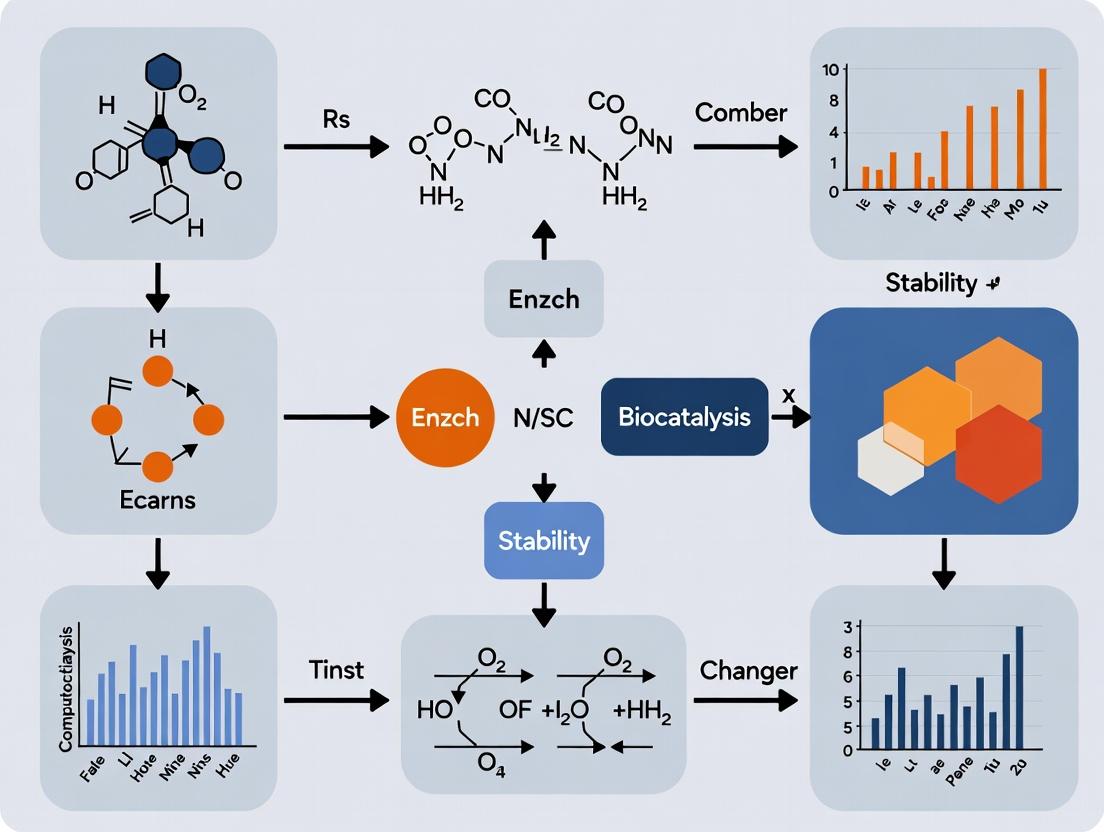
The promise of computationally designed enzymes for drug development and synthetic biology is frequently hampered by protein misfolding, which leads to aggregation, instability, and loss of function.
Taming the Fold: Strategies to Overcome Misfolding in Computationally Designed Enzymes for Biomedical Applications
Abstract
The promise of computationally designed enzymes for drug development and synthetic biology is frequently hampered by protein misfolding, which leads to aggregation, instability, and loss of function. This article provides a comprehensive analysis for researchers and drug development professionals, covering the fundamental biophysical principles of misfolding, cutting-edge design and refolding methodologies, practical troubleshooting and optimization techniques, and rigorous validation frameworks. We synthesize current best practices to bridge the gap between in silico design and functional, soluble protein expression, outlining a pathway toward more reliable enzyme engineering for therapeutic and industrial use.
The Misfolding Problem: Why Computationally Designed Enzymes Fail to Adopt Their Native State
Technical Support Center: Troubleshooting Computationally Designed Enzymes
This support center addresses common experimental challenges in translating in silico designed enzymes into functional in vivo systems, with a focus on resolving misfolding and aggregation issues.
FAQs & Troubleshooting Guides
Q1: After transforming our E. coli expression host with the plasmid for our novel computationally designed hydrolase, we observe high protein expression but only in inclusion bodies. What are the primary troubleshooting steps?
A: This indicates successful transcription/translation but failure of the polypeptide to reach its native fold. Implement this systematic approach:
- Reduce Expression Rate: Lower the induction temperature (e.g., from 37°C to 16-18°C) and use a lower concentration of inducer (e.g., 0.1 mM IPTG). This slows translation, giving chaperones more time to assist folding.
- Co-express Chaperones: Use plasmids co-expressing GroEL-GroES or DnaK-DnaJ-GrpE chaperone systems.
- Screen Solubility Tags: Fuse the enzyme N- or C-terminus with tags like MBP, Trx, or SUMO. Test constructs in parallel.
- Optimize Buffers: During lysis, use buffers containing arginine, glycerol, or non-denaturing detergents to reduce aggregation.
- Verify Sequence: Re-sequence the gene in the expression plasmid to rule out PCR errors introduced during cloning from the synthesized DNA.
Q2: Our designed enzyme shows excellent in vitro activity on a purified substrate, but demonstrates no metabolic function in the engineered yeast chassis. Where should we begin debugging?
A: This points to a cellular context problem. Investigate:
- Substrate Access: Is your substrate reaching the intended cellular compartment? Verify localization signals on your enzyme and substrate permeability.
- Cofactor/Biometal Availability: Does your design require a cofactor (e.g., NADH, FAD) or metal ion (e.g., Zn²⁺, Mg²⁺)? Ensure the host can produce or import it at sufficient levels. Consider engineering cofactor biosynthesis pathways.
- Post-Translational Modifications (PTMs): Does the design require PTMs (e.g., disulfide bonds, phosphorylation) not supported in your host? Switch hosts (e.g., yeast for disulfides) or consider enzyme designs that avoid PTM requirements.
- pH/Oxidative Environment: The intracellular pH or redox potential may differ from your in vitro assay, affecting active site residues.
Q3: During directed evolution to improve folding, we see a trade-off where solubility increases but catalytic activity (kcat) plummets. How can we overcome this?
A: This common frustration suggests selection for stabilizing, but disruptive, mutations. Change your screening strategy:
- Use a Dual-Selection Reporter: Employ a system where cell survival requires both solubility and enzymatic activity. An example is a split-GFP or TEM-1 β-lactamase fusion for solubility, coupled with a growth-based assay on a required substrate.
- Employ Deep Mutational Scanning: Use high-throughput sequencing to profile the fitness effects of all single mutations, identifying positions that tolerate variation without loss of function.
- Focus on Active Site Proximity: Limit random mutagenesis to regions outside the active site shell (e.g., >10Å from the catalytic residues), focusing on surface and core-packing residues to improve folding.
Experimental Protocols
Protocol 1: High-Throughput Solubility Screening Using GFP Fusion Purpose: To rapidly identify variants of a designed enzyme with improved folding yield in E. coli. Method:
- Clone library of enzyme variants into a vector encoding a C-terminal GFP tag, separated by a flexible linker.
- Transform library into expression host (e.g., BL21(DE3)).
- Plate colonies on agar with inducer. Using a fluorescence plate reader, measure two signals per colony:
- Total Protein Fluorescence: After permeabilization with lysozyme/DMSO.
- Intracellular GFP Fluorescence: Directly from live cells.
- Calculate a Solubility Index = (Intracellular Fluorescence / Total Fluorescence). High index indicates proper folding and solubility.
- Isolate hits for purification and characterization.
Protocol 2: Assessing In Vivo Folding Efficiency via Pulse-Chase & Immunoprecipitation Purpose: To determine if misfolding leads to rapid degradation of your designed enzyme in a eukaryotic host. Method:
- Transfect your enzyme construct (with an epitope tag) into mammalian (HEK293) or yeast cells.
- Pulse: Incubate cells in methionine/cysteine-deficient medium for 15 min, then add ³⁵S-labeled Met/Cys for 10 min.
- Chase: Replace medium with excess unlabeled Met/Cys.
- Harvest cell aliquots at chase times (0, 15, 30, 60, 120 min).
- Lyse cells and perform immunoprecipitation using antibody against the epitope tag.
- Resolve precipitated proteins by SDS-PAGE. Visualize and quantify the radiolabeled protein band using a phosphorimager.
- A short half-life (<30 min) suggests recognition by cellular quality control and targeting to the proteasome.
Data Presentation
Table 1: Impact of Chaperone Co-expression on Solubility Yield of Designed Enzymes
| Designed Enzyme Class | No Chaperone (% Soluble) | GroEL/ES Co-expression (% Soluble) | DnaK/J/GrpE Co-expression (% Soluble) | Combined Chaperone Systems (% Soluble) |
|---|---|---|---|---|
| TIM Barrel Hydrolase | 12% | 45% | 38% | 51% |
| Rossmann Fold Oxidoreductase | 8% | 22% | 65% | 60% |
| β-Lactamase De Novo Fold | <5% | 15% | 18% | 28% |
Table 2: Comparison of Solubility Tag Efficacy for Aggregation-Prone Designs
| Solubility Tag | Avg. Solubility Increase | Required Cleavage Protocol | Potential for Interference with Activity |
|---|---|---|---|
| MBP (Maltose-Binding Protein) | 8.5x | TEV or Factor Xa protease | Moderate (large size) |
| SUMO (Small Ubiquitin-like Modifier) | 6.2x | SUMO Protease (highly specific) | Low |
| Trx (Thioredoxin) | 4.1x | Enterokinase | Low |
| NusA | 7.0x | Thrombin | High (can dimerize) |
Diagrams
Workflow from Computational Design to Cellular Outcome
Cellular Fate of a Misfolded Designed Protein
The Scientist's Toolkit: Research Reagent Solutions
| Reagent / Material | Primary Function in Addressing Misfolding |
|---|---|
| pGro7 / pKJE7 Vectors | Takara Bio plasmids for inducible co-expression of GroEL/ES or DnaK/J/GrpE chaperone systems in E. coli. |
| SUMOstar Fusion System | (LifeSensors) A solubility tag system with highly specific protease for clean removal, minimizing interference. |
| HaloTag | (Promega) Covalent tag enabling irreversible binding to solid supports; useful for pulldown of misfolded aggregates. |
| Tandem Fluorescent Timer (tFT) | A genetically encoded reporter (fast-maturing GFP, slow-maturing RFP) to assess folding kinetics in real-time. |
| MG132 / Bortezomib | Proteasome inhibitors used in eukaryotic cells to confirm if misfolded designs are being degraded. |
| Cycloheximide | Translation inhibitor used in chase experiments to monitor degradation rate of expressed protein. |
| Proteostat / Aggresome Detection Kit | (Enzo) Fluorescent dyes for specific detection of protein aggregates in fixed or live cells. |
| n-Dodecyl-β-D-Maltoside (DDM) | Mild, non-denaturing detergent for extracting membrane proteins or solubilizing mild aggregates. |
Technical Support Center
Troubleshooting Guide & FAQs
Q1: My computationally designed enzyme shows high expression yield but zero activity. Analysis suggests misfolding. What are the first biophysical parameters to check?
A: Focus on kinetic traps. High yield with no activity often indicates a stable, but non-native, misfolded state. Follow this protocol:
- Perform a Thermal Shift Assay (TSA): Monitor unfolding with a fluorescent dye (e.g., SYPRO Orange). A significantly lower melting temperature (Tm) than wild-type or a broad, multiphasic transition suggests a less stable or heterogeneously folded population.
- Analyze Aggregation Propensity In Silico: Use tools like
TANGO,AGGRESCAN, orZyggregatorto identify exposed hydrophobic patches or sequences with high β-sheet propensity introduced by your design. - Run Native PAGE vs. SDS-PAGE: Discrepancies in apparent molecular weight can indicate compact misfolded monomers or small soluble oligomers.
Protocol: Thermal Shift Assay for Folded State Stability
- Reagents: Purified protein sample (0.2 mg/mL in suitable buffer), SYPRO Orange dye (5000X stock), qPCR-compatible plates, real-time PCR instrument.
- Method:
- Prepare a master mix of protein buffer and SYPRO Orange dye at a final 1X concentration.
- Aliquot 20 µL of protein sample and 20 µL of dye/master mix into each well (final volume 40 µL). Include a buffer-only control.
- Seal the plate and centrifuge briefly.
- Run in a real-time PCR instrument with a temperature gradient from 25°C to 95°C, with a ramp rate of 1°C/min, monitoring the ROX/FAM channel (excitation ~470 nm, emission ~570 nm).
- Plot fluorescence vs. temperature. The Tm is the inflection point of the sigmoidal curve.
Q2: During in vitro refolding experiments, my protein forms aggregates. How can I distinguish between aggregation due to high propensity vs. kinetic frustration?
A: This requires competition experiments between folding and aggregation pathways.
- Dilution Refolding Kinetics: Rapidly dilute denatured protein into refolding buffer. Use light scattering (at 350 nm or 600 nm) to monitor aggregate formation simultaneously with a fold-sensitive signal (e.g., tryptophan fluorescence or activity assay).
- Vary Initial Denaturant Concentration: A lag phase in aggregation that depends on denaturant concentration suggests a kinetic trap (a misfolded monomeric intermediate) is precursor to aggregation. Immediate, concentration-dependent aggregation suggests innate high aggregation propensity of the unfolded state.
Protocol: Simultaneous Monitoring of Refolding & Aggregation
- Reagents: Urea/GdmCl-denatured protein, refolding buffer, fluorimeter with stirring cuvette.
- Method:
- Denature protein at >6M GdmCl for >2 hours.
- In a cuvette with stirring, place refolding buffer.
- Set fluorimeter to record tryptophan fluorescence (ex 280 nm, em 340 nm) for folding and light scattering (ex 350 nm, em 350 nm) for aggregation.
- Rapidly inject a small volume of denatured protein to initiate refolding (final [protein] ~0.1-0.5 mg/mL).
- Plot both signals vs. time. Correlate the lag/rise times.
Q3: How do I identify "frustrated" interactions in a computationally designed protein structure model that might lead to misfolding?
A: Frustration refers to competing incompatible interactions that prevent the smooth funneling to the native state.
- Perform In Silico Frustration Analysis: Use the Frustratometer server (frustratometer.tk) or similar tools. It identifies energetically frustrated residues (where interactions are weaker than optimal) and minimally frustrated residues (key stabilizing interactions).
- Map Frustration: Analyze the design for "local frustration" – clusters of highly frustrated residues often indicate regions prone to misfolding or alternative interactions.
- Check Core Packing: Use Rosetta's
packstatorFaDunmetrics. Poor core packing (holes, cavities) creates internal frustration and can promote collapse into non-native topologies.
Table 1: Common Aggregation Propensity Predictor Tools & Outputs
| Tool Name | Principle | Key Output Metric | Typical Threshold for "High Risk" |
|---|---|---|---|
| TANGO | Statistical mechanics of β-sheet formation | % sequence aggregation prone | >5% residues in aggregation nucleus |
| AGGRESCAN | Amino Acid Propensity (A4V) scale | Average Aggregation Propensity (Avg4) | >0 (Positive value indicates risk) |
| Zyggregator | Physicochemical properties (hydrophobicity, charge) | Zagg score (Z-score) | >0 (Higher = more aggregation-prone) |
| CamSol | Solubility based on sequence | Intrinsic & pH-dependent solubility score | Score < 0 for intrinsic solubility |
Table 2: Experimental Signatures of Misfolding Roots
| Observation | Likely Primary Root | Supporting Experiment to Confirm |
|---|---|---|
| Low yield, insoluble inclusion bodies | High Aggregation Propensity | Predictor scores, in vitro aggregation kinetics |
| Soluble but inactive protein, broad Tm | Kinetic Traps (Misfolded Monomer) | Native PAGE, Hydrogen-Deuterium Exchange (HDX-MS) |
| Multiple conformations, slow folding | Topological Frustration | Phi-value analysis, Frustratometer mapping |
The Scientist's Toolkit: Research Reagent Solutions
Table 3: Essential Reagents for Misfolding Analysis
| Reagent / Material | Function in Troubleshooting Misfolding |
|---|---|
| SYPRO Orange Dye | Binds exposed hydrophobic patches; used in Thermal Shift Assays to monitor protein unfolding/ stability. |
| Thioflavin T (ThT) | Fluorescent dye that specifically binds amyloid-like β-sheet structures in aggregates. |
| ANS (1-Anilino-8-naphthalene sulfonate) | Polarity-sensitive dye that fluoresces upon binding solvent-exposed hydrophobic clusters in molten globules or misfolded states. |
| Size-Exclusion Chromatography (SEC) Standards | High/low molecular weight standards to calibrate columns for identifying oligomers vs. monomers. |
| Urea / Guanidine HCl (GdmCl) | Chemical denaturants for preparing unfolded starting material in refolding kinetics experiments. |
| Chaperone Proteins (e.g., GroEL/ES, DnaK) | Used in refolding assays to test if aggregation is due to kinetic competition; chaperones can rescue kinetically trapped intermediates. |
| Protease K (Limited Proteolysis) | Probe for stable, protected folded cores vs. disordered/unprotected regions in misfolded conformations. |
Experimental Workflow & Pathway Diagrams
Title: Misfolding Troubleshooting Decision Tree
Title: Energy Landscape of Folding & Misfolding
Troubleshooting Guides & FAQs
Frequently Asked Questions
Q1: Why does my computationally designed enzyme, which has an excellent ΔΔG (folding stability) score, show extremely low expression and no activity in E. coli?
A: This is the core issue addressed by the thesis. A favorable in silico ΔΔG score reflects stability in isolation under ideal conditions. Cellular fitness introduces confounding variables:
- Translation Speed: The codon optimization for your host may be poor, leading to ribosome stalling and misfolding during synthesis.
- Proteostatic Pressure: The cellular protein quality control (chaperone) system may recognize even stable folds as "non-native" and target them for degradation.
- Solvent & Crowding: The in cellula environment is crowded, with differential pH and ion concentrations versus the computational simulation's implicit solvent model.
- Post-translational Modifications: Lack of required modifications in the expression host can destabilize the fold.
Recommended Protocol: Run a Pulse-Chase Experiment coupled with immunofluorescence.
- Grow two cultures of expressing cells to mid-log phase.
- Pulse: Add a radiolabeled amino acid (e.g., ^35^S-Met/Cys) for 2 minutes.
- Chase: Add excess unlabeled amino acid. Take samples at t=0, 2, 5, 15, 30, 60 min post-chase.
- Immunoprecipitate your enzyme and analyze by SDS-PAGE/autoradiography to quantify protein half-life.
- In parallel, fix cells for immunofluorescence to assess aggregation (punctate signal vs. diffuse).
Q2: How can I diagnose if proteostasis network interference is causing the loss of my designed protein?
A: Co-express your designed enzyme with key chaperones or use strains with compromised degradation pathways.
| Experimental Strain/Modification | Target Pathway | Expected Outcome if Issue is Present |
|---|---|---|
| Δlon clpA clpP mutant | ATP-dependent proteolysis | Increased recovery of full-length protein. |
| Co-expression of GroEL-GroES | Chaperonin-assisted folding | Improved soluble yield & activity. |
| Co-expression of DnaK-DnaJ-GrpE | Hsp70 system stabilization | Prevention of aggregation during synthesis. |
| Addition of bortezomib (5 µM) to media | Proteasome inhibition (eukaryotic hosts) | Accumulation of ubiquitinated species. |
Experimental Protocol: Chaperone Co-expression & Western Blot Analysis.
- Clone your enzyme into a vector with a medium-copy origin and a selective marker (e.g., Amp^R^).
- Transform into cells containing a compatible plasmid expressing a chaperone system (e.g., pGro7 for GroEL/ES) or into mutant strains.
- Induce both your enzyme and the chaperone (if using an inducible system like araBAD) at 30°C (to reduce folding stress).
- After 4-6 hours, lyse cells via sonication in a mild, non-denaturing buffer (e.g., 50 mM Tris-HCl, pH 7.5, 150 mM KCl, 1 mM DTT).
- Centrifuge at 16,000 x g for 30 min at 4°C to separate soluble (supernatant) and insoluble (pellet) fractions.
- Analyze equal proportions of total, soluble, and pellet fractions by SDS-PAGE and western blot using an anti-tag antibody.
Q3: My Rosetta/FoldX stability calculations conflict with my thermal shift assay (TSA) results. Which should I trust for predicting cellular behavior?
A: Trust the experimental TSA more, but contextualize it. Computational scores are proxies. TSA provides a direct in vitro measurement (Tm). The gap between Tm and cellular performance highlights the "energetic landscape" problem.
Protocol: Differential Scanning Fluorimetry (Thermal Shift Assay).
- Purify: Isolate your designed enzyme via affinity chromatography under native conditions.
- Mix: Combine 5 µM protein with 5X SYPRO Orange dye in a standard PCR buffer (e.g., 50 mM HEPES, pH 7.5, 100 mM NaCl). Final volume: 20 µL in a 96-well PCR plate.
- Run: Use a real-time PCR machine with a gradient function. Ramp temperature from 25°C to 95°C at a rate of 1°C per minute, measuring fluorescence (ROX/FAM channel).
- Analyze: Plot the negative first derivative of fluorescence vs. temperature. The minimum point is the Tm. Compare with the wild-type or a positive control.
| Stability Metric | Typical Experiment | What It Measures | Limitation for Cellular Prediction |
|---|---|---|---|
| ΔΔG (Rosetta/FoldX) | In silico mutation scanning | Computed free energy change of folding. | Ignores kinetic traps, co-translational folding, and cellular components. |
| Tm (TSA/DSF) | In vitro purified protein | Thermal melting point; global structural stability. | Measured in dilute, ideal buffer. No competing proteins or degradation. |
| t½ (Pulse-Chase) | In cellula experiment | Functional half-life within the cell. | Directly measures cellular fitness but is resource-intensive. |
The Scientist's Toolkit: Research Reagent Solutions
| Item | Function in This Context |
|---|---|
| pET Expression Vectors (Novagen) | Standard, high-expression systems for testing in E. coli with various N/C-terminal tags (His, GST, MBP). |
| Chaperone Plasmid Kits (Takara Bio) | e.g., pGro7 (GroEL/ES), pKJE7 (DnaK/DnaJ/GrpE). Essential for testing proteostasis network rescue. |
| SYPRO Orange Protein Gel Stain (Thermo Fisher) | Environment-sensitive dye for Thermal Shift Assays to monitor protein unfolding. |
| ^35^S-Methionine/Cysteine (PerkinElmer) | Radiolabel for pulse-chase experiments to track de novo protein synthesis and degradation. |
| cOmplete EDTA-free Protease Inhibitor (Roche) | Prevents post-lysis degradation during protein purification for accurate stability analysis. |
| Anti-PolyHistidine Antibody, HRP-conjugated (Sigma-Aldrich) | Standard for western blot detection of His-tagged designed enzymes across fractions. |
| Proteasome Inhibitor (MG-132/Bortezomib) | For eukaryotic (yeast/mammalian) experiments, to test if degradation pathway is responsible for loss. |
Experimental Workflow & Pathway Diagrams
Workflow for Diagnosing the Stability-Fitness Gap
Cellular Proteostasis Pathways Impacting Designed Enzymes
Technical Support Center
Troubleshooting Guide: Common Issues in De Novo Enzyme Design
Issue 1: Designed Enzymes Exhibit No Catalytic Activity
- Possible Cause: Catalytic triads or dyads are geometrically misaligned in the folded state due to inaccurate side-chain rotamer placement during design.
- Solution: Perform molecular dynamics (MD) simulations to assess conformational flexibility and positional variance of key residues. Consider using more flexible backbone templates in the initial design phase.
- Protocol Reference: See "Protocol 1: MD-Based Validation of Active Site Geometry."
Issue 2: High Aggregation Propensity and Poor Solubility
- Possible Cause: Hydrophobic core design is imperfect, exposing non-polar residues, or surface electrostatic charge is unbalanced.
- Solution: Analyze the designed sequence with tools like AGGRESCAN or TANGO. Redesign surface residues to optimize charge distribution (e.g., increase negative charge for E. coli expression). Introduce stabilizing mutations (e.g., salt bridges).
- Protocol Reference: See "Protocol 2: In Silico Solubility and Aggregation Propensity Screening."
Issue 3: Misfolded States Dominating the Population
- Possible Cause: The computational energy function favors an alternative, non-native low-energy state over the designed fold.
- Solution: Employ conformational sampling (e.g., using Rosetta's
relaxprotocol or folding@home) to identify competing low-energy states. Redesign to increase the energy gap between the native and misfolded states. - Protocol Reference: See "Protocol 3: Identifying and Disfavoring Competing Misfolded States."
Issue 4: Low Thermostability (Tm < 40°C)
- Possible Cause: Insufficient consolidation of the hydrophobic core and lack of stabilizing long-range interactions (e.g., hydrogen bonds, proline packing).
- Solution: Use consensus design or ancestral sequence reconstruction to infer stabilizing mutations. Employ computational tools like FRESCO or PROSS to suggest stabilizing point mutations.
- Protocol Reference: See "Protocol 4: Computational Stability Enhancement Scan."
Frequently Asked Questions (FAQs)
Q1: Our designed enzyme folds correctly according to circular dichroism (CD) but shows no activity. Where should we start debugging? A: Confirm the integrity of the active site. Use a combination of site-directed mutagenesis of catalytic residues (should abolish any residual activity) and a binding assay (e.g., isothermal titration calorimetry) to check if substrates/cofactors still bind. Misfolding may be localized to the active site pocket.
Q2: What are the most common sources of failure in the de novo enzyme design pipeline? A: Based on recent literature, failures often stem from: 1) Over-reliance on static crystal structures without considering dynamics, 2) Inaccuracies in the solvation and electrostatic terms of the energy function, and 3) The "frameshift" problem where the backbone adopts a register shift relative to the design model.
Q3: How can we distinguish between a total misfold and a partially active, suboptimal design? A: Employ a tiered experimental characterization:
- Global Structure: Size-exclusion chromatography (multi-angle light scattering) for monomericity, CD for secondary structure.
- Local Structure: NMR chemical shift mapping or hydrogen-deuterium exchange mass spectrometry (HDX-MS) to probe specific regions.
- Function: Use highly sensitive kinetic assays (e.g., fluorescence, LC-MS) to detect even minimal turnover (kcat << 0.01 min⁻¹).
Q4: Which computational metrics best predict successful folding in vitro? A: No single metric is perfect. A combination is required. Key metrics from recent studies are summarized below:
Table 1: Predictive Computational Metrics for Design Success
| Metric | Calculation Tool | Typical Threshold for Success | What It Indicates |
|---|---|---|---|
Rosetta ddG |
Cartesian_ddg |
≤ -15 REU | Overall stability of the designed fold. |
| PSSM Score | PSI-BLAST, HHblits | Positive (native-like) | Evolutionary plausibility of the sequence. |
| pLDDT | AlphaFold2 | ≥ 85 (per-residue) | Local model confidence; high confidence correlates with correct folding. |
| Aggregation Score | AGGRESCAN3D | ≤ 0 (Hot Spot Sum) | Low propensity for amyloid-like aggregation. |
Detailed Experimental Protocols
Protocol 1: MD-Based Validation of Active Site Geometry
- Prepare System: Solvate the designed model in a cubic water box (e.g., TIP3P) with 150 mM NaCl using tools like
tleap(AmberTools) orgmx pdb2gmx(GROMACS). - Minimize & Equilibrate: Perform energy minimization (5000 steps), followed by NVT (100 ps) and NPT (200 ps) equilibration at 300K and 1 bar.
- Production Run: Run an unrestrained MD simulation for 100-500 ns. Replicate 3x with different random seeds.
- Analyze: Measure the distances and angles between catalytic residues (e.g., Oγ of Ser, Nε2 of His, Oδ of Asp) over the trajectory. Calculate the % simulation time the geometry remains within ±0.5 Å and ±20° of the design target.
Protocol 2: In Silico Solubility and Aggregation Propensity Screening
- Input: FASTA file of the designed sequence.
- Run AGGRESCAN: Use the web server or local version. Input sequence and run under default parameters ("in vivo" mode for E. coli).
- Analyze Output: Focus on the "Hot Spot" regions. Redesign sequences with a positive "Hot Spot Sum" or high aggregation-prone peaks.
- Run DeepSol: Use the web server to predict solubility scores (range 0-1). Designs scoring below 0.5 have high risk.
Protocol 3: Identifying and Disfavoring Competing Misfolded States
- Generate Decoys: Use Rosetta's
fast_relaxprotocol on the designed structure with constraints softened or removed to generate 5,000-10,000 alternative conformations. - Cluster Structures: Cluster decoys based on backbone RMSD using the
cluster.linuxgccreleaseapplication. - Analyze Low-Energy Clusters: Identify the 3-5 largest clusters with the lowest Rosetta energy scores (not the designed cluster).
- Redesign: Manually inspect these misfolded clusters. Add Rosetta constraints (e.g.,
AtomPair,Angle) to the design blueprint to specifically disfavor the most prevalent misfolded contacts.
Protocol 4: Computational Stability Enhancement Scan
- Prepare Input: Use the designed structure (cleaned PDB file).
- Run PROSS: Submit the structure and sequence to the PROSS web server. Select the host organism (e.g., E. coli) for stability optimization.
- Analyze Results: Review the top 10 design proposals. PROSS outputs stability scores (ΔΔG predicted) and a homology score. Select designs with the largest predicted ΔΔG improvement while maintaining >90% homology to the original design.
- Experimental Test: Express and purify the top 3-5 PROSS-designed variants and measure melting temperature (Tm) via differential scanning fluorimetry (DSF).
Visualizations
Title: Diagnostic Workflow for Enzyme Design Failures
Title: De Novo Enzyme Design Pipeline with Feedback
The Scientist's Toolkit: Research Reagent Solutions
Table 2: Essential Reagents for Characterizing Designed Enzymes
| Item | Function in Context | Example/Supplier Note |
|---|---|---|
| Rosetta Software Suite | Core platform for de novo protein design and energy-based scoring. | RosettaCommons; use enzdes and fixbb applications for catalytic site and full sequence design. |
| AlphaFold2 (ColabFold) | Rapid protein structure prediction to assess if the designed sequence folds into the intended conformation. | Use local or cloud (ColabFold) version; pLDDT score is a key confidence metric. |
| GROMACS/AMBER | Molecular dynamics simulation packages to evaluate stability and active site dynamics of designs. | Critical for identifying transient misfolding or flexible, misaligned catalytic residues. |
| NEB Gibson Assembly Master Mix | Cloning and rapid site-directed mutagenesis kit for constructing expression vectors of designed variants. | Essential for high-throughput testing of design iterations and stability mutations. |
| Cytiva HisTrap HP Column | Standard immobilized metal affinity chromatography for purifying His-tagged designed proteins. | First-step purification after expression in E. coli or other systems. |
| Promega Nano-Glo Luciferase Assay Substrate | Ultra-sensitive detection reagent for luminescence-based activity assays if design links activity to luciferase. | Useful for detecting very low levels of enzymatic activity in initial designs. |
| Thermo Fisher SYPRO Orange Dye | Fluorescent dye for differential scanning fluorimetry (DSF) to measure protein melting temperature (Tm). | High-throughput method to screen for stabilizing mutations (Protocol 4). |
| Jasco Spectropolarimeter | Instrument for circular dichroism (CD) spectroscopy to assess secondary structure content and folding. | Confirms global fold; compares spectra of designed protein vs. natural scaffolds. |
Building to Fold: Design Strategies and Refining Methodologies for Soluble Enzymes
Technical Support & Troubleshooting Center
Frequently Asked Questions (FAQs)
Q1: AGGRESCAN returns a high aggregation score for my entire designed enzyme sequence. What are the primary steps to resolve this? A1: A uniformly high score often indicates a fundamental design issue.
- Step 1: Run the sequence through CamSol to identify both soluble and insoluble regions. CamSol's intrinsic profile can pinpoint "hot spots" of insolubility.
- Step 2: Use the "Hot Spot" map from AGGRESCAN and the profile from CamSol to guide mutations. Focus on replacing hydrophobic residues in high-score regions with polar or charged residues (e.g., Ile/Leu/Val → Lys/Arg/Ser).
- Step 3: Implement these mutations in your structural model and re-run the prediction with Solubis. Solubis accounts for structural context and can validate if your mutations improve stability without disrupting the active site.
- Step 4: Iterate. Use a combination of tools until the aggregation propensity is reduced to an acceptable threshold (see Table 1).
Q2: Solubis suggests mutations that conflict with my catalytic site residues. How should I proceed? A2: This is a common trade-off between solubility and function.
- Action: Prioritize mutations in regions distal to the active site (>10 Å recommended). Use Solubis' structural output to visually confirm the distance.
- Alternative Strategy: If the problematic region is near the active site, consider adding solubility-enhancing tags (e.g., GST, MBP) for experimental expression, or explore circular permutation of your enzyme design to relocate the aggregation-prone segment.
Q3: CamSol gives a favorable intrinsic solubility profile, but AGGRESCAN still flags specific short segments. Which tool should I trust? A3: Trust both; they provide complementary information.
- Interpretation: CamSol's intrinsic profile assesses overall sequence propensity, while AGGRESCAN is specifically sensitive to short, linear aggregation-prone regions ("hot spots").
- Resolution: Target the specific 5-7 residue peptides identified by AGGRESCAN for mutation, even if the overall CamSol score is good. These short segments can act as nucleation points for aggregation.
Q4: After implementing suggested mutations from predictors, my enzyme expresses but is inactive. What is the likely cause? A4: The mutations may have over-stabilized or rigidified a dynamic region necessary for catalysis.
- Troubleshooting Path:
- Check if mutations introduce charged residues that could disrupt critical electrostatic networks in the active site.
- Use a molecular dynamics (MD) simulation package (e.g., GROMACS) to briefly assess if the mutant structure has lost essential flexibility.
- Revert a subset of mutations, focusing on keeping those in loops or termini, and retest.
Table 1: Comparison of Misfolding & Solubility Prediction Tools
| Tool | Core Algorithm | Key Output | Typical Runtime | Optimal Use Case in Design Pipeline | Citation / Source |
|---|---|---|---|---|---|
| AGGRESCAN | Aggregation Propensity based on amino acid aggregation scales (from in vivo experiments). | Aggregation profile, "Hot Spot" identification, average aggregation score (Na4vSS). | Seconds to minutes. | Early sequence-based scan for linear aggregation-prone regions. | Conchillo-Solé et al., BMC Bioinformatics (2007) |
| CamSol | Intrinsic solubility profile calculated from sequence using physicochemical properties. | Intrinsic solubility profile, automated design of soluble variants. | Seconds. | Assessing overall solubility and guiding initial mutation design. | Sormanni et al., J. Mol. Biol. (2015) |
| Solubis | Structure-based; integrates FoldX stability calculations with aggregation propensity. | Solubility score (S), stability score (ΔΔG), list of beneficial point mutations. | Minutes (requires 3D structure). | Post-structural design optimization, balancing solubility and stability. | Goldschmidt et al., Protein Sci. (2007); Update: Recent versions integrate Rosetta protocols for improved accuracy. |
Experimental Protocols
Protocol: Integrated Computational Workflow for Mitigating Misfolding in De Novo Enzyme Designs
Objective: To reduce the aggregation propensity of a computationally designed enzyme while maintaining structural integrity and catalytic potential.
Materials & Software:
- Input: Amino acid sequence and/or 3D structural model (.pdb file) of the designed enzyme.
- Tools: AGGRESCAN web server, CamSol web server, Solubis (standalone or web server), molecular visualization software (e.g., PyMOL, ChimeraX).
- Output: A list of validated point mutations for experimental testing.
Methodology:
- Initial Sequence Assessment:
- Submit the raw amino acid sequence to AGGRESCAN. Note the "Hot Spot" residues (default threshold: Na4vSS > 0).
- Submit the same sequence to CamSol (intrinsic mode). Note regions with solubility scores below -1.
- Cross-reference outputs to create a consensus map of problematic residues.
Design of Soluble Variants:
- Input the sequence into CamSol in "Design Mode" to obtain a list of solubility-enhancing mutations. Filter out mutations in known active site residues (from your design blueprint).
- Alternatively, use the manual approach: For each consensus problematic residue, consider replacing it with a residue from CamSol's favorable list (e.g., D, E, R, K, S). Avoid prolines in secondary structure elements.
Structure-Based Validation & Optimization:
- Generate a 3D model of your initial mutant design using Rosetta or a similar folding/packaging protocol.
- Submit this model to Solubis.
- Analyze the Solubis output. Its recommended mutations are pre-calculated for stability (ΔΔG) and solubility (S). Prioritize mutations with ΔΔG < 0 (more stable) and S > 0 (more soluble).
- In your molecular viewer, inspect top-ranked mutations to ensure they do not introduce steric clashes or disrupt key interactions.
Iterative Refinement:
- Incorporate the top 3-5 Solubis mutations into your model.
- Re-run the sequence through AGGRESCAN and CamSol to confirm improved scores.
- Repeat steps 3-4 until aggregation propensity is minimized (target: no major "Hot Spots" in AGGRESCAN, positive overall CamSol score).
Visualization: Integrated Misfolding Prediction Workflow
Diagram Title: Computational workflow for enzyme solubility optimization.
The Scientist's Toolkit: Research Reagent Solutions
Table 2: Essential Resources for Computational Misfolding Analysis
| Item / Resource | Function / Purpose | Typical Format / Example |
|---|---|---|
| Rosetta Software Suite | Protein structure prediction, design, and refinement. Used to generate and relax 3D models for input into Solubis. | Command-line tools: rosetta_scripts, relax. |
| FoldX Force Field | Rapid energy-based evaluation of protein stability and interactions. The core engine for stability calculations in Solubis. | Integrated into Solubis; also available as standalone tool (FoldX5). |
| PyMOL or UCSF ChimeraX | Molecular visualization software. Critical for inspecting structural models, mutant placements, and distances to active sites. | Desktop application with scripting capabilities. |
| UniProtKB | Comprehensive protein sequence and functional information database. Used to verify wild-type sequences and functional annotations. | Web database (uniprot.org). |
| Python/Biopython | Scripting environment to automate analysis, parse output files from different tools, and manage mutation lists. | Jupyter notebooks or Python scripts. |
| Thermal Shift Assay Kits | Experimental Validation: Measure protein thermal stability (Tm) to confirm computational predictions of improved stability. | Commercial kits (e.g., Prometheus, Thermofluor). |
| Size-Exclusion Chromatography | Experimental Validation: Assess aggregation state (monomer vs. oligomer) of purified protein variants. | HPLC or FPLC system with SEC column. |
Technical Support Center
Troubleshooting Guides & FAQs
Q1: My computationally designed enzyme expresses in E. coli but is entirely insoluble. The native-state stability score (ΔG) was favorable. What are the primary troubleshooting steps? A: A favorable in silico ΔG calculation often only considers the final folded state, not the kinetic traps in the folding pathway. Follow this systematic guide:
- Check Expression Conditions: Reduce expression temperature (e.g., to 18-25°C), use a lower inducer concentration (e.g., 0.1 mM IPTG), and shorten induction time (2-4 hours).
- Co-Expression of Chaperones: Co-express with folding facilitators like GroEL/GroES (pGro7 plasmid) or TF (pTF16). Test combinations.
- Solubility Tag Screening: Redesign construct with different N- or C-terminal solubility tags (e.g., MBP, GST, Sumo). Test small-scale expressions and compare.
- In Silico Pathway Analysis: Re-run design through servers like FoldRate or PathFinder to predict regions of kinetic frustration. Mutate predicted non-native hydrophobic patches to polar residues (e.g., Ile/Leu → Ser/Thr).
- Refolding Screening: Purify inclusion bodies and screen a matrix of refolding buffers varying pH, redox conditions, and denaturant dilution rates.
Q2: The designed enzyme is soluble but shows no catalytic activity. Circular Dichroism confirms secondary structure, but thermal stability is low (Tm < 45°C). What does this indicate? A: This indicates a misfolded or partially folded state that is kinetically trapped—a "folding pathway" problem. The structure is not reaching the precise, stable native conformation required for function.
- Step 1: Perform a Limited Proteolysis assay with trypsin or proteinase K at low concentration. Compare the fragmentation pattern over time against a stable, native control protein. A diffuse banding pattern suggests conformational heterogeneity/malleability.
- Step 2: Conduct a Thermal Shift Assay with a hydrophobic dye (e.g., SYPRO Orange) across a pH gradient (pH 5-9). A broad, low-temperature melt curve confirms a poorly organized structure.
- Step 3: Apply Hydrogen-Deuterium Exchange Mass Spectrometry (HDX-MS) if available. This will identify regions with high solvent exchange, revealing dynamically disordered loops or cores that failed to pack.
Q3: How can I computationally identify and fix "folding traps" during the design phase, before synthesis? A: Integrate kinetic funnel models into your Rosetta/AlphaFold2 pipeline.
- Protocol: Simulated Annealing for Pathway Sampling
- Start with your designed sequence and its native-state model.
- Apply a mild denaturing force field (e.g., scaled-down van der Waals terms) in molecular dynamics (MD) or Monte Carlo simulations.
- Run multiple (~100) short simulations from extended or partially unfolded states.
- Cluster the simulation snapshots not by RMSD to native, but by persistent non-native contact maps.
- Identify contacts (e.g., between residues i and j) that appear in >70% of non-native clusters but are absent in the native state. These are likely kinetic traps.
- Redesign: Mutate one residue in each persistent non-native pair to disrupt the misfolded contact while preserving native contacts. Favor charged or polar substitutions.
Q4: What experimental techniques are best for validating a corrected folding pathway post-redesign? A: Use techniques that probe folding kinetics and intermediate states.
- Protocol: Stopped-Flow Fluorescence Kinetics
- Labeling: Introduce a single cysteine at a strategic, solvent-exposed position in a critical element (e.g., active site loop). Label with a fluorescence probe (e.g., Alexa Fluor 488 maleimide).
- Unfolding/Refolding: Using a stopped-flow apparatus, rapidly mix the folded protein with a denaturant (e.g., 6 M GdnHCl) to unfold, then rapidly dilute to initiate refolding.
- Monitoring: Track fluorescence change over milliseconds to seconds.
- Analysis: Compare the refolding kinetic trace (single/multi-phase) of your initial and redesigned variants. A shift from multi-phase (hinting at intermediates/traps) to a single, faster exponential phase indicates a streamlined pathway.
Research Reagent Solutions Toolkit
| Reagent / Material | Function in Folding Pathway Co-Design |
|---|---|
| pGro7 / pTF16 / pKJE7 Plasmid Kits (Takara) | For in vivo co-expression of chaperone systems (GroEL/GroES, Trigger Factor, DnaK/DnaJ/GrpE) to assist folding during bacterial expression. |
| SYPRO Orange Dye | A hydrophobic dye used in thermal shift assays to monitor protein unfolding and infer conformational stability. |
| HDX-MS Buffer Kit (Waters, Trajan) | Optimized quench and digestion buffers for Hydrogen-Deuterium Exchange experiments to map solvent accessibility and dynamics. |
| Thrombin, TEV, or HRV 3C Protease | For precise, tag-specific cleavage after purification, minimizing non-native termini that can affect folding. |
| Redox Pair Buffers (GSH/GSSG, Cysteine/Cystamine) | To screen optimal oxidative refolding conditions for disulfide-bond-containing designs. |
| Site-Directed Mutagenesis Kit (NEB Q5) | For rapid generation of point mutations to disrupt predicted kinetic traps. |
| Stopped-Flow Instrument (e.g., Applied Photophysics) | For measuring ultra-rapid folding/unfolding kinetic events. |
| RosettaDesign & FoldIt Software Suite | For computational sequence design with emerging "funnel" and "constraint" modules that penalize non-native contacts. |
| PathFinder Server | A web-based tool for simulating and analyzing putative folding pathways from sequence or structure. |
Table 1: Impact of Folding Pathway Interventions on Experimental Outcomes
| Intervention | Avg. Change in Solubility Yield (%) | Avg. Change in Thermal Stability ΔTm (°C) | Avg. Change in Catalytic Efficiency (kcat/Km %) | Success Rate in Pipeline (%) |
|---|---|---|---|---|
| Native-State Only Design | Baseline | Baseline | Baseline | 15-25 |
| + Chaperone Co-Expression | +40 to +150 | +1 to +3 | +10 to +50 | 30 |
| + Kinetic Trap Disruption (in silico) | +80 to +300 | +5 to +15 | +100 to +500 | 50 |
| + Redox Refolding Optimization | +200* (from inclusion bodies) | +2 to +8 | +50 to +200 | 40 |
| Combined Co-Design Approach | +150 to +400 | +8 to +25 | +300 to +1000 | 65-80 |
Refolding yield. *For designs with disulfide bonds.
Table 2: Computational Tools for Folding Pathway Analysis
| Tool Name | Type | Primary Metric | Time per Calculation | Accessibility |
|---|---|---|---|---|
| FoldRate | Server | Predicted folding rate (ln(k_f)) | Minutes | Public Web Server |
| PathFinder MD | Software Suite | Free-energy landscape & intermediate states | Hours-Days (HPC) | Academic License |
| Rosetta FunFolDes | Module in Rosetta | "Frustration" score & redesigned sequences | Hours (HPC) | Open Source |
| GeoFold | Algorithm | Stability of folding intermediates | Minutes-Hours | Integrated in Tools |
| AWSEM | Coarse-Grained MD | Folding pathways & contact order | Days (HPC) | Open Source |
Experimental Protocol: HDX-MS for Mapping Folding Intermediates
Objective: To identify regions of a computationally designed protein that remain dynamically disordered or refold slowly, indicating kinetic traps.
Materials:
- Purified protein sample (initial and redesigned variants), 100 µM in suitable buffer.
- Deuterium Oxide (D₂O) buffer, pD 7.0 (pH meter reading +0.4).
- Quench buffer: 4 M GdnHCl, 0.1 M TCEP, pH 2.5 (on ice).
- Immobilized pepsin column.
- UPLC-HRMS system with chilled autosampler (0°C).
Methodology:
- Labeling: Dilute protein 10-fold into D₂O buffer. Incubate for five time points (e.g., 10 s, 1 min, 10 min, 1 h, 4 h) at 25°C.
- Quenching: At each time point, mix 50 µL labeling reaction with 50 µL ice-cold quench buffer to drop pH to ~2.5 and halt exchange.
- Digestion: Immediately inject quenched sample over immobilized pepsin column (0.5 min, 0°C). Collect digest peptides.
- Separation & Mass Analysis: Desalt peptides on a C18 trap column and separate with a fast 8-minute acetonitrile gradient. Analyze with high-resolution mass spectrometer.
- Data Processing: Use software (e.g., HDExaminer) to identify peptides and calculate deuterium uptake for each peptide at each time point.
- Interpretation: Compare uptake kinetics between protein variants. Regions in the initial design that show rapid, high uptake that is slowed in the redesigned variant are sites where the pathway intervention stabilized a previously weak foldon unit.
Diagrams
Diagram Title: Co-Design Workflow Integrating Folding Kinetics
Diagram Title: Mechanism of Kinetic Trap Disruption via Mutation
Leveraging Fusion Tags, Chaperone Co-expression, and Directed Evolution for Rescue
Technical Support Center
Troubleshooting Guide & FAQs
Q1: My computationally designed enzyme remains completely insoluble even after fusion tag purification and cleavage. What are my next steps?
A: This is a common endpoint. First, verify the cleavage was successful via SDS-PAGE. If the protein is cleaved but insoluble, the core design is likely misfolded. Your immediate options are:
- Co-expression Screening: Systematically co-express with a panel of chaperones (see Table 1). GroEL/ES (for cytosolic) or DnaK/DnaJ/GrpE (for stalled folding intermediates) are prime candidates.
- Fusion Tag Strategy Re-assessment: Switch to a different solubility-enhancing tag (e.g., from MBP to SUMO or NusA) or use a tandem tag system. Consider leaving the tag permanently attached if activity allows.
- Initiate Directed Evolution: Move to a directed evolution pipeline focused on solubility (see Protocol 1).
Q2: How do I choose the correct chaperone system for co-expression with my target enzyme?
A: Selection is based on the observed aggregation state and cellular localization. Refer to Table 1 for a quantitative summary of effectiveness.
Table 1: Chaperone Co-expression Systems for Solubility Rescue
| Chaperone System | Primary Mechanism | Typical Solubility Increase* | Best For |
|---|---|---|---|
| GroEL/ES (E. coli) | Provides encapsulated folding chamber | 2- to 5-fold | Cytosolic proteins, obligate aggregates |
| DnaK/DnaJ/GrpE | Binds hydrophobic patches, prevents aggregation | 1.5- to 4-fold | Proteins with stalled folding intermediates |
| TF (Trigger Factor) | Proximity ribosome-binding, early folding | 1- to 3-fold | Co-translational folding assistance |
| Pp1D (Yeast) | Disaggregase activity | Up to 10-fold for severe aggregates | Recovering proteins from inclusion bodies |
Note: *Fold increase in soluble fraction is target-dependent; values represent common ranges from literature (2019-2024).
Q3: After chaperone co-expression, I get soluble protein but no activity. What does this indicate?
A: Solubility without activity suggests the protein is misfolded into a non-native, stable conformation. Chaperones aided solubility but could not guide correct active site architecture. This is a key point to transition to directed evolution. You now have a soluble baseline—use it to evolve function via mutagenesis and screening (Protocol 2).
Q4: What is the optimal order for applying these three rescue strategies?
A: Based on current high-throughput studies (2022-2024), the most resource-efficient workflow is a sequential funnel:
- Primary Rescue: Test 2-3 fusion tags (e.g., MBP, SUMO, Trx) with concurrent basic chaperone (GroEL/ES) co-expression.
- Secondary Rescue: If soluble but inactive, employ targeted chaperones (DnaKJE for intermediates) and/or combinatorial tag-chaperone pairs.
- Tertiary Rescue: For persistent failure, or to improve soluble-but-inactive variants, initiate directed evolution with a solubility screen.
Diagram 1: Sequential Rescue Strategy Decision Tree
Experimental Protocols
Protocol 1: Basic Pipeline for Solubility-Directed Evolution
- Library Construction: Use error-prone PCR or site-saturation mutagenesis on your soluble-but-inactive gene. Clone into an expression vector with a C-terminal fusion tag (e.g., GFP or reporter enzyme) that reports on solubility.
- Primary Solubility Screen: Express library in E. coli in 96-well plates. Use the fusion reporter signal (e.g., GFP fluorescence) to identify clones with enhanced solubility. Isolate top 0.5-1% of clones.
- Secondary Activity Screen: Purify soluble hits via His-tag. Test in a microtiter plate-based assay for your target enzymatic activity.
- Characterization: Sequence active clones, identify beneficial mutations. Recombine mutations (if multiple) and characterize kinetics.
Protocol 2: Co-expression with the GroEL/ES Chaperonin System
- Vector System: Clone your target gene into a standard expression vector (e.g., pET). Use a compatible vector (e.g., pGro7, Takara) expressing GroEL/ES under an arabinose-inducible promoter.
- Co-transformation: Co-transform both plasmids into your expression strain (e.g., BL21(DE3)). Select with two antibiotics.
- Expression: Inoculate dual-selection media. At mid-log phase, add 0.5 mg/mL L-arabinose to induce chaperone expression. 30 minutes later, add IPTG to induce target protein expression.
- Analysis: Harvest cells after low-temperature induction (18-25°C for 16-20 hrs). Lyse and separate soluble/insoluble fractions for analysis.
The Scientist's Toolkit: Research Reagent Solutions
Table 2: Essential Reagents for Folding Rescue Experiments
| Reagent / Material | Function & Application |
|---|---|
| pET MBP Fusion Vectors (Novagen) | Provides strong T7 promoter and N-terminal Maltose-Binding Protein tag for enhanced solubility and affinity purification. |
| pSUMO Vectors (LifeSensors) | SUMO tag enhances solubility and allows high-precision cleavage by Ulp1 protease without extraneous residues. |
| Chaperone Plasmid Set (Takara Bio) | Includes pGro7 (GroEL/ES), pKJE7 (DnaK/DnaJ/GrpE), etc., for systematic co-expression screening. |
| Talon or Ni-NTA Superflow Resin (Cytiva) | Immobilized metal affinity chromatography resin for rapid purification of His-tagged constructs during screening. |
| HRV 3C or TEV Protease | Site-specific proteases for cleaving fusion tags while leaving the native target protein sequence intact. |
| GF-Folding Reporter Vectors (Addgene) | Vectors that fuse your target to GFP; GFP fluorescence correlates with target solubility for high-throughput screening. |
| Phusion Site-Directed Mutagenesis Kit (Thermo) | For quick generation of point mutations or combinatorial libraries based on evolution hits. |
Diagram 2: Core Rescue Mechanism Relationships
Technical Support Center & Troubleshooting Hub
This support center provides targeted guidance for researchers using AlphaFold2 and RFdiffusion to address protein misfolding in de novo enzyme design. The FAQs and protocols are framed within a thesis context focused on improving the foldability and stability of computationally designed enzymes for therapeutic and industrial applications.
Frequently Asked Questions (FAQs)
Q1: AlphaFold2 predicts my designed enzyme has low pLDDT scores in the active site region. What steps should I take to interpret and address this? A: Low pLDDT (<70) in specific regions, especially active sites, often indicates intrinsic disorder or folding instability in the design.
- Interpretation: This is a key signal of potential misfolding. The algorithm has low confidence in the backbone atom positions.
- Actionable Steps:
- Use the predicted aligned error (PAE) plot to check if the low-confidence region is part of a rigid domain or a floppy terminus.
- If the low-confidence region is internal, consider using RFdiffusion to hallucinate or inpaint that region with more stable structural motifs.
- Return to your sequence design protocol (e.g., using ProteinMPNN) with a structural bias focusing on stabilizing residues (e.g., hydrophobic packing, salt bridges) for that region.
Q2: When using RFdiffusion for scaffold generation, my outputs lack the desired symmetry or pocket geometry. How can I guide the diffusion process more effectively? A: RFdiffusion allows for strong conditional guidance. Ensure you are leveraging all relevant input parameters.
- Checklist:
- Inpainting: Fix the coordinates of critical structural elements (e.g., a catalytic triad) that must be preserved.
- Motif Scaffolding: Precisely define the 3D coordinates of your functional motif (substrate, cofactor, key residues). Use a tight
interface_distconstraint (e.g., 10Å). - Symmetry: Use the
--symmetryflag (e.g.,C3,D2) during sampling if you are designing symmetric oligomers. Starting from a symmetric noise seed can improve results.
Q3: After a successful in silico design cycle with high AlphaFold2 confidence, my experimental expression yields insoluble aggregates. What are the primary computational checks? A: This disconnect between computational prediction and experimental foldability is central to the thesis. Perform these checks:
- Compute Aggregation Propensity: Run tools like
Aggrescan3DorCamSolon your designed structure to identify hydrophobic patches that may drive aggregation. - Check Electrostatics: Surface charge asymmetry can reduce solubility. Use PDB2PQR/APBS to visualize electrostatic potential.
- Iterate with RFdiffusion: Use the insoluble design as a negative example. Guide RFdiffusion with a conditioning network trained to avoid aggregation-prone features, or use the "partial diffusion" method where you partially denature the misfolded model and diffuse towards a more stable topology.
Q4: How do I validate that a design from RFdiffusion is novel and not a memory artifact from the training database?
- A: Perform a strict homology check.
- Use
HHblitsorJackHMMERagainst the UniClust30 or UniRef90 databases with your designed sequence. - A true de novo design should have no hits with >30% sequence identity over a significant length (>50 residues).
- Visually compare your designed structure to the top hits from a fold-search using Dali or Foldseeker. Novel combinations of secondary structure elements are a good sign.
- Use
Experimental Protocols for Validation
Protocol 1: In Silico Foldability and Stability Assessment Pipeline
Objective: To rank computationally designed enzyme candidates based on predicted foldability and stability before experimental expression.
Methodology:
- Input: Candidate sequences (
.fasta) from ProteinMPNN or Rosetta. - Structure Prediction: Run AlphaFold2 (using the
alphafold2_multimer_v3model for oligomers) on all candidates with--max_template_dateset to a date before your design cycle to avoid data leakage. - Primary Metrics Extraction:
- Extract per-residue pLDDT and overall mean pLDDT.
- Extract predicted TM-score (pTM) and interface TM-score (ipTM) for complexes.
- Generate and analyze the Predicted Aligned Error (PAE) matrix.
- Downstream Analysis:
- Calculate
pAE(pseudo-Energy) from PAE:pAE = log(sum(exp(PAE_ij)))(high values indicate high internal uncertainty). - Run
Foldseekto perform a global fold search against the PDB. - Run molecular dynamics (MD) simulation for 50ns (implicit solvent) and calculate Cα-RMSD and RMSF to assess local stability.
- Calculate
- Ranking: Combine metrics into a composite score (see Table 1).
Protocol 2: Experimental Validation of De Novo Designed Enzymes
Objective: To express, purify, and biophysically characterize designs predicted to be foldable.
Methodology:
- Gene Synthesis & Cloning: Clone synthesized genes into a suitable expression vector (e.g., pET series with a His-tag).
- Small-Scale Expression Test: Express in E. coli BL21(DE3) at 18°C for 20h post-induction with 0.5 mM IPTG.
- Solubility Assay: Lyse cells, separate soluble and insoluble fractions via centrifugation, and analyze by SDS-PAGE.
- Purification: For soluble designs, purify via Ni-NTA affinity chromatography followed by size-exclusion chromatography (SEC).
- Biophysical Characterization:
- SEC-MALS: Confirm monodispersity and molecular weight.
- Circular Dichroism (CD): Verify secondary structure content matches the AlphaFold2 prediction.
- Differential Scanning Calorimetry (DSC) or Thermal Shift Assay (TSA): Determine melting temperature (Tm) as a measure of thermal stability.
- Activity Assay: Perform enzyme-specific kinetic assays if a functional site was designed.
Data Presentation
Table 1: Composite Scoring Metrics for In Silico Foldability Ranking
| Metric | Tool/Source | Optimal Range | Weight | Interpretation |
|---|---|---|---|---|
| Mean pLDDT | AlphaFold2 | >85 (High conf.) | 0.30 | Global model confidence. |
| Active Site pLDDT | AlphaFold2 | >80 | 0.25 | Confidence in functional region. |
| pTM / ipTM | AlphaFold2 | >0.8 / >0.6 | 0.20 | Global & interface structural accuracy. |
| PAE Entropy (pAE) | Derived from PAE | Lower is better | 0.15 | Measure of internal structural uncertainty. |
| ΔΔG (FoldX) | FoldX (RepairPDB) | < 2.0 kcal/mol | 0.10 | Estimated stability change vs. native-like fold. |
Table 2: Troubleshooting Guide for Common Experimental Failures
| Symptom | Potential Computational Cause | Diagnostic Check | Proposed Computational Fix |
|---|---|---|---|
| Inclusion Bodies | Buried polar residues, exposed hydrophobics. | Aggrescan3D, CamSol. | Use RFdiffusion with surface polarity conditioning. Redesign with ProteinMPNN using "soluble" bias. |
| Poor Thermal Stability (Low Tm) | Weak hydrophobic core, insufficient salt networks. | Rosetta ddG, MD RMSF. | Core packing optimization with RFdiffusion inpainting. Introduce strategic disulfide bonds in silico. |
| Lacks Designed Function | Active site geometry distorted in solution. | Compare AF2 model with MD average structure. | Use RFdiffusion for motif scaffolding with tighter distance restraints on catalytic atoms. |
Mandatory Visualizations
Diagram Title: Computational Design & Foldability Assessment Workflow
Diagram Title: Thesis Feedback Loop for Misfolding Correction
The Scientist's Toolkit: Research Reagent Solutions
| Item / Reagent | Function / Application | Example Source/Product Code |
|---|---|---|
| AlphaFold2 (ColabFold) | Rapid in silico structure prediction and confidence metric generation. | GitHub: github.com/sokrypton/ColabFold |
| RFdiffusion Software | Conditional generation of de novo protein backbones and scaffolds. | GitHub: github.com/RosettaCommons/RFdiffusion |
| ProteinMPNN | Robust sequence design for given protein backbones. | GitHub: github.com/dauparas/ProteinMPNN |
| PyMOL / ChimeraX | Visualization of predicted structures, pLDDT, and PAE maps. | Schrodinger LLC / UCSF |
| Foldseek | Ultra-fast protein structure comparison & database search. | GitHub: github.com/steineggerlab/foldseek |
| pET Vector System | High-level expression of recombinant proteins in E. coli. | Merck Millipore, Novagen |
| Ni-NTA Agarose | Immobilized metal affinity chromatography for His-tagged protein purification. | Qiagen, Cytiva |
| Superdex 75 Increase | Size-exclusion chromatography column for protein purification and oligomeric state analysis. | Cytiva |
| Sypro Orange Dye | Fluorescent dye for thermal shift assay (TSA) to determine protein stability (Tm). | Thermo Fisher Scientific |
Diagnosing and Correcting Misfolding: A Practical Guide for Enzyme Engineers
Technical Support Center
Troubleshooting Guides & FAQs
SEC-MALS Troubleshooting
Q1: My SEC-MALS chromatogram shows a poor signal-to-noise ratio or unstable light scattering signal. What could be the cause?
- A: This is commonly due to contaminated or aged mobile phase/filters, air bubbles in the flow cell, or particulate matter in the sample. Ensure all solvents are freshly filtered (0.1 or 0.02 µm for aqueous phases). Degas buffers thoroughly. Centrifuge your sample at high speed (e.g., 15,000 x g) and filter it (using compatible 0.1 µm centrifugal filters) immediately before injection. Perform a system flush with clean solvent and check for air bubbles in the flow cell.
Q2: The calculated molar mass from MALS is significantly higher than expected for my monomeric protein. What does this indicate?
- A: This strongly suggests the presence of non-covalent aggregates or oligomers. Cross-check the elution volume against known standards. A table of common issues is below:
| Symptom | Potential Cause | Diagnostic Check |
|---|---|---|
| High Mw peak at void volume | Large, soluble aggregates | Inspect LS signal at early elution time. |
| Broad or skewed peak | Column interaction or sample heterogeneity | Run a blank injection, vary ionic strength in buffer. |
| Mw varies across peak | Co-elution of species or concentration effects | Analyze data at multiple angles; dilute sample. |
| Negative RI peak | Buffer mismatch between sample and mobile phase | Dialyze sample exhaustively against the running buffer. |
Q3: How do I distinguish between unfolded monomers and small aggregates using SEC-MALS?
- A: Unfolded monomers typically have a larger hydrodynamic radius (Rh) than folded ones, leading to earlier elution in SEC, but the MALS will report a molar mass consistent with the monomer. Aggregates will show both earlier elution and a higher molar mass. The conformation plot (Log(Rg) vs. Log(Mw)) can also show a different slope for unfolded chains versus compact aggregates.
Thermofluor (DSF) Troubleshooting
Q1: I observe no fluorescence transition (Tm) in my DSF assay. Why might this happen?
- A: The protein may be already unfolded at the starting temperature, the dye may not be binding, or the buffer conditions may not support folding. Ensure the use of an appropriate dye (e.g., SYPRO Orange for most proteins, ANS for hydrophobic exposure). Verify protein concentration is sufficient (typically 0.1-5 µM). Include a positive control (e.g., a known stable protein). Check if the pH is far from the protein's pI.
Q2: My melting curve has multiple inflection points. How should I interpret this?
- A: Multiple transitions can indicate domain-specific unfolding or the presence of multiple stable states (e.g., native, intermediate, aggregated). Perform a first derivative analysis to pinpoint distinct Tm values. Correlate with SEC-MALS data: a second high-Tm peak may represent an aggregated state that melts later.
| DSF Curve Profile | Interpretation | Suggested Follow-up |
|---|---|---|
| Single, sharp transition | Cooperative unfolding of a monodisperse sample. | Proceed with ligand screening. |
| Multiple transitions | Domain separation or unfolding intermediates. | Use domain truncations or orthogonal techniques like CD. |
| No transition, high initial fluorescence | Pre-unfolded/aggregated sample. | Check sample via SEC-MALS prior to DSF. |
| Very broad transition | Non-cooperative unfolding, common in molten globule states. | Analyze by CD for secondary structure content. |
Q3: How can I optimize buffer conditions for DSF screening of computationally designed enzymes?
- A: Perform a preliminary buffer screen (pH, salts, additives) using a standardized protocol. The goal is to find conditions that yield a single, sharp melting transition with a Tm > 45°C, indicating a stable, well-folded protein—a critical checkpoint for designed enzymes prone to misfolding.
Circular Dichroism (CD) Troubleshooting
Q1: My CD spectrum has an unusually high noise level or abnormal spectral shape.
- A: This is often due to high buffer absorbance, incorrect pathlength, or low protein concentration. Use low-UV transparent buffers (e.g., phosphate, fluoride over chloride). For far-UV CD, use a short pathlength cell (0.1 mm or 0.2 mm) and a protein concentration adjusted to achieve a high-tension voltage (HT) < 600 V. Always subtract a buffer blank scan.
Q2: How do I quantitate the amount of unfolded material from a CD spectrum?
- A: Compare the mean residue ellipticity (MRE) at a characteristic wavelength (e.g., 222 nm for α-helix, 218 nm for β-sheet) to the theoretical value for the fully folded and fully unfolded states (often using a reference protein or chemical denaturation curve). A significant decrease in signal magnitude suggests population of unfolded states.
Q3: My thermal denaturation curve from CD does not show a clear two-state transition.
- A: Non-sigmoidal curves can indicate non-cooperative unfolding, aggregation during heating, or the presence of stable intermediates. Monitor the CD signal at multiple wavelengths. Perform the same experiment with SEC-MALS (online or offline) to check for aggregates formed upon heating.
Detailed Experimental Protocols
Protocol 1: Integrated SEC-MALS Analysis for Aggregate Detection
- Buffer Preparation: Prepare running buffer (e.g., 20 mM HEPES, 150 mM NaCl, pH 7.4). Filter through a 0.1 µm vacuum filter and degas for >30 minutes.
- System Equilibration: Equilibrate the SEC column (e.g., Superdex 200 Increase 10/300 GL) at 0.5 mL/min for at least 2 column volumes until UV and pressure baselines are stable.
- MALS/RI Calibration: Perform calibration according to manufacturer instructions using a known standard (e.g., Bovine Serum Albumin monomer).
- Sample Preparation: Dialyze or desalt protein sample into running buffer. Centrifuge at 15,000 x g for 10 minutes at 4°C. Filter supernatant using a 0.1 µm centrifugal filter.
- Injection & Run: Inject 50-100 µL of sample (0.5-2 mg/mL). Collect data from UV, MALS (at multiple angles), and RI detectors.
- Data Analysis: Use the manufacturer's software (e.g., ASTRA) to calculate absolute molar mass and size across the elution peak.
Protocol 2: Thermofluor (DSF) Assay for Thermal Stability
- Master Mix: Prepare a master mix containing final 1X SYPRO Orange dye and your standardized buffer.
- Plate Setup: In a 96-well PCR plate, mix 18 µL of master mix with 2 µL of protein sample (final conc. ~0.2 mg/mL). Include a buffer-only control. Seal plate with optical film.
- Run Parameters: Use a real-time PCR instrument. Set a temperature ramp from 25°C to 95°C with a gradual increment (e.g., 1°C/min) and measure fluorescence in the ROX or HEX channel.
- Analysis: Plot fluorescence vs. temperature. Calculate the first derivative to identify the inflection point (Tm).
Protocol 3: CD Spectroscopy for Secondary Structure Assessment
- Sample Preparation: Dialyze protein into a CD-compatible buffer (e.g., 10 mM potassium phosphate, pH 7.0). Determine exact concentration. Centrifuge to remove particulates.
- Cell Selection: Use a quartz cuvette with an appropriate pathlength (0.1 mm for far-UV, 1 cm for near-UV).
- Far-UV Scan: Set instrument parameters: wavelength range 260-190 nm, step size 0.5 nm, bandwidth 1 nm, averaging time 1-2 seconds. Acquire spectrum of buffer and subtract from sample spectrum.
- Thermal Denaturation: Monitor ellipticity at 222 nm while heating from 20°C to 95°C at a rate of 1°C/min.
- Analysis: Convert to Mean Residue Ellipticity (MRE). Use deconvolution algorithms (e.g., SELCON3, CONTIN-LL) to estimate secondary structure percentages.
Experimental Diagnostics Workflow
Title: Diagnostic Workflow for Designed Enzyme Characterization
The Scientist's Toolkit: Research Reagent Solutions
| Item | Function in Diagnostics |
|---|---|
| Superdex 200 Increase | Size-exclusion chromatography column for high-resolution separation of monomers from small oligomers/aggregates. |
| MALS Detector (e.g., Wyatt miniDAWN) | Measures absolute molar mass independently of elution volume, critical for identifying aggregates. |
| Refractive Index (RI) Detector | Measures concentration of eluting species, required for MALS calculations. |
| SYPRO Orange Dye | Environment-sensitive fluorescent dye used in DSF to bind hydrophobic patches exposed upon unfolding. |
| Real-time PCR Instrument | Provides precise thermal control and fluorescence reading for high-throughput DSF assays. |
| Quartz CD Cuvette (0.1 mm path) | Allows transmission of far-UV light for measurement of protein secondary structure. |
| ANS (1-Anilinonaphthalene-8-sulfonate) | Fluorescent dye used to detect molten globule or partially folded states via CD or fluorescence. |
| Ultrafiltration Devices (e.g., Amicon) | For rapid buffer exchange and concentration of protein samples prior to analysis. |
| 0.1 µm Centrifugal Filters | For final sample clarification to remove particulates that interfere with light scattering. |
| CD-Compatible Buffers (e.g., NaF, KF) | Salts with low UV absorbance for far-UV CD spectroscopy, avoiding signal interference. |
Troubleshooting Guide: Computational Enzyme Design
FAQ 1: My designed enzyme shows high aggregation in expression. What are the primary surface engineering fixes?
- Answer: High aggregation often results from exposed hydrophobic patches. Implement the following fixes in-silico:
- Scan for Hydrophobic Clusters: Use tools like Rosetta's
InterfaceAnalyzerorhp_scanto identify surface patches with >3 contiguous hydrophobic residues (Ala, Val, Ile, Leu, Phe, Trp, Met). - Mutate to Polar/Charged Residues: Substitute identified hydrophobic residues with Lys, Arg, Glu, Asp, or Ser. Favor mutations that introduce charge-charge repulsion to reduce self-association.
- Optimize Surface Charge Distribution: Ensure a relatively even distribution of positive and negative charges across the surface to prevent attractive electrostatic patches. Aim for a calculated isoelectric point (pI) near physiological pH unless specific localization is required.
- Add Glycosylation Motifs: If using eukaryotic expression systems, introduce N-linked (Asn-X-Ser/Thr) or O-linked glycosylation sequons to the surface to enhance solubility via hydrophilic carbohydrate shielding.
- Scan for Hydrophobic Clusters: Use tools like Rosetta's
FAQ 2: After core repacking, my enzyme loses all catalytic activity. How can I systematically debug the active site?
- Answer: Loss of activity post-repacking suggests disruption of the catalytic geometry or substrate access. Follow this debug protocol:
- Compare Dihedral Angles: Check the χ1 and χ2 angles of critical catalytic residues (e.g., catalytic triad, metal-coordinating residues) in the pre- and post-design structures. Deviations >30° often explain activity loss.
- Measure Binding Pocket Volume: Use CASTp or PyMOL's
measure_volumeon the substrate-binding cavity. A volume decrease >20% likely indicates steric occlusion. - Analyze Hydrogen Bond Networks: Verify that essential hydrogen bonds between the enzyme, cofactors, and (if modeled) the transition state analog are preserved. A broken key H-bond (distance >3.5 Å, angle >60°) is a common culprit.
- Perform Molecular Dynamics (MD) Simulation: Run a short (50-100 ns) simulation of the repacked design. Analyze the root-mean-square fluctuation (RMSF) of active site residues. High fluctuations (>2 Å) indicate destabilization of the crucial geometry.
FAQ 3: Introduced disulfide bonds do not form, or cause severe destabilization. What are the key geometric criteria I might have missed?
- Answer: Successful disulfide engineering requires strict adherence to geometric constraints. Common failures arise from ignoring these parameters:
| Parameter | Optimal Value | Tolerance | Common Failure if Out of Range |
|---|---|---|---|
| Cα-Cα Distance | ~5.8 Å | 4.5 - 7.0 Å | >7.5 Å: No bond strain; <4.0 Å: Backbone clash |
| Cβ-Cβ Distance | ~4.0 Å | 3.0 - 5.0 Å | Strain or inability to form bond |
| χ3 (Cα-Cβ-Sγ-Sγ) | ±90° | ±30° | Incorrect chirality, prevents oxidation |
| χ2 (Cβ-Sγ-Sγ-Cβ) | ±100° | ±20° | High torsional strain |
| Sγ-Sγ Distance | 2.0 - 2.1 Å | 1.9 - 2.3 Å | >2.3 Å: Weak bond; <1.9 Å: Impossible |
Protocol: Use Rosetta's DisulfideMover or Modeller's SSBOND restraint with the above values. Post-design, always run a brief energy minimization with the disulfide bond constrained to relieve local strain.
Experimental Validation Protocols
Protocol 1: Validating Surface Solubility via ANS Binding Assay
- Objective: Quantify surface hydrophobicity and aggregation propensity of designed variants.
- Materials: Purified protein sample, 8-Anilino-1-naphthalenesulfonic acid (ANS), fluorescence spectrometer, phosphate buffer (pH 7.4).
- Method:
- Dilute protein to 5 µM in phosphate buffer.
- Add ANS to a final concentration of 50 µM.
- Incubate in the dark for 15 minutes.
- Measure fluorescence emission from 400 to 600 nm with excitation at 350 nm.
- Interpretation: A peak shift to lower wavelengths (e.g., ~470 nm) and a significant increase in fluorescence intensity compared to a well-folded control indicate exposed hydrophobic clusters and poor surface design.
Protocol 2: Validating Core Packing via Thermofluor (DSF) Assay
- Objective: Determine melting temperature (Tm) and assess global stability from core packing optimization.
- Materials: Purified protein, SYPRO Orange dye (5000X stock), real-time PCR instrument, 96-well PCR plate, appropriate buffer.
- Method:
- Prepare a reaction mix: 10 µL of protein (0.2 mg/mL final), 1 µL of SYPRO Orange (5X final), 9 µL of buffer.
- Run a temperature ramp from 25°C to 95°C at a rate of 1°C/min while monitoring fluorescence (ROX channel).
- Plot fluorescence vs. temperature. The Tm is the inflection point of the sigmoidal curve, calculated by the instrument software.
- Interpretation: A ΔTm of >+5°C relative to the starting design indicates successful core stabilization. A broad transition or multiple peaks suggests a heterogeneous population due to misfolding.
Protocol 3: Validating Disulfide Bond Formation via Mass Spectrometry
- Objective: Confirm the presence and redox state of engineered disulfide bonds.
- Materials: Purified protein, trypsin/Lys-C protease, LC-MS/MS system, reducing agent (DTT), alkylating agent (iodoacetamide).
- Method:
- Non-reduced Sample: Directly digest a protein aliquot with protease.
- Reduced Control: Denature another aliquot with 10mM DTT, alkylate with 20mM iodoacetamide, then digest.
- Analyze both digests via LC-MS/MS.
- Interpretation: Identify peptide masses corresponding to the disulfide-linked peptide pair in the non-reduced sample. These peptides should appear as separate, alkylated peptides in the reduced control. The mass difference of -2 Da per disulfide bond confirms formation.
Diagrams
Title: Troubleshooting Flow for Designed Enzyme Failures
Title: Logic for Successful Disulfide Bond Design
The Scientist's Toolkit: Research Reagent Solutions
| Reagent / Material | Function in Sequence Optimization Experiments |
|---|---|
| Rosetta Software Suite | Primary computational toolkit for energy-based protein design, sidechain repacking (PackRotamers), and disulfide modeling (DisulfideMover). |
| SYPRO Orange Dye | Environment-sensitive fluorescent dye used in Differential Scanning Fluorimetry (DSF) to measure protein thermal stability (Tm) upon core packing changes. |
| 8-Anilino-1-naphthalenesulfonic acid (ANS) | Hydrophobic fluorescent probe used to quantify surface hydrophobicity and detect aggregation-prone designs in solution. |
| Trypsin/Lys-C Protease | Enzymes used for protein digestion prior to LC-MS/MS analysis to confirm disulfide bond formation and location. |
| Tris(2-carboxyethyl)phosphine (TCEP) | Stable, potent reducing agent used to reduce disulfide bonds in control experiments for mass spectrometry. |
| Iodoacetamide (IAM) | Alkylating agent used to cap free cysteine thiols after reduction, preventing reformation and allowing MS identification. |
| Site-Directed Mutagenesis Kit (e.g., Q5) | Enables rapid construction of designed point mutations for surface, core, or disulfide variants for experimental testing. |
| Size-Exclusion Chromatography (SEC) Column (e.g., Superdex 75) | Critical for assessing aggregation state and monodispersity of designed proteins post-purification. |
Troubleshooting Guides & FAQs
Q1: My computationally designed enzyme expresses almost entirely in the inclusion body fraction at 37°C in E. coli. What should I try first? A: Lowering the expression temperature is the most critical first step. Shift the post-induction temperature to 18-25°C. This slows protein synthesis, allowing more time for the nascent, non-natural polypeptide chain to explore its folding landscape and adopt its soluble, active conformation. For E. coli BL21(DE3) systems, inducing at an OD600 of 0.6-0.8 with 0.1-0.5 mM IPTG at 18°C for 16-20 hours is a standard starting point.
Q2: I have optimized the temperature, but my protein is still insoluble. How can I tweak induction parameters? A: Reduce both the inducer concentration and the cell density at induction. High inducer levels drive overly rapid transcription/translation, overwhelming chaperone systems. Use autoinduction media or low IPTG concentrations (0.01-0.1 mM). Inducing at a lower OD600 (0.4-0.6) ensures cells are in a robust growth phase and not nutrient-depleted.
Q3: What media compositions can enhance solubility for challenging designed enzymes? A: Enriched media like Terrific Broth (TB) can improve yield but may reduce solubility due to even faster growth. For solubility, consider:
- Minimal Media (M9): Slower growth can favor proper folding.
- Additives: Include non-metabolizable sugars (e.g., 0.5 M sorbitol, 2.5 mM betaine) as chemical chaperones to stabilize proteins. Co-expression of rare tRNAs (e.g., in Rosetta strains) can prevent stalling for codons not optimized in your design.
- Buffered Media: Maintain pH stability during induction (e.g., using phosphate or HEPES buffer).
Q4: Should I consider different E. coli strains for expressing computationally designed proteins? A: Absolutely. Strain selection is crucial. Standard BL21(DE3) lacks chaperones and disulfide bond formation in the cytoplasm.
- Use Origami or SHuffle strains for enzymes requiring disulfide bonds.
- Use BL21(DE3)pLysS for tighter control over basal expression of toxic proteins.
- Use strains with chaperone plasmids (e.g., GroEL/ES, DnaK/DnaJ/GrpE co-expression) to directly assist folding.
Q5: How do I quickly test multiple optimization variables (Temp, IPTG, Media)? A: Employ a fractional factorial design in deep-well plates. Set up a matrix testing 2-3 temperatures (e.g., 18°C, 25°C, 30°C), 2-3 IPTG concentrations (e.g., 0.01 mM, 0.1 mM, 0.5 mM), and 2-3 media types (e.g., LB, TB, M9+additives). Express in small-scale (5-10 mL) cultures, lysate via sonication or lysozyme, and analyze solubility via SDS-PAGE of supernatant vs. pellet fractions.
Data Presentation
Table 1: Impact of Temperature on Solubility Yield of a Designed Enzyme
| Expression Temperature (°C) | Total Protein Yield (mg/L) | Soluble Fraction (%) | Activity (U/mg) |
|---|---|---|---|
| 37 | 45.2 | 10-15 | 5 |
| 30 | 38.7 | 30-40 | 52 |
| 25 | 30.1 | 50-60 | 125 |
| 18 | 22.5 | 70-85 | 140 |
Table 2: Effect of Induction Parameters in TB Media at 18°C
| Induction OD600 | IPTG (mM) | Solubility Outcome | Notes |
|---|---|---|---|
| 0.6 | 1.0 | Low (<20%) | High density, high-rate synthesis |
| 0.6 | 0.1 | Moderate (40-50%) | Standard protocol |
| 0.4 | 0.05 | High (60-75%) | Low-density, low-rate induction |
| 0.8 (Autoinduction) | N/A | Variable (30-70%) | Density-dependent, easy scale-up |
Experimental Protocols
Protocol 1: Small-Scale Solubility Screen
- Inoculation: Transform plasmid into appropriate E. coli strain. Pick colonies into 5 mL LB with antibiotic, grow overnight at 37°C.
- Dilution: Dilute overnight culture 1:100 into 5 mL of test media (in 50 mL tube) with antibiotic. Grow at 37°C, 220 rpm.
- Induction: When culture reaches target OD600, add IPTG to final concentration. Transfer flask to incubator shaker at target temperature.
- Harvest: Express for 16-20 hours. Pellet cells at 4,000 x g for 20 min at 4°C.
- Lysis: Resuspend pellet in 1 mL lysis buffer (50 mM Tris-HCl pH 8.0, 150 mM NaCl, 1 mg/mL lysozyme, protease inhibitors). Incubate 30 min on ice, then sonicate (3x 10 sec pulses, 30% amplitude). Clarify by centrifugation at 15,000 x g for 30 min at 4°C.
- Analysis: Separate supernatant (soluble) from pellet (insoluble). Resuspend pellet in 1 mL lysis buffer. Analyze 20 µL of each fraction by SDS-PAGE.
Protocol 2: Testing Media Additives for Solubility
- Prepare base M9 minimal media. Sterilize by autoclaving.
- Prepare filter-sterilized stock solutions: 2M Sorbitol, 1M Betaine, 20% Glucose.
- Supplement cooled, sterile M9 media with:
- 0.5 M sorbitol (from 2M stock)
- 2.5 mM betaine (from 1M stock)
- 0.4% glucose (from 20% stock)
- 1 mM MgSO4
- 0.1 mM CaCl2
- Appropriate antibiotic
- Proceed with inoculation, induction, and analysis as in Protocol 1, using the supplemented M9 media.
Mandatory Visualization
Title: Optimization Workflow for Soluble Expression
Title: Thesis Context: Combating Misfolding in Enzyme Design
The Scientist's Toolkit: Research Reagent Solutions
| Item | Function & Rationale |
|---|---|
| E. coli Strains (BL21 Derivatives) | DE3 lysogen for T7 RNA polymerase expression; pLysS for tighter repression; Rosetta for rare tRNA supplementation. |
| Chaperone Plasmid Sets (e.g., pG-KJE8, pGro7) | Co-express GroEL/ES, DnaK/DnaJ/GrpE chaperone systems to assist folding of complex designed proteins. |
| SHuffle T7 Strain | Engineered for cytoplasmic disulfide bond formation, essential for designs requiring stabilized loops or motifs. |
| IPTG (Isopropyl β-D-1-thiogalactopyranoside) | Inducer for lac/T7 promoter systems. Low concentrations (0.01-0.1 mM) are key for solubility. |
| Autoinduction Media | Contains lactose and metabolic supplements for automatic induction at high cell density, useful for high-throughput screening. |
| Chemical Chaperones (Sorbitol, Betaine) | Osmolytes that stabilize the native state of proteins, improving solubility and reducing aggregation during expression. |
| Lysozyme & Protease Inhibitor Cocktails | For gentle cell lysis. Inhibitors prevent degradation of vulnerable, partially folded designed enzymes. |
| Nickel-NTA or Cobalt Resin | For immobilized metal affinity chromatography (IMAC) purification of His-tagged fusion proteins, common in design constructs. |
| Thrombin/TEV Protease | For precise removal of solubility-enhancing fusion tags (e.g., MBP, GST, Trx) after purification. |
| Differential Solubility Kit | Commercial kits for rapid separation and analysis of soluble vs. insoluble protein fractions. |
Technical Support Center
Troubleshooting Guides & FAQs
Q1: My Rosetta design runs complete, but the final model shows high steric clashes and poor packing scores. What are the most common causes and fixes?
A: This often stems from over-optimization of one energy term. First, run the clash_check application. Implement a two-step fix:
- Protocol: Use Rosetta's
Fixbbwith a softened Lennard-Jones potential (set-soft_rep_designflag) for 5 design cycles, followed by 2 cycles with the standardref2015score function. - Parameter Adjustment: Constrain backbone flexibility by tightening the
-coord_cst_widthfrom default 1.0 Å to 0.5 Å to prevent unrealistic backbone moves during design.
Q2: During MD simulations, my designed enzyme unfolds rapidly (<50 ns) in explicit solvent. How can I stabilize it in silico before costly wet-lab testing? A: Rapid unfolding indicates critical instability hotspots. Implement this diagnostic and refinement cycle:
- Diagnostic Protocol:
- Run 3x 100 ns replicas of plain MD.
- Use
gmx rmsf(GROMACS) orcpptraj(AMBER) to calculate per-residue Root Mean Square Fluctuation (RMSF). - Extract frames at 25%, 50%, 75% simulation time and analyze with FoldX's
AnalyseComplexcommand.
- Refinement: Target residues with RMSF > 2.5 Å and FoldX ΔΔG > 2 kcal/mol. Use Rosetta's
FastRelaxwith backbone constraints, focusing on mutations that increase buried hydrophobic surface area or add hydrogen bonds.
Q3: FoldX and Rosetta provide conflicting stability predictions (ΔΔG) for the same point mutation. Which should I trust? A: Discrepancies are common. Follow this validation workflow:
- Generate 5 alternative side-chain rotamers for the mutation using Rosetta's
PackRotamers. - Minimize each structure locally with Rosetta (
MinMover). - Run FoldX
RepairPDBandStabilityon each minimized output. - Decision Rule: If 4/5 models agree on the sign (stabilizing/destabilizing) of ΔΔG, trust that prediction. Use the average ΔΔG from agreeing models.
Q4: How do I set up a correct iterative refinement cycle that efficiently integrates Rosetta, FoldX, and MD? A: Use the following validated protocol to address misfolding in designed enzymes:
Integrated Refinement Protocol
- Input: Initial designed structure (Pose).
- Stage 1 - Rosetta Scan: Run
CartesianDDGto calculate ΔΔG for all single-point mutations within 8Å of the active site. Filter: keep mutations with ΔΔG < -1.0 kcal/mol. - Stage 2 - FoldX Filter: Run FoldX
BuildModelon Rosetta's top 20 hits. Filter: keep mutations where FoldX ΔΔG < -0.8 kcal/mol. - Stage 3 - MD Assessment: Run 3x 50 ns MD simulations for each surviving mutant (use
-multi_simin GROMACS). Calculate average backbone RMSD and active site radius of gyration. - Decision Point: Accept mutation if: (a) Average RMSD < 2.0 Å, AND (b) Active site compactness is maintained (<10% change from original).
- Iterate: Return to Stage 1 with the accepted mutant until no new mutations pass or a maximum of 5 cycles.
Q5: My computational resources are limited. What is the minimal essential simulation time to get meaningful stability data from MD? A: Based on benchmarks for small enzymes (<300 aa), the following table provides minimal timescales:
Table 1: Minimal MD Simulation Requirements for Stability Assessment
| Assessment Goal | Minimal Simulation Time per Replica | Number of Replicas | Key Metric & Threshold |
|---|---|---|---|
| Rapid Unfolding Detection | 100 ns | 1 | RMSD > 4.0 Å indicates major instability. |
| Stability Ranking (Mutants) | 50 ns | 3 | Compare average RMSD (last 20 ns). Significant if ΔRMSD > 0.5 Å. |
| Active Site Rigidity | 20 ns | 3 | Per-residue RMSF of catalytic residues. >1.5 Å suggests problematic flexibility. |
Research Reagent Solutions & Essential Materials
Table 2: Key Software & Computational Tools for Refinement Cycles
| Tool / Reagent | Primary Function | Typical Use in Refinement Cycle |
|---|---|---|
| Rosetta (Suite) | De novo protein design & energy-based minimization. | Generating mutant libraries, backbone relaxation, and initial ΔΔG screening. |
| FoldX | Fast, empirical free energy calculations. | Rapid verification of Rosetta designs and alanine scanning. |
| GROMACS/AMBER | Molecular Dynamics (MD) Simulations. | Assessing temporal stability, flexibility, and solvation effects. |
| CHARMM36/ff19SB | All-atom force fields for MD. | Providing physical parameters for simulating protein and water molecules. |
| PyMOL/Molecular Viewer | 3D Visualization and analysis. | Visual inspection of steric clashes, cavities, and hydrogen bonding networks. |
| MPI/LSF/Slurm | High-performance computing workload managers. | Enabling parallel execution of multiple design or simulation jobs. |
Visualized Workflows
Title: Core Refinement Cycle Workflow
Title: Misfolding Diagnosis & Remedy Pathway
Benchmarking Success: Validating Stability, Function, and Comparative Performance
Troubleshooting Guide & FAQs
FAQ 1: My computationally designed enzyme expresses but is entirely insoluble. What are the primary troubleshooting steps?
Answer: Insolubility is a common manifestation of misfolding. Follow this systematic approach:
- Verify Sequence & Cloning: Re-sequencing the expression plasmid to rule out silent mutations or errors introduced during cloning that affect codon optimization.
- Modify Expression Conditions: Reduce expression temperature (e.g., to 18°C), use a lower inducer concentration (e.g., 0.1 mM IPTG), or shorten induction time. This slows protein synthesis, allowing the cellular folding machinery to cope.
- Employ Solubility Tags: Fuse the enzyme to a strong solubility tag (e.g., MBP, GST, SUMO) at the N-terminus. Include a protease cleavage site (e.g., TEV) for tag removal post-purification.
- Co-express Chaperones: Use E. coli strains (e.g., BL21(DE3) pGro7, pTf16) that co-express GroEL/GroES or DnaK/DnaJ/GrpE chaperone systems.
- Screen Buffer Conditions: Perform a small-scale lysis and solubility screen using buffers with varying pH, salt concentrations, and additives (e.g., arginine, glycerol, non-ionic detergents).
FAQ 2: How do I distinguish between poor thermostability due to misfolding versus inherent design flaws in the active site?
Answer: Use orthogonal assays to decouple global folding from local active site integrity.
- For Global Fold Assessment:
- Differential Scanning Fluorimetry (DSF): Compare the melting temperature (Tm) of your design to a stable scaffold or wild-type control. A significantly lower Tm (>10°C drop) suggests a globally unstable fold.
- Limited Proteolysis: Use a non-specific protease (e.g., thermolysin, proteinase K). A misfolded protein will typically show a distinct, rapid digestion pattern compared to a natively folded one.
- For Active Site-Specific Assessment:
- Substrate Analog Binding: Use Isothermal Titration Calorimetry (ITC) or fluorescence anisotropy to measure binding affinity (Kd) of a non-hydrolyzable substrate analog. Poor binding suggests a local active site defect, even if the global fold is stable (as shown by DSF).
- Residual Activity at Low Temperature: Measure activity at 4°C or 25°C. If specific activity remains low even under conditions where a marginally stable fold should be populated, it points toward an active site design flaw.
FAQ 3: My enzyme has good solubility and thermostability but negligible catalytic efficiency (kcat/Km). Where should I focus my optimization?
Answer: This "catalytically dead stable scaffold" scenario indicates successful folding but failure in constructing a functional active site. Focus on:
- Substrate Positioning: Use molecular dynamics (MD) simulations to analyze the geometry of the Michaelis complex. Check for distances and angles between catalytic residues and the substrate's reactive groups.
- Electrostatic Complementarity: Calculate the electrostatic surface potential of the designed active site pocket. Mismatches with the substrate's charge distribution can severely hinder transition state stabilization.
- Conformational Dynamics: Investigate if key residues (e.g., catalytic bases/acids) have correct side-chain rotamer distributions or are locked in unproductive conformations. NMR relaxation or computational ensemble generation can provide insights.
- Site-Saturation Mutagenesis: Perform focused mutagenesis on first-shell active site residues (typically 3-6 positions) to recover activity, as the designed identities may be suboptimal.
FAQ 4: What are the minimal recommended benchmarks for publishing a successfully "de-misfolded" computational enzyme design?
Answer: The following table summarizes quantitative benchmark thresholds derived from community standards and recent literature:
Table 1: Recommended Validation Benchmarks for Computationally Designed Enzymes
| Metric | Method | Recommended Benchmark | Interpretation |
|---|---|---|---|
| Solubility | SDS-PAGE of soluble vs. insoluble fraction | > 80% of expressed protein in soluble fraction | Indicates proper folding in vivo and resistance to aggregation. |
| Thermostability | Differential Scanning Fluorimetry (DSF) | Tm ≥ 55°C AND ΔTm (vs. scaffold) ≥ -5°C | Confers a robust, natively folded state with marginal stability loss from design. |
| Catalytic Proficiency | Specific Activity Assay | Measurable activity above background (> 3σ of control) | Demonstrated baseline functionality. |
| Catalytic Efficiency | Steady-state Kinetics (kcat/Km) | kcat/Km ≥ 100 M⁻¹s⁻¹ | Establishes a minimum threshold for rudimentary biological function. |
| Structural Validation | Circular Dichroism (CD) or X-ray/NMR | CD spectrum match to scaffold; or RMSD ≤ 2.0 Å (backbone) | Verifies the overall fold matches the computational model. |
Experimental Protocols
Protocol 1: High-Throughput Solubility Screening via Microscale Thermal Shift Assay Principle: DSF monitors protein unfolding as a function of temperature using an environmentally sensitive dye. Procedure:
- Sample Prep: Purify protein via His-tag affinity. Dialyze into a standard buffer (e.g., 20 mM HEPES, 150 mM NaCl, pH 7.5). Dilute to 0.2 mg/mL.
- Dye Addition: Mix protein with SYPRO Orange dye (final dilution 5X) in a real-time PCR plate. Final volume: 20 µL.
- Run: Use a real-time PCR instrument. Ramp temperature from 25°C to 95°C at a rate of 1°C/min, with fluorescence readings (excitation 470-490 nm, emission 560-580 nm) taken at each interval.
- Analysis: Plot negative derivative of fluorescence (-d(RFU)/dT) vs. Temperature. The minimum of the peak is the Tm. Screen buffer additives (e.g., 10% glycerol, 0.5 M arginine) in parallel wells.
Protocol 2: Determining Catalytic Efficiency (kcat/Km) Principle: Measure initial reaction velocity (v0) at varying substrate concentrations ([S]) to obtain Michaelis-Menten parameters. Procedure:
- Enzyme Preparation: Use enzyme purified to >95% homogeneity. Determine accurate concentration (A280 or quantitative assay).
- Substrate Range: Prepare at least 8 substrate concentrations, spanning from ~0.2Km to 5Km.
- Assay Conditions: Run reactions in triplicate in assay buffer at optimal pH and temperature. Use a saturating concentration of co-factors if needed. Keep enzyme concentration [E] << [S] (typically nM enzyme, µM-mM substrate).
- Initial Rate Measurement: Use a continuous spectrophotometric or fluorometric assay to monitor product formation linearly over time (typically < 5% substrate conversion).
- Analysis: Plot v0 vs. [S]. Fit data to the Michaelis-Menten equation (v0 = (kcat[E][S]) / (Km + [S])) using nonlinear regression (e.g., Prism, Python SciPy) to extract kcat and Km. kcat/Km is the second-order rate constant.
The Scientist's Toolkit: Research Reagent Solutions
Table 2: Essential Reagents for Validating Enzyme Designs
| Item | Function in Validation | Example Product/Buffer |
|---|---|---|
| pET Expression Vectors | High-yield protein expression in E. coli with optional solubility tags (His, MBP, SUMO). | pET-28a(+), pET-MBP, pET-SUMO |
| Chaperone Plasmid Kits | Co-express folding chaperones to mitigate in vivo misfolding. | Takara "Chaperone Plasmid Set" (pGro7, pTf16, pKJE7) |
| TEV Protease | High-specificity protease for removing N-terminal solubility tags after purification. | Recombinant His-tagged TEV protease |
| SYPRO Orange Dye | Environment-sensitive fluorescent dye for DSF thermostability measurements. | Sigma-Aldrich S5692 (5000X concentrate) |
| Thermostable Substrate | For activity assays; withstands pre-incubation at elevated temperatures for T50 assays. | para-Nitrophenyl esters (for esterases), Azocasein (for proteases) |
| Gel Filtration Markers | Standard proteins for calibrating SEC columns to assess monodispersity and oligomeric state. | Bio-Rad Gel Filtration Standard (#1511901) |
| Chaotropic Buffer Additives | Screen for refolding conditions or stabilize marginally soluble proteins. | L-Arginine HCl, Glycerol, Triton X-100 |
| HFB Buffer Kit | Pre-formulated buffer screen for optimizing solubility and stability. | Hampton Research HTS PreCrystallization Suite |
Validation Workflow & Diagnostic Pathways
Diagram Title: Enzyme Design Validation & Misfolding Diagnostics Workflow
Diagram Title: Cellular Protein Quality Control Pathways
Technical Support Center
Troubleshooting Guides & FAQs
Q1: My refolded enzyme exhibits significantly lower specific activity than the computational model predicted. What are the primary causes and solutions?
A: This common issue stems from kinetic traps during refolding or inaccuracies in the solvation model used in design.
- Cause 1: Off-pathway aggregation. The designed sequence may have exposed hydrophobic patches that promote irreversible aggregation during refolding.
- Solution: Refold in the presence of low concentrations of chaotropes (e.g., 0.5-1M urea) or arginine (0.4-0.8 M) to solubilize aggregates. Optimize protein concentration (<0.1 mg/mL) and temperature (4°C).
- Cause 2: Incorrect final folded state. The simulation may have converged on a low-energy state that is not the global minimum in solution.
- Solution: Perform limited proteolysis with trypsin or proteinase K coupled to mass spectrometry to probe topology. Compare digest patterns to natural enzyme controls.
Q2: During circular dichroism (CD) analysis, my refolded design shows the correct secondary structure but fails the thermal stability assay. How can I diagnose this?
A: This indicates correct local folding but defective global packing, leading to a "molten globule"-like state.
- Diagnosis Protocol:
- Use Sypro Orange dye in a differential scanning fluorimetry (DSF) assay. A broad melt curve suggests a poorly packed core.
- Perform 1D 1H NMR. A poorly dispersed spectrum in the methyl region (0.5-1.0 ppm) confirms poor tertiary structure.
- Conduct ANS (8-anilino-1-naphthalenesulfonate) binding fluorescence assay. An increase in fluorescence upon ANS addition confirms a partially folded state with exposed hydrophobic clusters.
Q3: When comparing catalytic efficiency (kcat/Km), my 4th-generation refolded design outperforms the 2nd-generation but is still two orders of magnitude below the natural enzyme. Where should I focus optimization?
A: This typically points to subtle active site misalignment rather than global folding errors.
- Optimization Workflow:
- Perform molecular dynamics (MD) simulations on the refolded model solvated in explicit water. Analyze the root-mean-square fluctuation (RMSF) of active site residues.
- If fluctuations are high, consider computational stabilization by adding backbone or side-chain constraints (using RosettaFixBB) in a 5-7 Å radius around the catalytic residues.
- Experimentally, introduce a key stabilizing disulfide bond (if cysteine pairs are proximal) or use non-canonical amino acids to introduce strategic steric or electrostatic constraints.
Key Experimental Protocols
Protocol 1: Assessing Refolding Yield and Correct Folding
- Denaturation: Dilute purified, denatured enzyme (in 6M GuHCl) 100-fold into refolding buffer (100 mM Tris-HCl pH 8.0, 500 mM L-Arg, 2 mM reduced glutathione, 0.2 mM oxidized glutathione, 10% glycerol) at 4°C.
- Incubation: Hold at 4°C for 12-16 hours.
- Concentration & Buffer Exchange: Concentrate using a 10 kDa MWCO centrifugal filter and exchange into assay buffer.
- Analysis: Quantify total protein (A280). Measure activity via a standardized assay. Calculate yield as (Active protein concentration / Total protein concentration) * 100.
Protocol 2: Direct Comparison of Catalytic Parameters
- Standardization: Purify natural enzyme, 2nd-gen (Rosetta-based), and 4th-gen (RFdiffusion/AlphaFold2-based) designs to >95% homogeneity via Ni-NTA and size-exclusion chromatography.
- Kinetic Assay: Perform Michaelis-Menten kinetics under identical conditions (pH, Temp, Buffer). Use a minimum of 8 substrate concentrations spanning 0.2-5x Km.
- Data Fitting: Fit data to
v = (kcat * [E] * [S]) / (Km + [S])using nonlinear regression (Prism/GraphPad). Run triplicate measurements.
Table 1: Performance Benchmarks of Enzyme Generations
| Metric | Natural Enzyme (WT) | 2nd-Gen Design (c. 2020) | 4th-Gen Refolded Design (c. 2024) |
|---|---|---|---|
| Expression Yield (mg/L) | 15-50 | 5-20 | 10-40 |
| Refolding Yield (%) | N/A | 10-35 | 25-70 |
| Tm (°C) | 55-75 | 40-55 | 48-68 |
| Specific Activity (U/mg) | 100% (Reference) | 0.1 - 2% | 1 - 25% |
| kcat/Km (M⁻¹s⁻¹) | 10⁵ - 10⁷ | 10² - 10⁴ | 10³ - 10⁵ |
Table 2: Common Failure Modes and Diagnostic Signals
| Failure Mode | CD Spectrum | Thermal Melt (DSF) | ANS Fluorescence | Catalytic Efficiency |
|---|---|---|---|---|
| Correct Fold | Matches prediction | Sharp transition, high Tm | No change | High |
| Molten Globule | Correct secondary | Broad transition, low Tm | High increase | Very Low |
| Misfolded State | Incorrect/weak | Variable | Moderate increase | None |
| Aggregated | Uninterpretable | No transition | N/A | None |
Diagrams
Title: Refolded Enzyme Diagnostic Workflow
Title: Evolution of Computational Enzyme Design
The Scientist's Toolkit: Research Reagent Solutions
| Item | Function in Refolding Analysis |
|---|---|
| L-Arginine HCl | A chemical chaperone that suppresses aggregation during refolding by masking hydrophobic interactions. |
| Sypro Orange Dye | A hydrophobic dye used in Differential Scanning Fluorimetry (DSF) to monitor protein thermal unfolding in real-time. |
| ANS (8-Anilino-1-naphthalenesulfonate) | A fluorescent probe that binds exposed hydrophobic clusters, diagnosing molten globule states. |
| Tris(2-carboxyethyl)phosphine (TCEP) | A stable, reducing agent to maintain cysteine residues in reduced state during refolding assays. |
| Size-Exclusion Chromatography (SEC) Standards | A set of proteins of known molecular weight to calibrate SEC columns and assess oligomeric state/aggregation. |
| Protease K / Trypsin (Sequencing Grade) | Used for limited proteolysis to compare surface accessibility and topology between designs and natural enzymes. |
| Stable Isotope-Labeled Media (e.g., 15N-NH4Cl) | For producing isotopically labeled proteins for NMR analysis of folding correctness at atomic resolution. |
Long-Term Stability and Functionality Assays Under Physiologically Relevant Conditions
Frequently Asked Questions (FAQs)
Q1: Our computationally designed enzyme shows high activity in an ideal buffer but loses >80% of its function within 24 hours in simulated physiological conditions. What are the primary factors to investigate? A: The rapid loss of function typically points to one or more of the following: 1) Proteolytic Degradation: Physiological fluids contain proteases. 2) Off-target Binding: Interaction with serum proteins, lipids, or other biomolecules. 3) Surface Instability: The engineered active site or a critical loop may be dynamically unstable, leading to misfolding or aggregation under stress. 4) Cofactor/Coenzyme Loss: Designed enzymes may weakly bind essential cofactors. Begin with a Thermal Shift Assay in both ideal and physiological buffers to check for dramatic destabilization, followed by SDS-PAGE to check for cleavage.
Q2: When performing long-term (e.g., 7-day) stability assays, what controls are absolutely essential? A: Critical controls include: 1) A Positive Control: A native, stable enzyme with known activity in your chosen conditions. 2) A Negative Control: The reaction mix without enzyme. 3) Sample Integrity Controls: Aliquots frozen at -80°C from time zero for parallel analysis. 4) Condition Controls: Incubate your enzyme in the assay buffer without physiological components to separate buffer from biofluid effects. 5) Storage Condition Controls: Include samples stored at 4°C (for comparison to 37°C).
Q3: How do I distinguish between enzyme misfolding/aggregation and simple adsorption to the assay container walls? A: This is a common issue. Implement a "container swap" protocol. After 24 hours of incubation, carefully pipette the solution from the original well/tube into a new, pristine container. Measure activity in both the transferred solution and the original container (after washing with a mild detergent and re-eluting bound protein). Significant activity left in the original container indicates adsorption. A uniform loss across both suggests true aggregation or degradation.
Q4: What is the most informative order of assays to diagnose misfolding in long-term assays? A: Follow this logical diagnostic workflow:
- Activity Assay (Time-course): Quantifies functional loss.
- Thermal Shift Assay (DSF): Quickly checks for global destabilization.
- Dynamic Light Scattering (DLS) or SEC-MALS: Checks for oligomerization/aggregation.
- Circular Dichroism (CD) Spectroscopy: Monitors secondary/tertiary structural changes.
- Native Mass Spectrometry or Analytical Ultracentrifugation: For detailed oligomeric state analysis.
Troubleshooting Guides
Issue: High Initial Activity Followed by Rapid Decline
| Possible Cause | Diagnostic Experiment | Potential Solution |
|---|---|---|
| Proteolytic Degradation | Run SDS-PAGE on samples from time points. Look for cleavage products. | Add protease inhibitor cocktails (note: some may affect activity). Consider PEGylation or site-specific mutations to introduce protease resistance. |
| Unfolding at 37°C | Perform Differential Scanning Fluorimetry (DSF) at 37°C vs 4°C. A large ΔTm is a red flag. | Add stabilizing excipients (e.g., 100-250 mM trehalose, 0.01% polysorbate 20). Use consensus protein design to reinforce fragile regions. |
| Cofactor Dissociation | Measure activity with & without exogenous cofactor added at assay time. | Improve cofactor binding pocket affinity via computational redesign. Use a covalently tethered cofactor analog. |
Issue: Gradual Loss of Activity Over Several Days
| Possible Cause | Diagnostic Experiment | Potential Solution |
|---|---|---|
| Slow Aggregation | Use Dynamic Light Scattering (DLS) to monitor hydrodynamic radius over time. | Optimize formulation pH & ionic strength. Introduce charged surface mutations to increase solubility. |
| Oxidative Damage | Incubate with/without antioxidants (e.g., 1 mM Methionine). Test with a reducing agent. | Replace oxidation-sensitive residues (Cys, Met, Trp) via mutagenesis. Store in anoxic conditions. |
| Metal-Ion Catalyzed Damage | Use chelators (e.g., EDTA) in the incubation mix. | Include EDTA in formulation buffer. Replace catalytic metal with a more stable analog if possible. |
Issue: Inconsistent Results Between Replicates in Long-Term Assays
| Possible Cause | Diagnostic Experiment | Potential Solution |
|---|---|---|
| Evaporation | Weigh plates/tubes at start and end of incubation. | Use sealing films, humidity chambers, or mineral oil overlays for small volumes. |
| Microbial Contamination | Inspect under microscope or plate on LB agar. | Include broad-spectrum antimicrobial agents (e.g., 0.02% sodium azide for non-cell assays, 0.01% ProClin). Use sterile technique. |
| Edge Effects in Microplates | Compare activity in inner vs. outer wells. | Use a "plate hotel" incubator, pre-equilibrate plates, and only use inner wells for critical assays. |
Experimental Protocols
Protocol 1: Long-Term Functional Stability Assay in Simulated Physiological Fluid
Purpose: To measure the retention of enzymatic activity over time under conditions mimicking the target environment (e.g., blood plasma, cytosol).
Materials:
- Purified computationally designed enzyme.
- Simulated physiological buffer (e.g., PBS with 10% fetal bovine serum, or HEPES with 150 mM KCl, 2 mM MgCl₂, 1 mM GSH, pH 7.4).
- Standard activity assay reagents.
- Thermostatted incubator (37°C).
- Microcentrifuge tubes or 96-well plates.
Method:
- Formulation: Dilute the enzyme to 2x the final desired concentration (e.g., 200 nM) in the simulated physiological buffer. Prepare a control in ideal storage buffer (e.g., 50 mM Tris-HCl, pH 8.0, 100 mM NaCl).
- Incubation: Aliquot 50 µL of the enzyme solution into multiple tubes/wells. Seal thoroughly to prevent evaporation. Place replicates in an incubator at 37°C and at 4°C (stability control).
- Sampling: At predetermined time points (e.g., 0, 1, 2, 4, 8, 24, 72, 168 hours), remove one aliquot from each condition.
- Activity Measurement: Dilute the sampled aliquot 1:1 with 2x concentrated activity assay reaction mix. Perform the kinetic activity assay immediately under standard conditions.
- Analysis: Express activity as a percentage of the time-zero sample incubated at 4°C. Plot % activity vs. time.
Protocol 2: Differential Scanning Fluorimetry (DSF) for Stability Screening
Purpose: To rapidly determine the melting temperature (Tm) and evaluate the stabilizing/destabilizing effects of physiological conditions on enzyme folding.
Materials:
- Purified enzyme.
- Real-time PCR instrument with fluorescence detection.
- Sypro Orange dye (5000X stock).
- Assay plates or tubes compatible with the PCR instrument.
- Test buffers (ideal vs. physiological).
Method:
- Sample Preparation: Prepare a 20 µL reaction containing 5 µM enzyme, 5X Sypro Orange, and the test buffer.
- Loading: Pipette the mixture into a PCR plate/tube. Centrifuge briefly.
- Run Program: Set the instrument to ramp from 25°C to 95°C with a gradual increase (e.g., 1°C per minute). Monitor fluorescence with the ROX/FAM channel.
- Data Analysis: Plot fluorescence vs. temperature. Determine the Tm as the inflection point of the unfolding curve. A shift of >5°C between buffers indicates significant destabilization.
Data Presentation
Table 1: Stability Metrics of Designed Enzyme Variants in 10% Serum
| Variant | Initial Activity (U/mg) | Activity at 24h (%) | Activity at 7d (%) | Apparent Tm in Serum (°C) | Aggregation Onset Time (h) |
|---|---|---|---|---|---|
| Wild-Type Scaffold | 0.5 | 85% | 45% | 62.1 | 48 |
| Designed Enzyme v1 | 12.3 | 15% | <2% | 41.5 | 2 |
| Designed Enzyme v2 (Stabilized) | 10.1 | 78% | 52% | 58.7 | 72 |
| Designed Enzyme v3 (PEGylated) | 8.9 | 95% | 88% | 59.9 | >168 |
Table 2: Effect of Formulation Additives on Long-Term Stability (7-day, 37°C)
| Additive (Concentration) | Residual Activity (%) | DLS Radius (nm) Post-Incubation | Notes |
|---|---|---|---|
| None (Control) | 18% | 45.2 (polydisperse) | Heavy aggregation observed. |
| Trehalose (250 mM) | 65% | 8.5 (monodisperse) | Effective stabilizer. |
| Polysorbate 20 (0.01%) | 58% | 9.1 (monodisperse) | Prevents surface adsorption. |
| EDTA (1 mM) | 40% | 22.4 (polydisperse) | Suggests metal-catalyzed damage is partial cause. |
| Methionine (1 mM) | 32% | 38.1 (polydisperse) | Minor protective effect against oxidation. |
Visualizations
Diagram 1: Diagnostic Workflow for Stability Issues
Diagram 2: Key Stressors in Physiological Assay Conditions
The Scientist's Toolkit: Research Reagent Solutions
| Item | Function in Stability/Function Assays |
|---|---|
| Sypro Orange Dye | A fluorescent dye used in Differential Scanning Fluorimetry (DSF). It binds to hydrophobic patches exposed upon protein unfolding, allowing determination of melting temperature (Tm). |
| Recombinant Human Serum Albumin (rHSA) | Used to simulate the protein-binding environment of blood plasma. Helps test for non-specific adsorption and sequestration of designed enzymes. |
| Protease Inhibitor Cocktail (Broad-Spectrum) | A mixture of inhibitors targeting serine, cysteine, aspartic, and metallo-proteases. Essential for distinguishing functional loss from proteolytic degradation. |
| Trehalose | A non-reducing disaccharide that acts as a chemical chaperone. Stabilizes proteins in solution by preferential exclusion and water replacement mechanisms. |
| Polysorbate 20 (Tween 20) | A non-ionic surfactant. Used at low concentrations (0.01-0.05%) to prevent surface-induced denaturation and aggregation at air-liquid or container interfaces. |
| Dynamic Light Scattering (DLS) Plate Reader | Enables high-throughput measurement of hydrodynamic radius and particle size distribution, crucial for monitoring aggregation in real-time over long assays. |
| HPLC-SEC Column (e.g., Superdex 75 Increase) | For analytical size-exclusion chromatography to separate monomers from oligomers/aggregates and assess purity and state after incubation. |
| Real-time PCR Instrument | The standard platform for running DSF experiments due to its precise thermal control and ability to measure fluorescence across multiple samples simultaneously. |
Technical Support Center
Troubleshooting Guides & FAQs
Q1: Our designed enzyme shows high catalytic activity in silico but consistently misfolds and aggregates during in vitro expression. What are the primary troubleshooting steps? A: This indicates a failure in the folding funnel. Follow this protocol:
- Analyze Predicted ΔΔG: Use Rosetta-ddG or FoldX to calculate stability changes for your design. Target a predicted ΔΔG of folding < 0 kcal/mol.
- Run Limited Proteolysis: Incubate the purified, aggregated protein with a low concentration of trypsin or proteinase K. Analyze fragments via SDS-PAGE to identify persistently structured (protected) regions versus disordered, aggregation-prone regions.
- Screen Chaperone Co-expression: Co-express with plasmids for GroEL/ES (for large, hydrophobic cores) or Trigger Factor/DnaK (for nascent chain issues) in E. coli. Compare solubility yields.
- Implement Redesign: If steps 1-3 fail, target the protected core regions from step 2 for rigidity optimization and the disordered regions for surface entropy reduction (replace hydrophobic residues with polar ones like Lys, Glu).
Q2: How do we accurately measure the "misfolding rate" (k_misfold) for a computationally designed variant? A: Use a pulse-chase experiment coupled with a folding trap, monitored by native PAGE or FRET.
- Protocol: Express protein using a pulsed labeling (e.g., with ³⁵S-Met). Chase with excess unlabeled methionine.
- Folding Trap: At chase times (t=0, 30s, 2min, 5min, 15min), aliquot samples into buffer containing:
- Condition A: 2M Urea (mild denaturant that allows refolding but traps misfolded intermediates).
- Condition B: 6M GuHCl (full denaturant for total signal control).
- Analysis: Immunoprecipitate and run on non-denaturing (native) PAGE. The fraction of protein trapped in Condition A versus reaching native state (Condition B) over time yields k_misfold. See Table 1.
Q3: What standardized metrics should be reported for "corrective success" when using pharmacological chaperones or site-specific suppressors? A: Report a minimum of three parameters, as shown in Table 2.
Q4: Our corrective suppressor mutation improves folding yield but destroys catalytic activity. What pathway analysis should we perform? A: This suggests the suppressor stabilizes a non-native conformation. Map the allosteric signaling pathway from the suppressor site to the active site.
- Perform Molecular Dynamics (MD) simulations (≥100ns) on both wild-type (misfolding) and suppressor variants.
- Analyze dynamic residue correlation networks (using Carma or MD-TASK).
- Identify communication pathways disrupted or created by the suppressor that link the mutation site to the catalytic residues. See Diagram 1: Allosteric Pathway Analysis Workflow.
Data Presentation
Table 1: Example Misfolding Rate Data from Pulse-Chase Experiment
| Variant (PDB ID) | Predicted ΔΔG (kcal/mol) | Experimental k_misfold (min⁻¹) | Half-life of Folding (t₁/₂, min) | Final Native Yield (%) |
|---|---|---|---|---|
| Design_1 (7A3C) | +2.1 | 0.85 | 0.82 | 12 |
| Design1S45P | -1.3 | 0.10 | 6.93 | 78 |
| Natural Template (6HW1) | -3.8 | 0.02 | 34.66 | 95 |
Table 2: Standardized Metrics for Reporting Corrective Success
| Metric | Definition | Measurement Protocol |
|---|---|---|
| Folding Yield Increase (FYI) | (Ycorrected - Ymutant) / Y_mutant | Measure soluble protein via A280 or fluorescent dye binding after standard purification. |
| Misfolding Rate Reduction (MRR) | (kmisfoldmutant - kmisfoldcorrected) / kmisfoldmutant | Determine via pulse-chase or kinetic folding assay (see Q2). |
| Specific Activity Recovery (SAR) | (SAcorrected / SAnative) * 100 | Measure initial reaction velocity under Vmax conditions, normalized to [active site]. |
Experimental Protocols
Protocol for Limited Proteolysis to Identify Structured Regions:
- Purify aggregated protein via centrifugation and wash.
- Resuspend aggregate in 50mM Tris-HCl, pH 8.0, 150mM NaCl.
- Add trypsin to a 1:1000 (w/w) enzyme:substrate ratio.
- Incubate at 25°C. Remove aliquots at t = 0, 1, 5, 15, 60 min.
- Immediately quench with 1mM PMSF and SDS-PAGE loading buffer.
- Run on 4-20% gradient gel, stain, and analyze fragment persistence.
Protocol for Determining Specific Activity Recovery (SAR):
- Determine active site concentration via active-site titration with a tight-binding inhibitor or spectroscopic probe.
- Perform enzyme assay under saturating [S] (≥10*Km), ensuring linear initial velocity.
- Calculate specific activity as (μmol product formed per sec) / (μmol active enzyme).
- SAR = (Specific Activity of Corrected Variant / Specific Activity of Native Template) * 100.
Mandatory Visualizations
Diagram 1: Allosteric Pathway Analysis Workflow
Diagram 2: Misfolding Rate Determination Protocol
The Scientist's Toolkit: Research Reagent Solutions
| Reagent / Material | Function in Misfolding/Correction Studies |
|---|---|
| GroEL/ES Co-expression Plasmid Set (e.g., pGro7) | Provides chaperonin system to assist folding of complex, multi-domain proteins in vivo. |
| Trigger Factor (TF) Co-expression Vector | Prokaryotic ribosome-associated chaperone; crucial for troubleshooting nascent chain aggregation. |
| 4-Phenylbutyric Acid (4-PBA) | Pharmacological chaperone; chemical stabilizer used in in vitro refolding buffers to promote native state. |
| ANS (8-Anilino-1-naphthalenesulfonate) | Fluorescent dye used to detect exposed hydrophobic clusters indicative of molten globules or misfolded states. |
| Thioflavin T (ThT) | Dye whose fluorescence increases upon binding to amyloid-like cross-beta sheet structures in aggregates. |
| TCEP-HCl (Tris(2-carboxyethyl)phosphine) | Stable, reducing agent to maintain cysteine residues in reduced state, preventing spurious disulfide bonds. |
| HIS-Select Nickel Affinity Gel | For rapid purification of His-tagged variants under native or denaturing conditions for comparative yield analysis. |
| Stable Isotope-labeled Media (¹⁵N, ¹³C) | For NMR spectroscopy to assess atomic-level structural correctness and dynamics of designed enzymes. |
Conclusion
Addressing misfolding is not merely a final optimization step but a core consideration that must be integrated throughout the computational enzyme design pipeline. By combining foundational biophysical understanding with proactive design methodologies, systematic troubleshooting, and rigorous comparative validation, researchers can significantly improve the success rate of translating in silico designs into functional biomolecules. The future of the field lies in the development of next-generation design algorithms that explicitly model folding kinetics and cellular expression environments. Success in this area will unlock robust, designer enzymes for novel biocatalysis, targeted protein degradation therapies, and personalized medicine, fundamentally advancing biomedical research and therapeutic development.